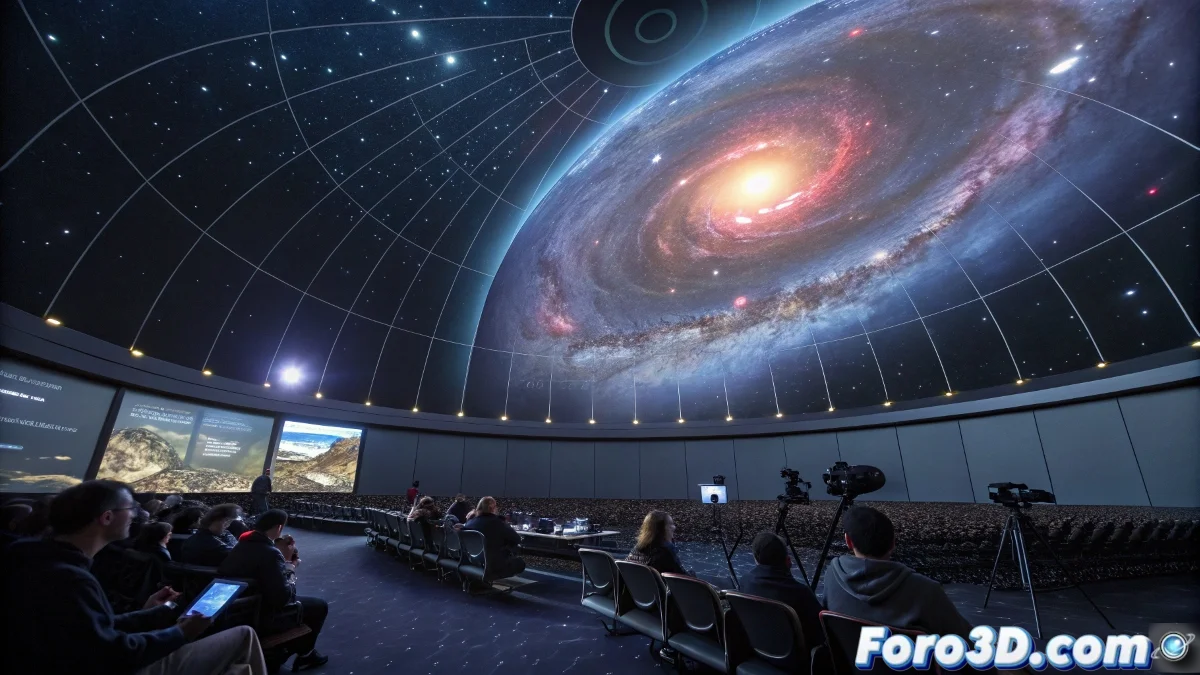
When the Universe Needs a Graphic Designer
The cosmos is that fascinating place where everything is incredibly spectacular... and completely invisible to the naked eye. Fortunately, there are digital artists who take scientific data and turn it into visualizations that allow anyone to understand how the universe works. Or at least pretend to understand it in front of their friends. 🌌
Translating Science into Images
Astrophysicists work with things like "light curves" and "electromagnetic spectra," which sound interesting but look like boring Excel sheets. This is where visualization wizards come in, transforming numbers into stunning simulations of black holes, nebulae, and colliding galaxies. It's like being a translator, but instead of languages, you turn equations into art.
"Our job is to make the invisible not only visible, but beautiful" - says some scientific designer who probably has awesome wallpapers.
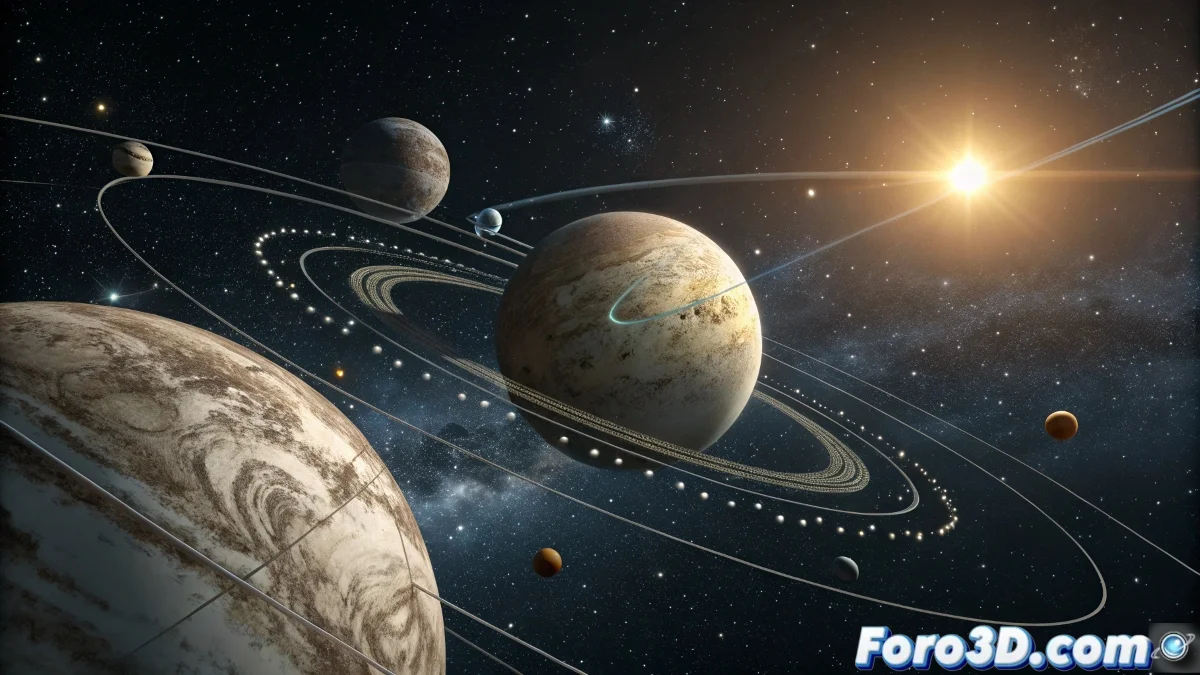
The Tools of the Space Trade
To create these visual wonders, artists use:
- Specialized software like OpenSpace and WorldWide Telescope
- Game engines like Unity and Unreal for interactive visualizations
- 3D packages to model everything from asteroids to supernovas
Where These Cosmic Creations End Up
These visualizations don't stay in labs. They reach:
- Planetariums and museums, where they make kids and adults say "wow!" simultaneously
- Documentaries you watch on Netflix while eating pizza at 2am
- Educational video games that are much more fun than science class
And the best part is that there's more and more demand for this work, because even the brightest scientists need help to make their research look as impressive as it really is. 🚀
The Future of Space Visualization
With advances in virtual and augmented reality, soon we won't just be able to see the universe, but feel like we're there. Imagine putting on a VR headset and floating near a black hole (without the risk of being spaghettified, of course). Though if you get dizzy on roller coaster simulators, maybe start with something calm like the surface of Mars.
So the next time you see an impressive space image, remember that behind it there's as much science as art. And probably a graphic designer who spent three weeks finding the perfect shade of blue for a nebula. Because in space, no one can hear you complain about client revisions. 😅