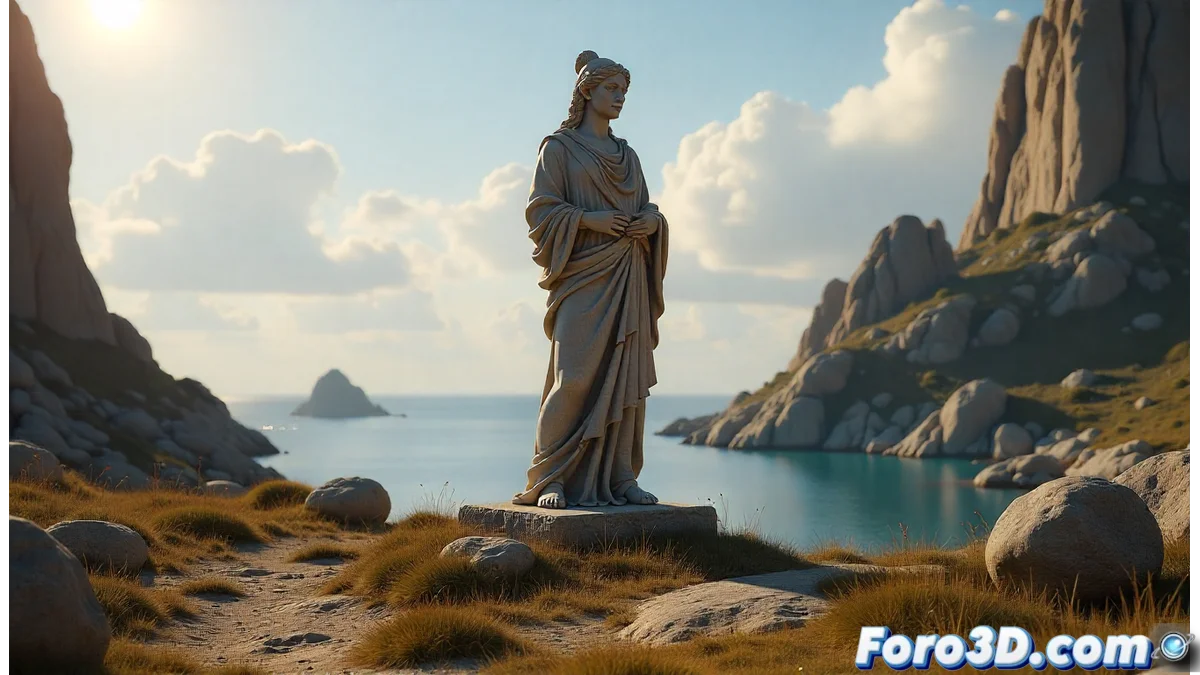
Scanbashing: the fusion between 3D scanning and digital artistic creation
Scanbashing represents a revolutionary methodology that integrates three-dimensional captures from the real world with conventional modeling and digital painting processes. This technique allows creators to use photogrammetric scans or 3D acquisitions of physical elements as a structural foundation for their works, directly incorporating these geometries and organic textures into their digital creative pipelines 🎨.
Benefits of the combined approach
The primary advantage of this approach lies in its ability to harmonize photographic accuracy with artistic inventiveness. Three-dimensional captures provide an authentic base upon which artists can develop, alter, and customize according to their creative visions. This system significantly optimizes production times, particularly in projects that demand multiple resources with high levels of detail. Additionally, it preserves the truthfulness of surfaces and morphologies while exploring compositions that would be unfeasible in physical reality ✨.
Main advantages of scanbashing:- Perfect fusion between technical precision and artistic expression
- Significant acceleration of digital production processes
- Preservation of authenticity in complex textures and shapes
Scanbashing democratizes digital realism, allowing artists to focus on creativity while technology captures the complexity of the real world.
Work methodology and professional uses
The conventional operational workflow begins with the acquisition of objects or environments using photogrammetry or specialized 3D scanners. This data is cleaned and processed in specific applications before being incorporated into programs like Blender, ZBrush, or Substance Painter. Creators then blend these scanned components with manually crafted geometry, implementing custom shaders and adjusting lighting to achieve visual cohesion. This technique finds application in conceptual illustration, video game development, and cinematic production, where the balance between authenticity and creative style is fundamental 🎬.
Main applications:- Conceptual illustration and concept art development
- Creation of assets for video games and interactive experiences
- Production of visual effects for film and television
Important technical considerations
Although scanbashing notably streamlines the creative process, it is essential to consider that expertise is still required to efficiently manage the massive volumes of scanned information that can saturate storage systems. The organization and optimization of these three-dimensional data becomes a crucial aspect for maintaining efficient and productive workflows 💾.