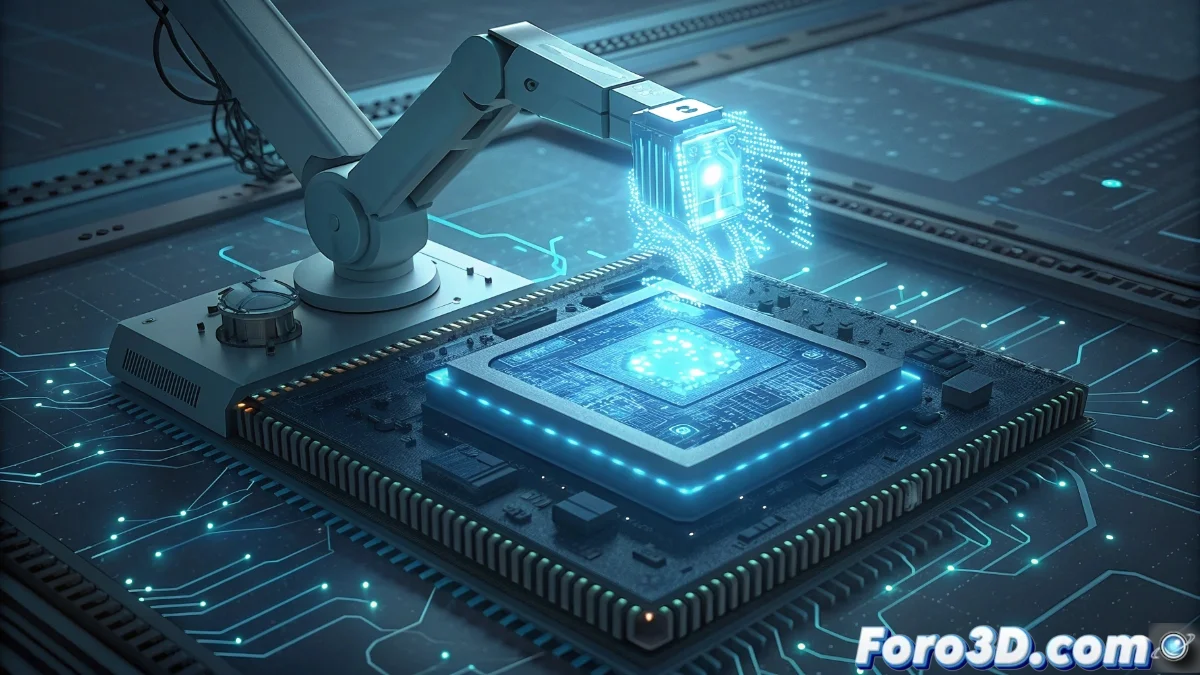
SBC for Artificial Intelligence: Evolution and Practical Applications
SBCs oriented towards artificial intelligence represent a significant advancement over conventional single-board computers, incorporating specialized hardware that enhances their computing capacity for machine learning tasks. While classic devices like Raspberry Pi are dedicated to general functions, these new boards integrate units such as NPU, GPU, or TPU, specifically optimized for intensive neural algorithm workloads. This evolution allows for the efficient execution of complex neural networks while maintaining the compact format and low power consumption typical of SBCs. 🤖
Applications in Real-World Environments and Use Cases
These devices excel in scenarios where local and real-time processing is essential, eliminating the need for constant cloud connectivity. In the field of computer vision, they are used for facial recognition and object detection systems in surveillance or industrial automation. Autonomous robotics leverages their speed to process sensory data and make instant decisions, while in edge computing, they enable the analysis of large amounts of information directly at the source. Additionally, speech recognition and natural language processing see notable improvements thanks to specialized hardware acceleration. 💡
Main practical applications:- Implementation of surveillance systems with real-time object detection and facial recognition
- Autonomous robotics for quick decision-making based on sensory data
- Analysis of large volumes of data in edge computing devices without cloud dependency
These small devices can perform tasks that previously required full servers, although sometimes they make us doubt their intelligence when they confuse a cat with a bowl of cereal.
Key Advantages and Considerations
The main advantage of these boards lies in their balance between energy efficiency and computing power, far surpassing traditional SBCs in AI tasks without reaching the consumption of desktop systems. This makes them ideal for industrial IoT projects, smart embedded devices, and applications where space and autonomy are crucial. However, their specialization comes with limitations in software compatibility and a learning curve, requiring knowledge of machine learning frameworks and model optimization to fully leverage their potential. ⚙️
Aspects to consider:- High performance in specific AI tasks with low energy consumption compared to desktop systems
- Suitability for environments with space and autonomy constraints, such as industrial IoT and embedded devices
- Need for training in ML frameworks and optimization techniques to overcome compatibility limitations
Final Reflections on the Impact of SBCs in AI
SBCs specialized in artificial intelligence represent a qualitative leap in local processing, enabling the efficient and accessible execution of complex algorithms. Their application in computer vision, robotics, and edge computing demonstrates their versatility, although they require technical knowledge to overcome software challenges. These devices not only transform IoT and automation projects but also invite us to reflect on the limits of artificial intelligence in everyday life. 🌟