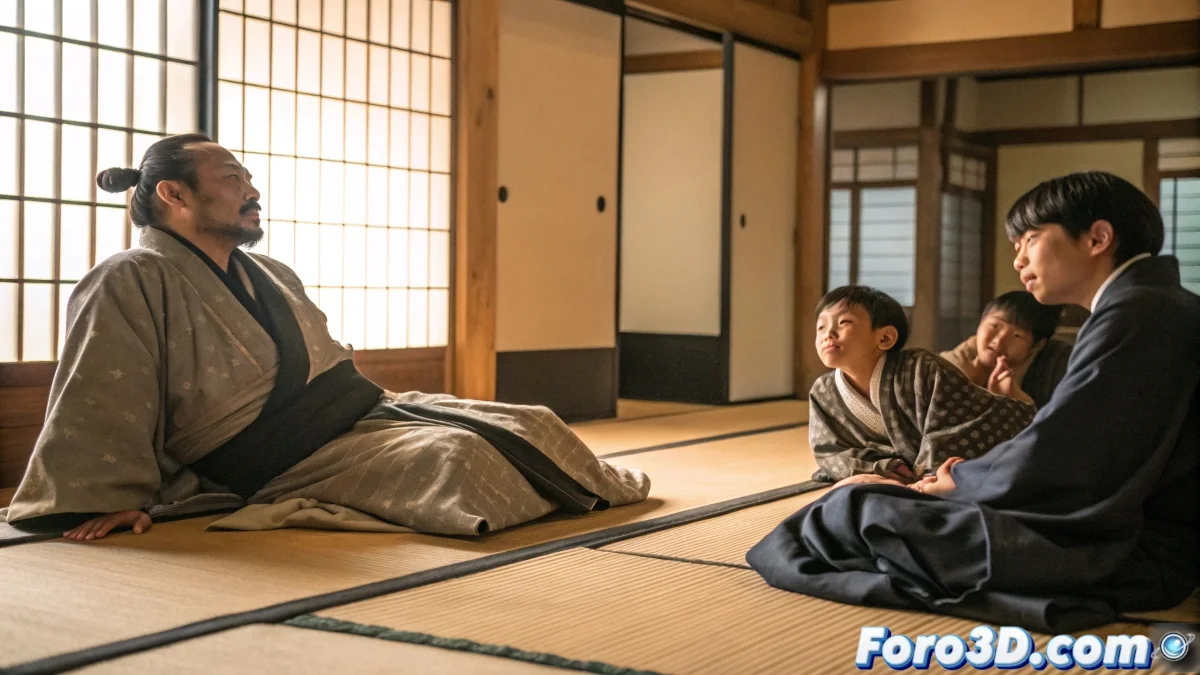
When the Antihero Surpassed the Hero: Sanjuro According to Kurosawa
In 1962, Akira Kurosawa did the unthinkable: he created a sequel that surpassed the original 🎬. Sanjuro takes the disheveled ronin from Yojimbo and immerses him in a conflict between samurai clans, where his moral compass is more important than his katana. The result is a masterpiece that blends dry humor with poetic violence, proving that a memorable character needs more than skills - it needs contradictions 🥋.
"Kurosawa turns every shot into a lesson in visual composition, where even empty space speaks," explains a film critic.
From the Sword to Ethics: Sanjuro's Evolution
While in Yojimbo the protagonist was a walking mystery, here we see:
- A Questioned Hero: The samurai look at him with distrust
- Complex Morality: He acts for justice, not for glory
- Constant Irony: He complains about having to do good
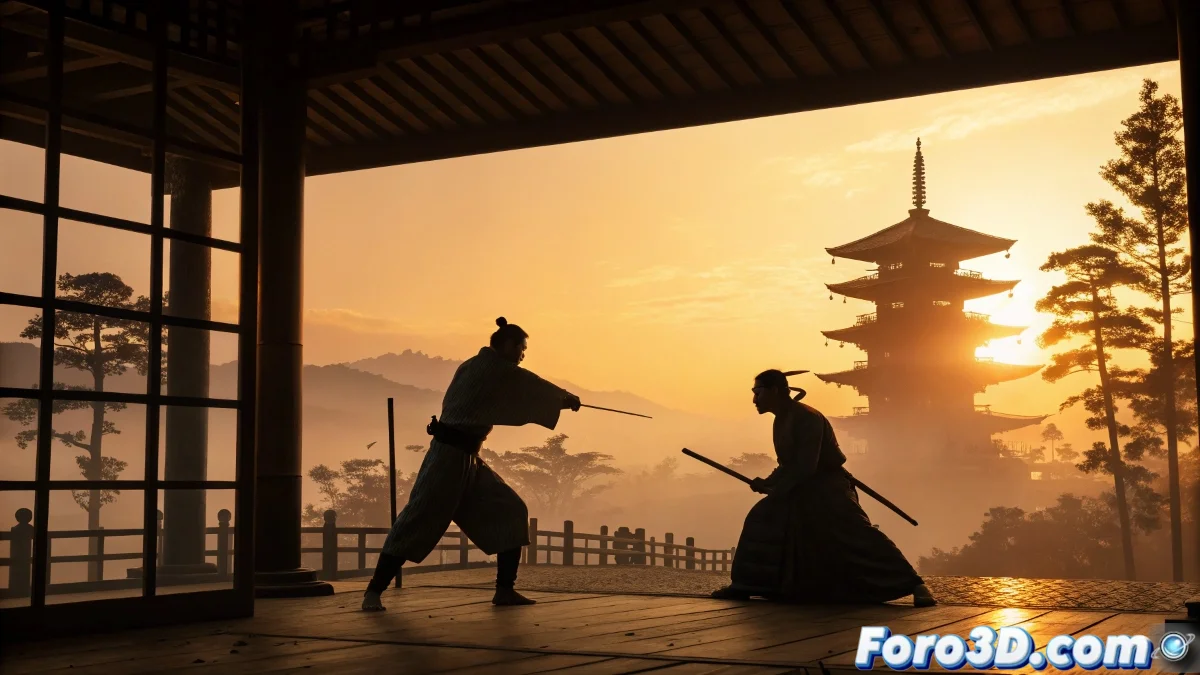
Visual Lessons for 3D Artists
For Foro3D creators, this movie offers a treasure trove of techniques:
- Millimetric Composition: Blocks of samurai as graphic elements
- Time Management: Pauses that generate dramatic tension
- The Famous Final Shot: Blood spurts that would require fluid simulation in Blender
The final duel scene, with its chromatic explosion of blood, not only inspired Star Wars, but remains a technical challenge for any 3D artist. How to recreate that visual impact without falling into the grotesque? Kurosawa achieved it with a single static shot - proof that less can be more 🩸.
The Legacy of the Samurai Who Didn't Want to Be a Hero
Sanjuro teaches us that truly memorable characters have layers of contradiction. As 3D modelers well know: you can have the best rig and the most detailed textures, but without internal conflict, your creation will be as empty as a dojo without students. So the next time you design a warrior, remember: what's important is not how sharp the sword is, but how heavy the burden he carries on his shoulders... even if he complains all the way 😉.