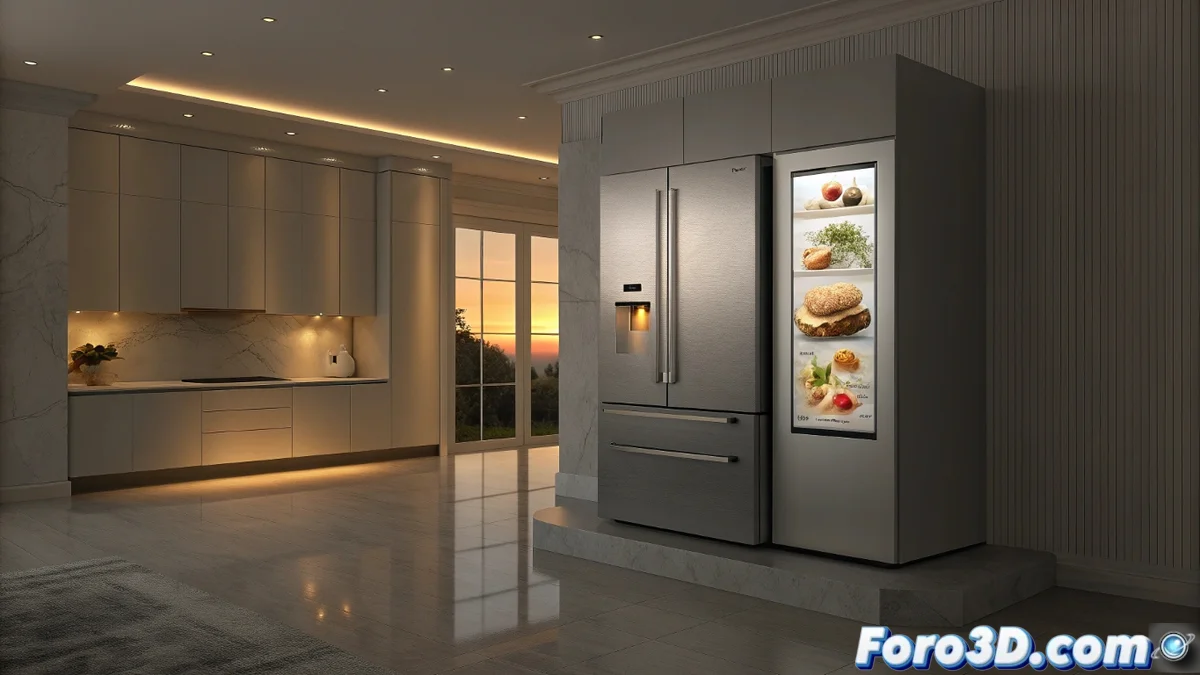
Samsung Allows Disabling Ads on Premium Refrigerators After Complaints
In a significant shift in its policy, Samsung has responded to customer pressure and now enables the disabling of advertising on the screens of its most sophisticated refrigerator models. This measure comes after numerous owners expressed their frustration and discomfort at finding unsolicited advertising on a luxury household device for which they had already paid a substantial amount of money. The solution is being implemented through software updates for the affected models. 🧊
The Controversy of Connected Home Devices
The incident with Samsung refrigerators is not an isolated case, but a symptom of a worrisome trend in the ecosystem of smart appliances. Many manufacturers see these integrated screens as a new source of revenue through advertising or promotion of associated services, often without initially providing a clear option to reject them. This creates a direct conflict with consumer expectations, who believe that their personal space and a already purchased product should not become an invasive marketing channel.
Key Points of the Controversy:- Premium Models with Advertising: Users who invested in high-end technology found themselves with ads for products like frozen pizzas when using their appliance.
- Initial Lack of Transparency: The option to reject advertising was not available or was hard to find when these products were launched.
- Precedent for the Industry: Samsung's reaction could force other brands to reevaluate their monetization strategies in home devices.
It's ironic to pay a small fortune for a touch-screen refrigerator and have the first 'premium content' you receive be an ad right when you open the door to cook.
An Essential Step to Restore Trust
The addition of a setting to disable ads, although late, stands as a fundamental change to improve the user experience. It is anticipated that this setting will be accessible from the refrigerator screen's main menus, probably within the privacy or customization sections. This move not only seeks to appease current customers but also establishes an important standard regarding the control that the buyer should have over the interface of their own devices. It is crucial to highlight that useful smart features, such as inventory management or access to recipes, remain fully operational, clearly differentiating value-added tools from intrusive advertising.
Impact and Expectations After the Change:- Access to Settings: Users will be able to manage their privacy directly from the appliance screen, empowering them.
- Pressure on Competitors: Other brands following similar practices may be forced to offer disable options to not fall behind.
- Separation of Concepts: It reinforces the idea that "smart" utility and advertising monetization must be separate and user-controllable options.
Final Reflection on Home Technology
This episode serves as a crucial reminder for the technology industry: consumer trust is a fragile asset. The integration of screens and connectivity in appliances promises convenience and efficiency, but its value erodes quickly when perceived as an excuse to monetize user attention constantly. Samsung's decision, driven by direct customer feedback, marks a path forward where personalization and respect must take precedence over intrusive revenue models. The future of smart home automation must be built on a foundation of transparency and owner control. 🤖