The union that multiplies capabilities
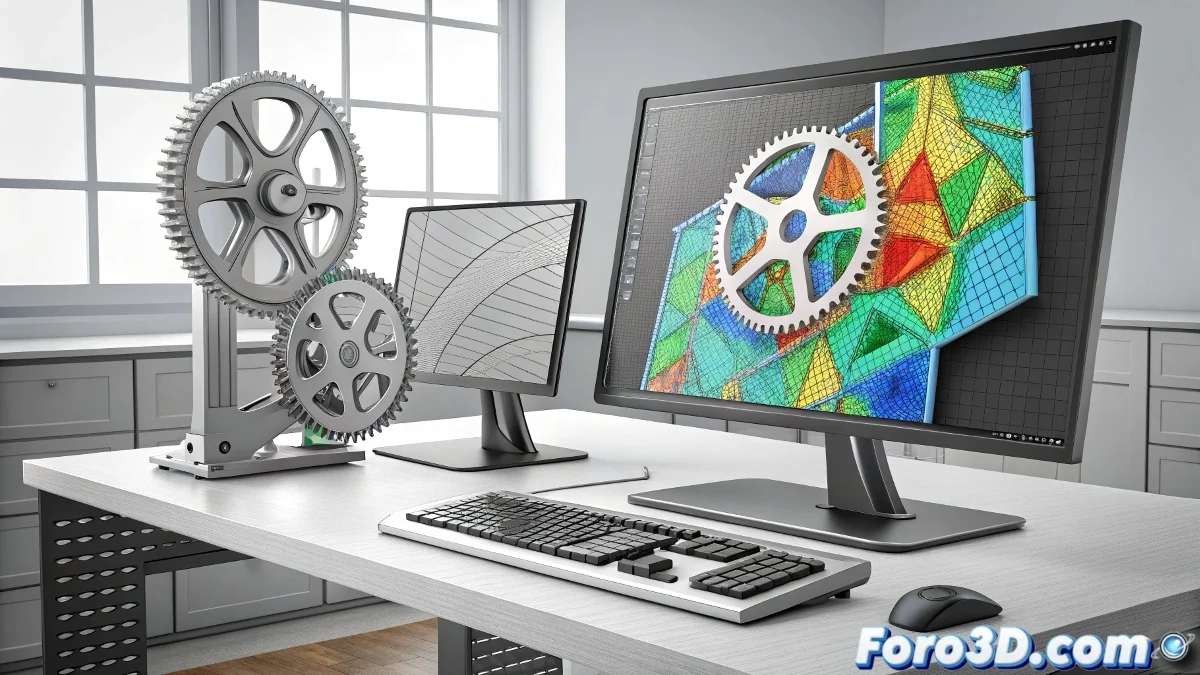
In the universe of finite element simulation, Salome-Meca represents that perfect marriage where two tools complement each other to create something greater than the sum of its parts. This platform integrates the pre and post-processing environment Salome with the calculation solver Code_Aster, forming a complete ecosystem for mechanical analysis. What began as a project by the French group EDF is today a reference in open-source simulation.
The magic of Salome-Meca lies in its ability to guide the user through the entire simulation workflow. From importing or creating geometry, through mesh generation, material properties definition and boundary conditions, to advanced results visualization. All within a coherent environment that eliminates the need to switch between different programs.
Main components of the platform
- Geometry module for CAD model creation and repair
- Mesh generator with automatic and manual algorithms
- Definition environment for calculation cases and properties
- Advanced results viewer with multiple options
Integrated workflow
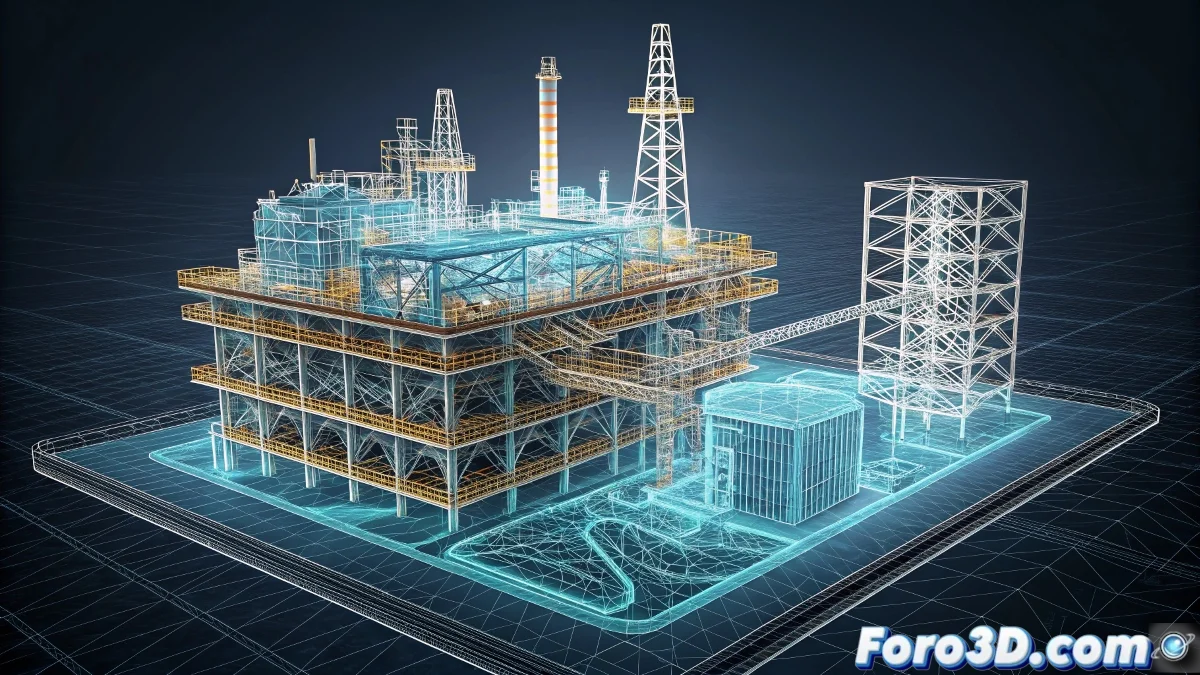
The typical process in Salome-Meca follows an intuitive logic that replicates engineering thinking. It begins with geometry preparation, where it is possible to import from multiple formats or create models from scratch. The meshing stage offers control over element density and type, crucial for the accuracy of subsequent calculations. The analysis case definition allows specifying materials, loads, and constraints visually.
The native integration between preprocessor and solver eliminates compatibility issues
Once the calculation is launched, Code_Aster processes the data and generates results that can be viewed immediately in the same environment. Post-processing capabilities include everything from stress and displacement maps to deformed animations and time evolution graphs. The platform maintains consistency in units and reference systems throughout the entire process.
Real industrial applications
- Stress analysis in mechanical components under load
- Thermal simulations and coupled thermomechanical analysis
- Fatigue studies and structural life assessment
- Modal analysis and advanced structural dynamics
For those coming from commercial solutions, adapting to Salome-Meca requires a certain adjustment period, but the underlying logic is familiar to experienced engineers. The extensive documentation and available tutorials significantly shorten the learning curve. The active community around the project provides additional support and shares specific knowledge.
Those who still pay expensive licenses for mechanical simulation might want to take a look at what Salome-Meca has to offer 😉
You can learn more about the topic: here