Boats of the Future: When 3D Printing Gets Wet 🌊
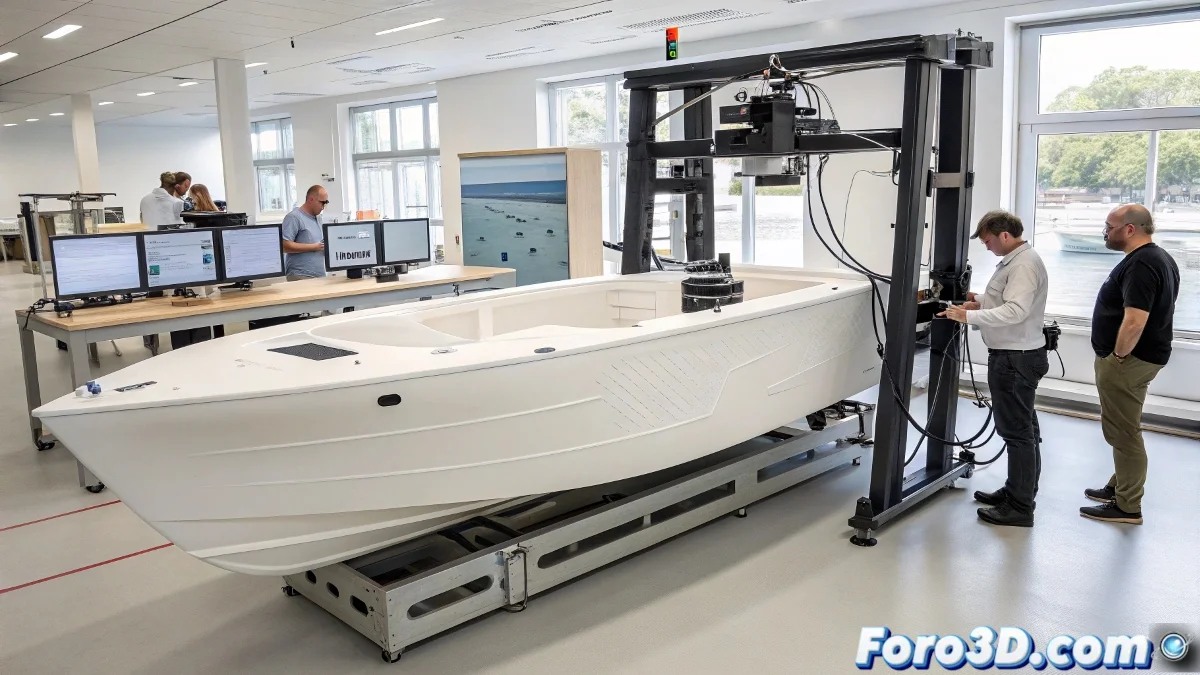
If someone says a boat can be printed like an office document, it sounds like a joke. But in the Netherlands, two companies decided that the naval future isn't in shipyards full of hammering, but in a giant 3D printer. Using recycled plastic (yes, the kind from bottles you forgot in the yellow container), they are creating vessels that defy convention.
"A plastic boat? It won't sink, but does it actually float?" — asked some skeptic before seeing the results.
Advantages of Sailing on Recycled Plastic
HDPE isn't just that material you use to store your leftovers. In the hands of engineers, it becomes a lightweight, resistant ally, and best of all, a friend of the planet. Here are three reasons why this material is the star:
- It weighs less than a captain's sigh.
- It withstands more hits than a trash can in a harbor.
- It gets recycled more times than a bad pirate joke.
Furthermore, 3D printing allows for creating internal structures that previously required as much work as convincing a sailor to wear a life jacket. 🚢
The Technological Dream Team
CEAD brings the magic of large-scale 3D printing, while Damen contributes with centuries of naval experience (well, almost). Together they have created HDPro, a material that sounds like the next pop superstar but is actually enhanced recycled plastic.
The process is as fascinating as watching a plant grow, but much faster: layer by layer, the boat takes shape, while designers adjust details like chefs perfecting a recipe. 🍳
What Are These Futuristic Boats Like?
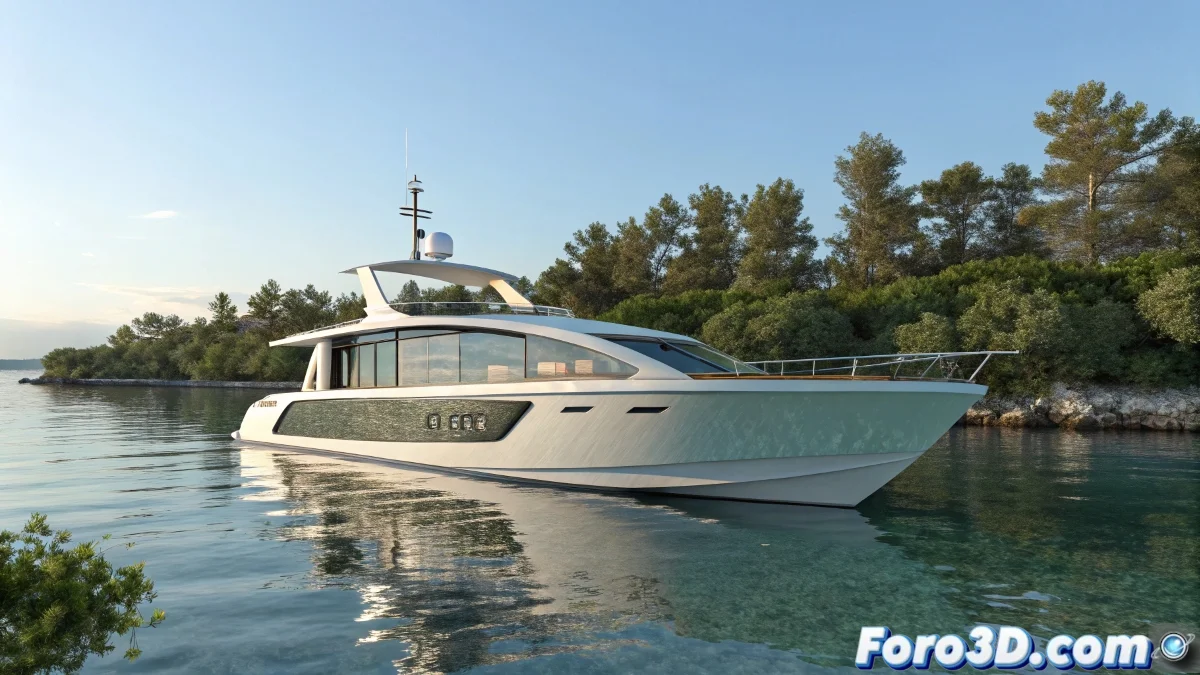
Forget straight lines and boring designs. These boats have curves that would make a luxury yacht blush. 3D printing allows for:
- Integrating personalized compartments
- Creating cable channels without breaking anything
- Designing aerodynamic shapes that would make traditional boats cry
And all this without the typical workshop full of metal shavings and grumpy workers. 🤖
The Future is Here (and It Floats)
This technology isn't just an engineer's whim. It represents a radical change in how we build things that go in the water:
- Less waste in production
- Custom designs without astronomical costs
- Possibility of using recycled materials
- Reduced manufacturing time
So next time you see a plastic bottle floating in the sea, think that it could be part of a boat... instead of being part of the problem. The irony of modern life never ceases to amaze. 😉
And remember: if your toy boat didn't float, maybe it wasn't 3D printed... or because it was missing aluminum foil sails. ⛵