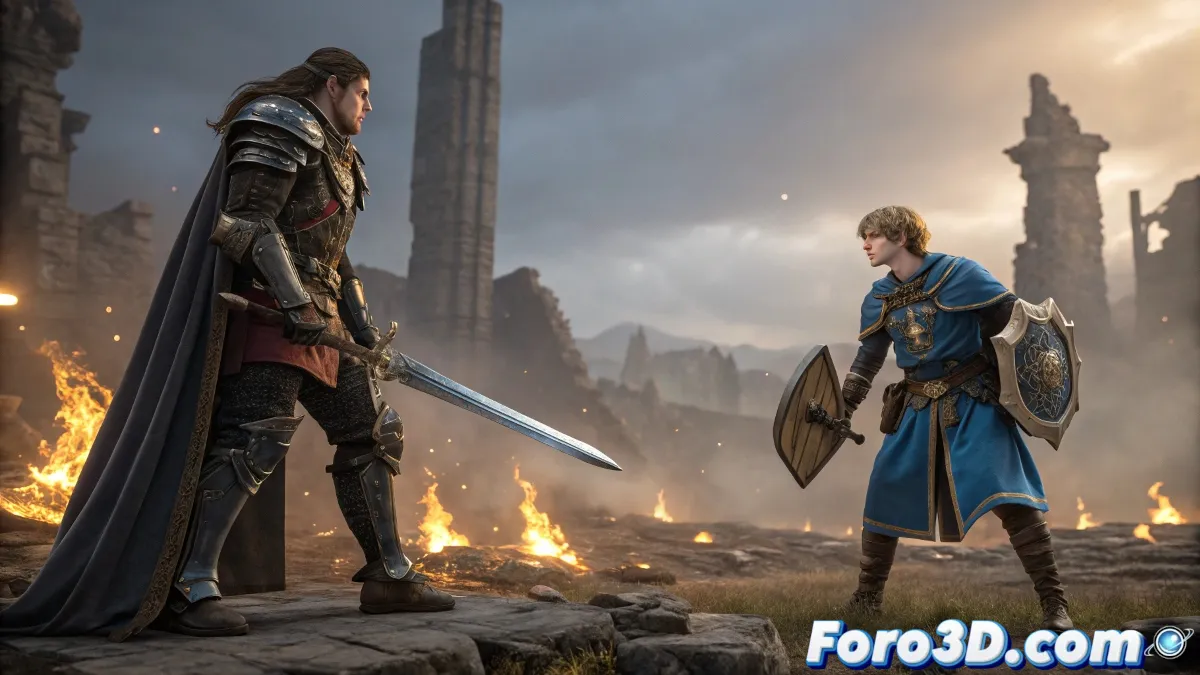
Two Narrative Paths in a Classic JRPG
In the universe of Japanese role-playing games, SaGa Frontier 2 stands out for its innovative narrative structure. From the start, players face a crucial decision that will define their experience: follow the epic of a fallen prince or the adventures of a young explorer. This duality not only offers replayability, but complementary perspectives of the same fantasy world.
The Realistic Tragedy of a Magicless Heir
Gustave XIII's route presents a narrative uncommon in the genre, unfolding over several decades. The character, stripped of his lineage for lacking magical abilities, embarks on a journey of redemption marked by:
- Large-scale political conflicts
- Strategic battles with emphasis on physical combat
- A progression system linked to historical events
"Gustave represents the rarity of a protagonist who ages and evolves visibly, something unusual in JRPGs of the time"
The Magic of Discovering a World to Explore
In complete contrast, Wil Knights' story offers a more traditional but equally innovative experience. As a young adventurer, his path focuses on:
- Progressive and customizable magic systems
- Exploration and discovery mechanics
- Frequent combats that allow skill development
Initial Choice with Lasting Consequences
The decision between both protagonists is not merely aesthetic. Each route offers:
- Diametrically opposed combat styles
- Different narrative approaches (political vs personal)
- Character progression through different systems
- Revelations that complement each other when playing both stories
For new players, Gustave's route provides the best historical context, while Wil's is more mechanically accessible. However, the game's true depth is only appreciated by experiencing both perspectives, demonstrating why this title remains remembered as an experimental gem of the genre.