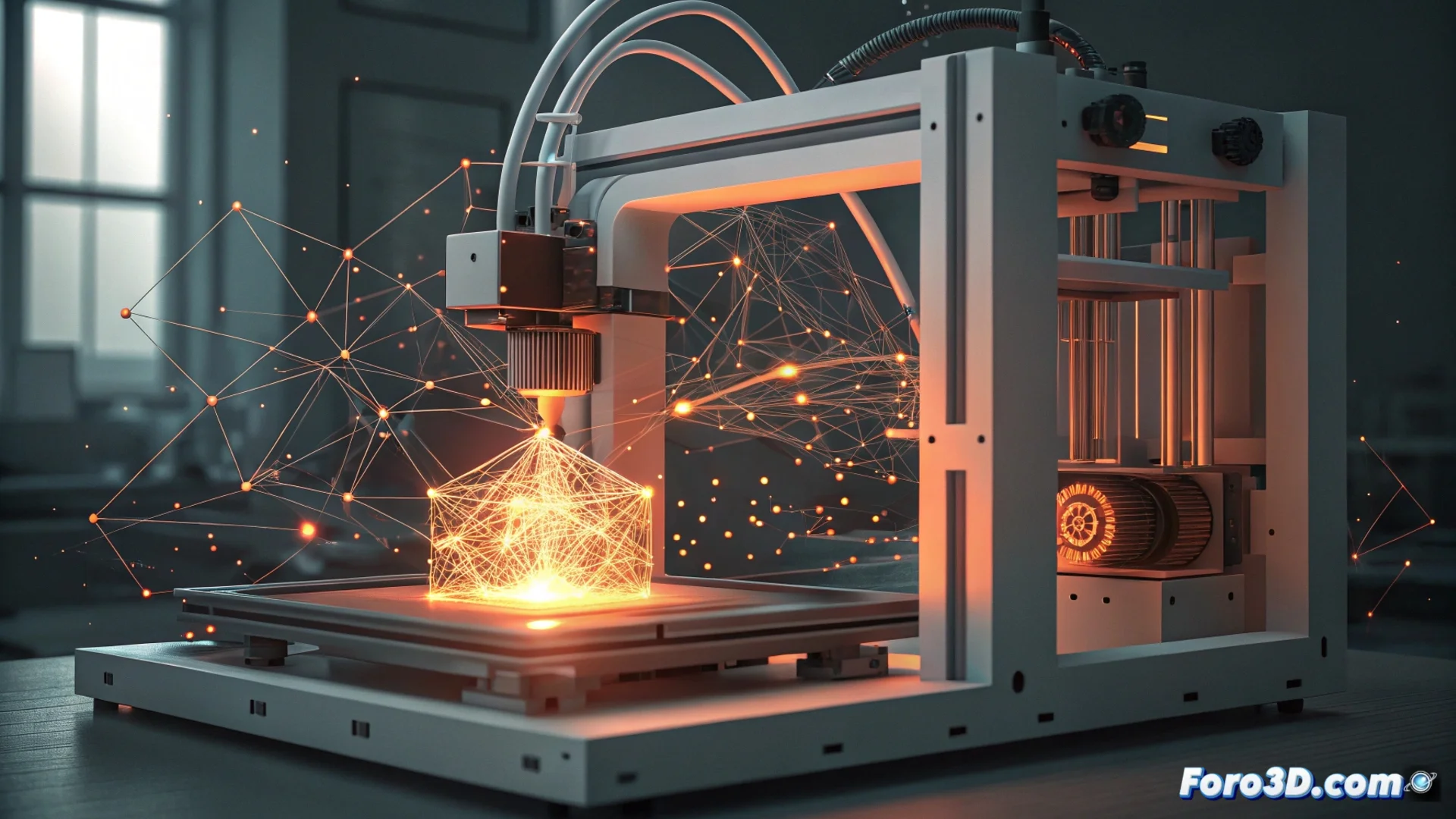
Rutgers Researchers Create AI System for Additive Manufacturing
Reliability in additive manufacturing takes a leap forward with a new development from Rutgers University. A team of scientists has designed an artificial intelligence system that aims to transform how the 3D printing process is monitored and controlled, making it faster and less prone to errors. 🚀
A Digital Watchman for Every Layer
The technology fuses computer vision with machine learning to create a real-time supervisor. During printing, high-speed cameras capture detailed images of the extruder head and the part under construction. A pre-trained AI model, using data from successful prints, processes these images instantly to detect discrepancies.
The system operates in three key phases:- Continuous Visual Analysis: Compares filament flow and layer adhesion with a reference pattern.
- Proactive Detection: Identifies irregularities such as under-extrusion, warping, or first-layer errors before they ruin the job.
- Automatic Response: Can pause the print or adjust parameters like speed and temperature to correct the course.
This approach not only reacts to failures; it actively tries to prevent them, changing the paradigm of quality control in 3D printing.
Impact Beyond Prototyping
The application of this system extends from research labs to industrial production lines. By making the process more predictable and consistent, it increases confidence in using additive manufacturing for end-use components in critical sectors.
Direct Application Areas:- Aerospace and Medical Industries: Where fault tolerance is minimal and repeatability is crucial.
- Materials Research: Facilitates testing new filaments or resins, as the system helps understand their behavior under different printing conditions.
- Factory Automation: Represents a solid step toward more autonomous additive manufacturing workshops that require less human supervision.
The Future of Machine-Operator Dialogue
This innovation sets the stage for a scenario where responsibility for a failed print can be analyzed with objective data. The system logs every algorithm decision and every process variable, allowing discernment of whether an error originated in the design, machine setup, or an erroneous AI interpretation. The ultimate goal is to eliminate uncertainty and drastically reduce the time and material lost on reprinting defective parts. 🔧