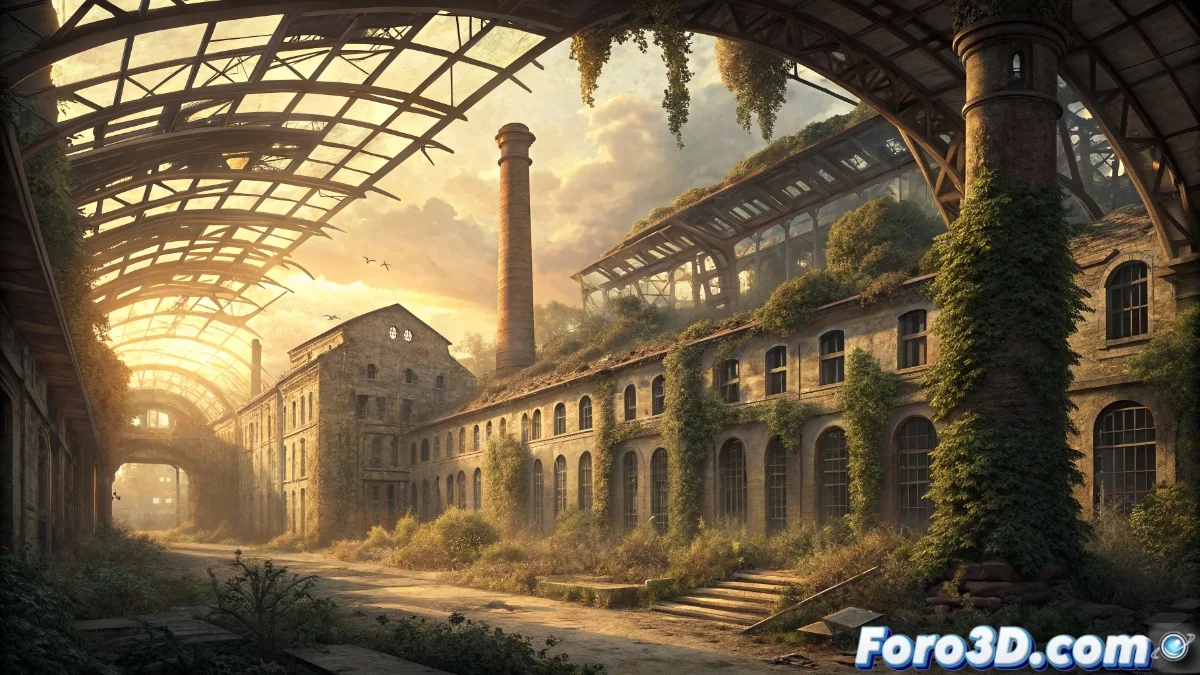
The Royal Woolen Factory of Brihuega: 18th-Century Industrial Architecture
In the heart of the province of Guadalajara stands this historic monument that encapsulates the greatness of the textile industry during the Spanish Enlightenment. Founded in the 18th century, this royal factory represented one of the most ambitious industrial projects of its time, designed to compete with Europe's most advanced manufactures 🏭.
Circular Architectural Innovation
The circular layout of the complex constitutes an exceptional constructive solution that allowed organizing the looms and machinery around a central courtyard. This revolutionary design facilitated production supervision and optimized every stage of the textile process, reflecting the efficiency ideals that characterized Enlightenment thinking.
Highlighted Architectural Elements:- Walls built with high-quality ashlar and brick
- Barrel vaults covering the main naves
- Monumental industrial chimneys dominating the skyline
A visionary design where the circular form served the productive function, creating a rational and efficient workspace
Current State of Conservation
The industrial complex today presents a fascinating duality between restored spaces and areas that retain their original deterioration. While some sections have been rehabilitated for cultural activities, others maintain collapsed roofs and damaged structures that reveal the passage of time.
Characteristics of the Current State:- Consolidated areas hosting events and exhibitions
- Sectors in semi-ruin with collapsed arches and invasive vegetation
- Melancholic atmosphere evoking industrial decline
Paradoxes of the Present
It is particularly significant that a space conceived for the constant movement of looms and workers now finds its main activity in industrial ruins tourism. Visitors who tour its facilities weave new narrative threads among walls that once resounded with the rhythm of textile production, creating an experience that deeply connects past and present 📸.