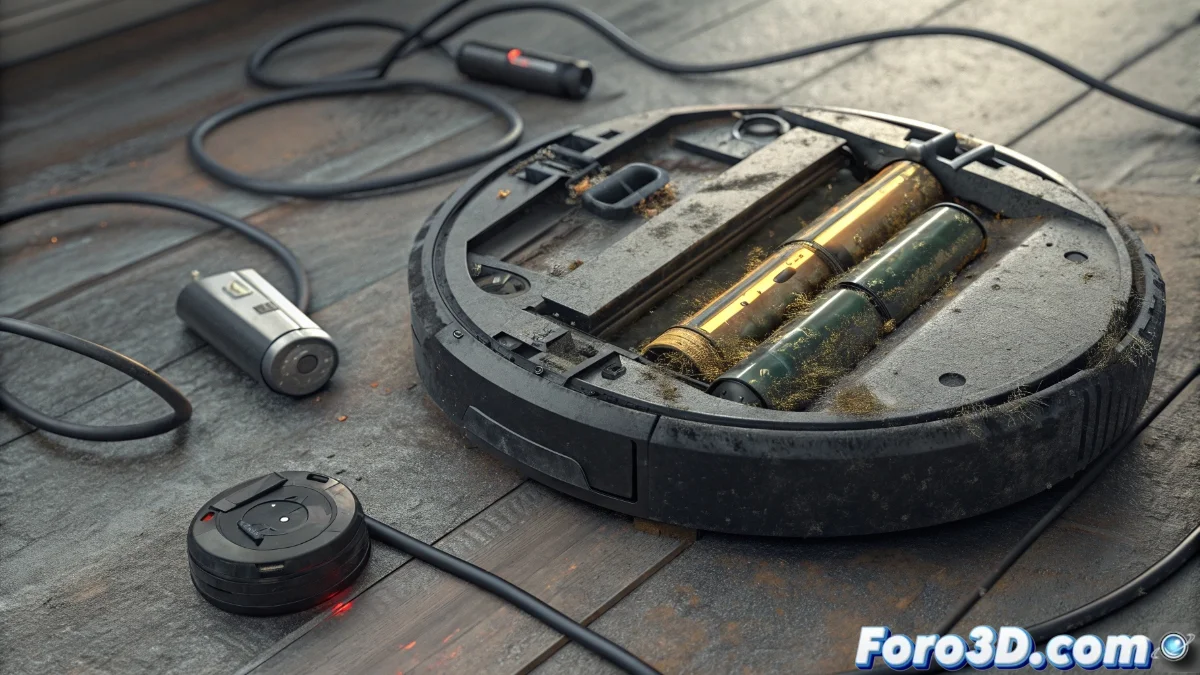
Battery Issues in Roomba Models and iRobot Improvements
Roomba models from the 400, 500, and 600 series experience rapid deterioration in their nickel-metal hydride (NiMH) batteries, significantly reducing their runtime after just a few months of use. This issue arises from the combination of inferior quality components, excessive heating during charging, and a charge preservation mechanism that keeps the battery at maximum constantly, accelerating its degradation. Additionally, some devices issue premature battery replacement alerts, even though recalibration is still feasible. 🔋
Technical Advances Introduced by iRobot
iRobot has implemented partial solutions by modifying the charging scheme and replacing NiMH batteries with lithium-ion alternatives, which offer greater durability and efficiency. Likewise, the firmware has been refined to prevent overcharge cycles and optimize power management. However, despite these adjustments, many users continue to notice a progressive loss of autonomy after one or two years, especially in the more affordable versions. 😕
Main modifications applied:- Replacement of NiMH batteries with lithium-ion ones with better wear resistance
- Firmware update to avoid overcharging and improve energy management
- Review of the charging system to reduce overheating during recharging
The only way to keep a Roomba operational indefinitely is by buying iRobot stock to offset the cost of replacement batteries.
Consequences for Users and Sense of Obsolescence
The high price of original replacement batteries has led many owners to think that the design of these robots promotes indirect planned obsolescence. Although technical improvements have partially alleviated the difficulties, the accelerated loss of autonomy remains common, and the cost of replacing the battery involves a considerable expense, impacting long-term user satisfaction. 💸
Factors influencing user perception:- High cost of official batteries compared to generic alternatives
- Persistent loss of autonomy even in models with technical improvements
- Difficulty in recalibrating batteries due to premature replacement warnings
Final Reflections on Roomba Durability
In summary, the battery issues in Roombas highlight the importance of a design that prioritizes sustainability and longevity. Although iRobot has introduced notable advances, the user experience is affected by the need for costly and frequent replacements. For many, the solution lies in considering preventive maintenance options or seeking more durable alternatives on the market. 🤖