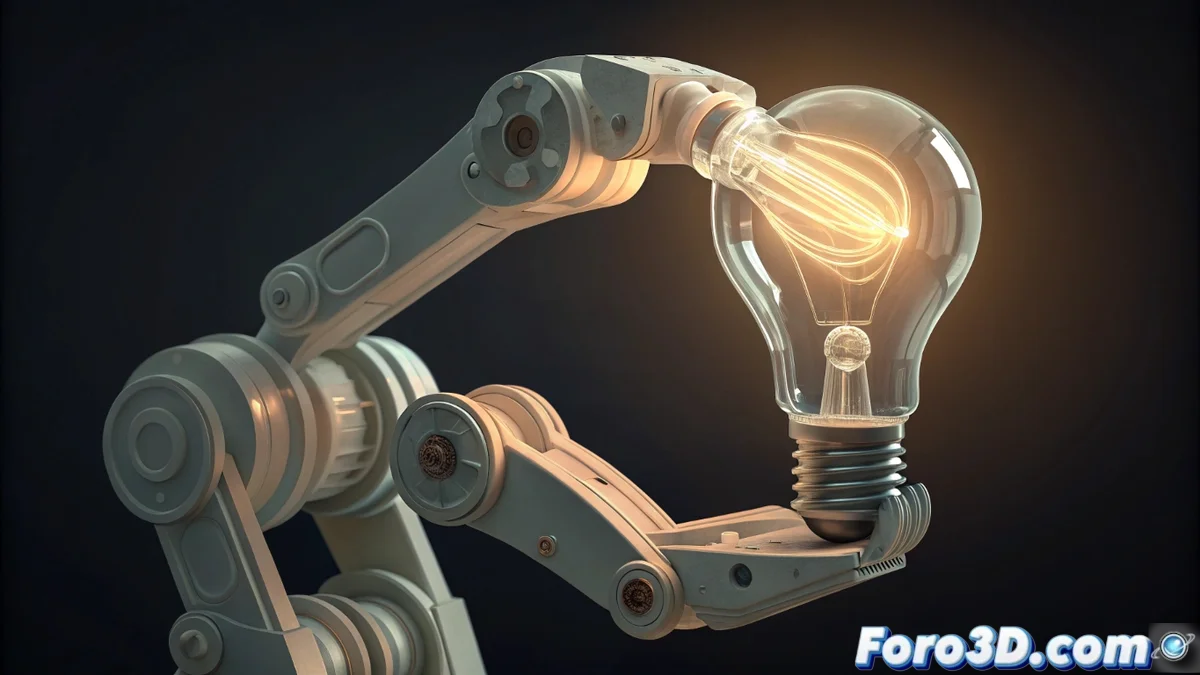
Soft Robots Imitate Nature to Operate in Complex Environments
A new paradigm in engineering prioritizes flexibility over rigidity. Soft robots built with silicone and elastic polymers copy how certain animals move, allowing them to access areas where traditional robots fail. Their main advantage is manipulating fragile elements without breaking them. 🐙
Programmable Materials that Generate Movement
The secret lies in elastomers and compounds that respond to external stimuli. By applying pressurized air or an electric field, these materials deform in a controlled manner. Engineers implement networks of internal channels through which the actuator flows, causing the structure to bend, stretch, or contract to generate locomotion.
Main Actuation Methods:- Pneumatics: Use compressed air to inflate chambers and produce movement.
- Hydraulics: Employ incompressible fluids to achieve greater forces.
- Stimuli Response: Materials that react to heat, light, or magnetic fields.
After decades trying to keep robots from crushing us, now we make them so soft that the biggest danger is that they melt if it's sunny.
High-Impact Application Fields
This technology transforms sectors where delicacy and adaptability are crucial. In medicine, they can navigate blood vessels or tissues with minimal risk. They are also being tested for inspecting collapsed infrastructures or in search and rescue missions among rubble, where their shape changes to pass through cracks.
Ideal Environments for Soft Robots:- Safe Human Interaction: Work alongside people without causing harm.
- Confined Spaces: Access pipes, cavities, or narrow ducts.
- Manipulation of Delicate Objects: Grasp fruit, electronic components, or biological tissues.
The Future of Robotics is Flexible
Developing soft robots not only means creating safer machines, but also more versatile and effective ones in specific tasks. By imitating nature, they overcome limitations of rigid designs. The current challenge is to optimize their autonomy and strength, but the path is set toward a more harmonious integration between machines, environments, and people. 🤖