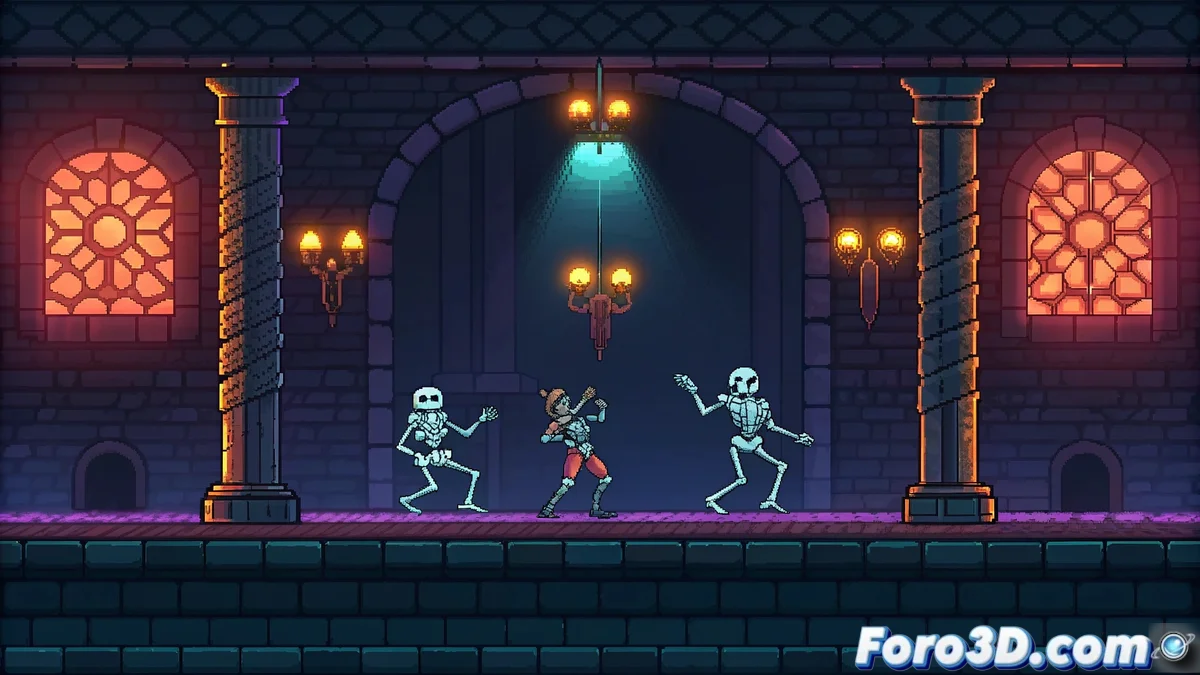
Rift of the NecroDancer: a visual and technical analysis
The title combines pixel art graphics with a vibrant retro aesthetic, maintaining the essence of the saga while introducing artistic innovations and new characters. The fluid animations and rhythmic effects synchronize perfectly with the gameplay, creating an immersive experience that respects the franchise's origins 🎮.
Graphics engine and development tools
Although there is no official confirmation, it is speculated that custom 2D engines such as Unity or GameMaker Studio are used, specifically adapted for pixel art. The developers have optimized these tools to ensure smooth performance, crucial for the game's fast-paced rhythms.
Highlighted technical features:- Engines possibly based on specialized frameworks for 2D graphics
- Optimization for high visual quality without compromising performance
- Customization of tools to achieve music-synchronized animations
Players often wonder if the developers spent more time synchronizing pixels than composing the soundtrack, given the impeccable coordination between art and audio.
Visual integration and gameplay
The vibrant aesthetic and fluid animations not only beautify the game but also reinforce the rhythmic mechanics. Each visual effect is carefully coordinated with the music, helping players keep the beat while exploring new mechanics and characters.
Key elements of the experience:- Rhythmic effects that guide gameplay and enhance immersion
- Functional art that directly contributes to gameplay
- Balance between innovation and preservation of the classic essence
Conclusion
Rift of the NecroDancer demonstrates how visual evolution can enrich a franchise without losing its identity. The perfect synchronization between art, music, and gameplay creates a cohesive experience that delights both traditional fans and new players ✨.