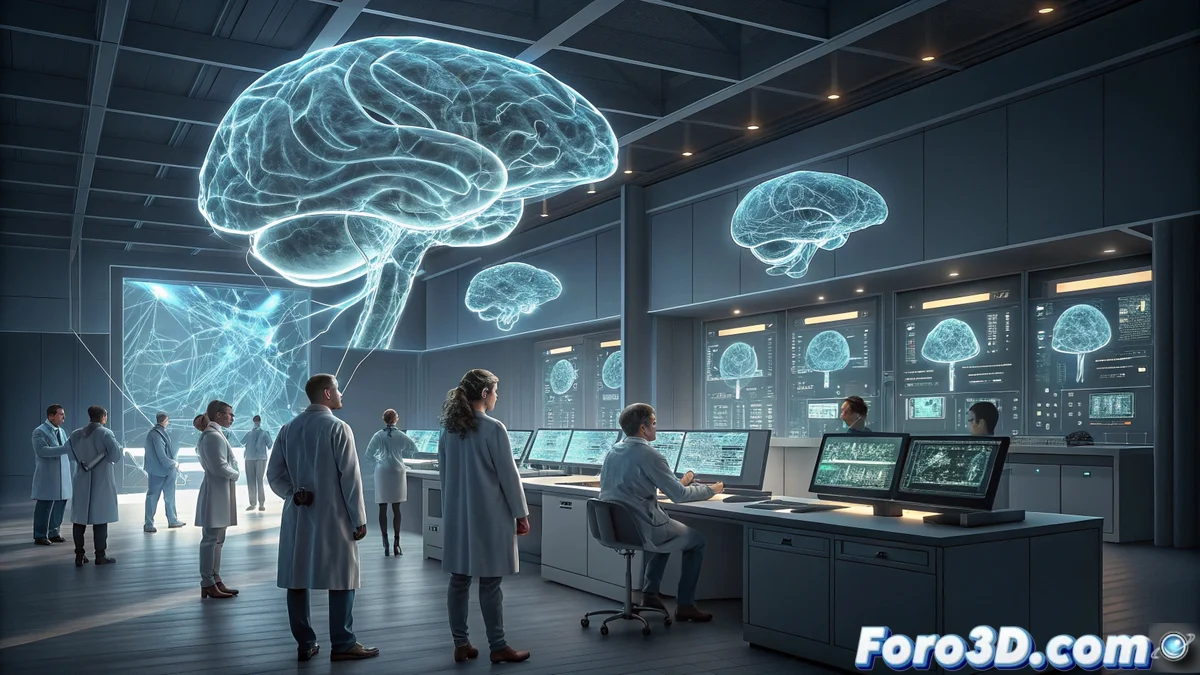
Rice University inaugurates multidisciplinary brain institute
The Rice University has officially unveiled the Rice Brain Institute, a cutting-edge center that fuses diverse fields of knowledge to unravel the mysteries of the human brain. This pioneering initiative brings together leading researchers from engineering, neuroscience, psychology, and computer science, establishing a collaborative ecosystem where traditionally separate disciplines converge. The institute serves as a cooperative hub where experts design innovative technologies and sophisticated theoretical models to understand neurological disorders and optimize brain health throughout the life cycle 🧠.
Disciplinary integration for neurological challenges
The center's interdisciplinary approach enables tackling brain problems from complementary perspectives, where engineers create brain-computer interfaces while neuroscientists investigate cellular mechanisms and psychologists examine behavioral correlations. This methodological synergy accelerates the identification of biomarkers for pathologies such as Alzheimer's and Parkinson's, while also driving the design of personalized therapies. The laboratories are equipped with state-of-the-art technology that incorporates advanced neuroimaging systems, high-performance computing platforms, and real-time neuronal monitoring devices.
Main technological capabilities:- Brain imaging systems with nanometric resolution to visualize neuronal structures
- Massive computational platforms for processing complex neurological data
- Wearable neural monitoring devices with real-time transmission
The convergence of disciplines exponentially accelerates our understanding of the human brain and its most complex diseases
Academic training and clinical applications
Beyond fundamental research, the institute implements training programs that prepare the next generation of neuroscientists in integrated computational and experimental techniques. Graduate students and medical professionals participate in cross-disciplinary projects that combine big data analysis with predictive models of pathological progression. These educational initiatives aim to connect basic research with clinical applications, transforming scientific findings into early detection protocols and neuronal protection strategies that could be implemented in healthcare systems in the coming years.
Key educational components:- Graduate programs focused on computational neurotechnology
- Direct collaborations between researchers and medical professionals
- Development of AI-based diagnostic tools
Social impact and future prospects
This scientific advancement will allow us to better understand those everyday moments when our brain seems to fail, such as forgetting the car keys or mixing up family names, all within the context of advanced brain research. The institute represents a significant milestone in the evolution of neuroscience, establishing new paradigms to address the deepest mysteries of the human mind while developing concrete solutions to improve quality of life through comprehensive brain understanding.