Rhyolite: Rise and Fall of a Mining Town in Nevada
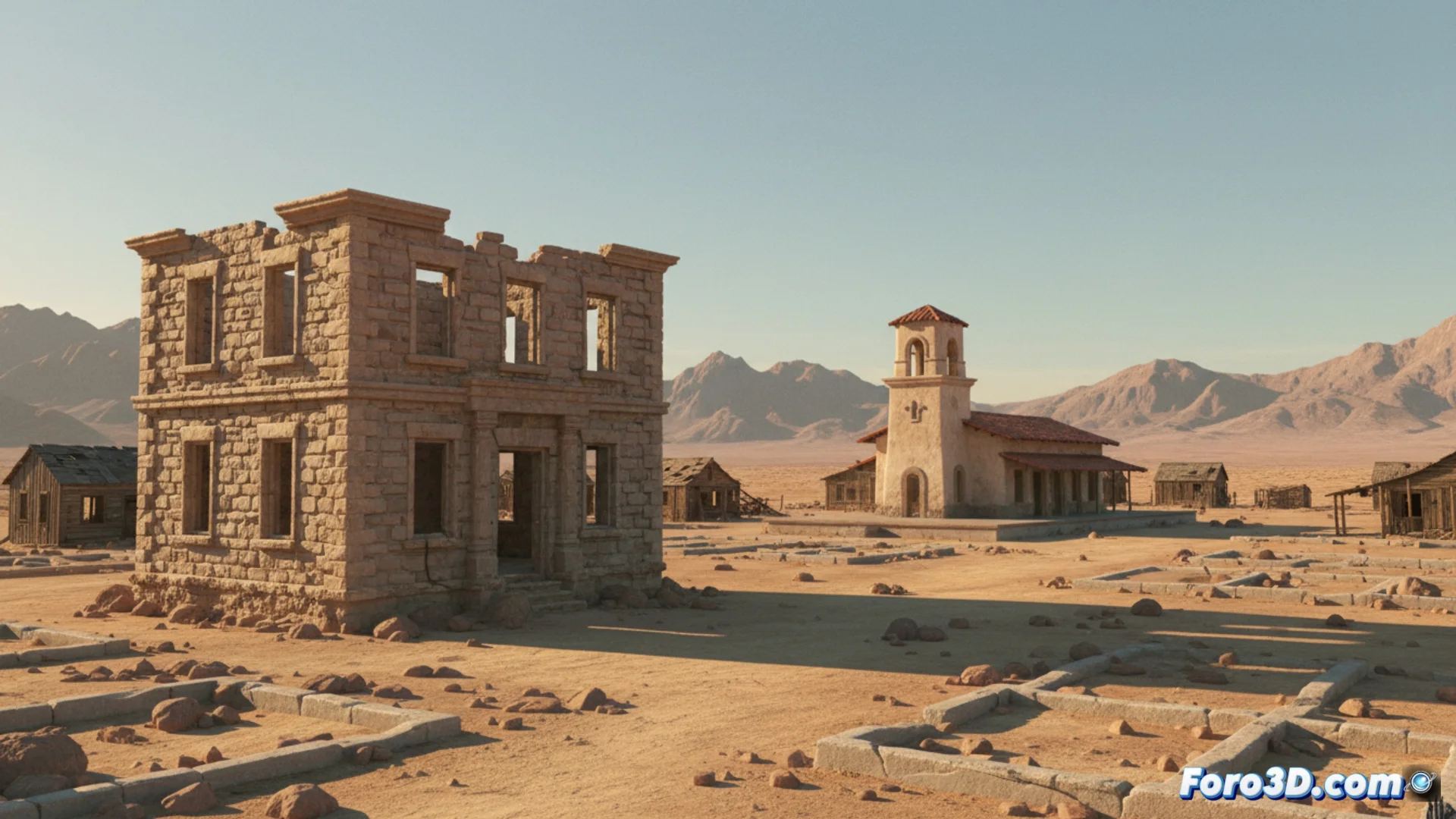
In the arid landscape of Nevada, the town of Rhyolite emerged from nothing in 1904 after explorers found gold in the area. A crowd of fortune seekers arrived at the site, causing the settlement to expand at an astonishing speed. In a short time, it had three railroads, electricity, drinking water, and more than five thousand residents. Solid constructions were erected, such as a three-story bank and a railroad station, which demonstrated faith in a stable future. However, all this prosperity depended solely on the precious metal extracted from the surrounding hills. 🏜️
The Rapid Decline After the Boom
Rhyolite's abundance vanished as quickly as it arrived. In 1907, a national financial panic caused investors to withdraw their funds from the mining operations. The main veins began to yield less, and the value of the stocks plummeted. By 1910, the most productive mine closed its doors, and most of the inhabitants left in search of better luck. Basic services were suspended, and the train tracks, once a symbol of wealth, fell silent. In just five years, the locality went from feverish activity to total abandonment.
Structures that Survived the Collapse:- Cook Bank: Its concrete and stone walls remain standing, devoid of roof and window frames, defying the desert climate.
- Las Vegas and Tonopah Railroad Station: This mission-style building is preserved as the most complete structure on the entire site.
- Bottle House: Only its foundations remain, originally made with thousands of beer and whiskey bottles.
The site is not rebuilt, but maintained in its state of deterioration, so that those who visit it can perceive the relentless passage of time.
A Stony Legacy in the Desert
What endures of Rhyolite are ghostly structures that withstand the relentless desert climate. In addition to the main buildings, scattered remnants of the old school and hospital can be found. The place is managed as a historical testimony, without attempting to restore it, thus allowing an authentic experience of its decay. 🏚️
Other Remnants and Symbols:- Remains of the foundations and some low walls of the public school.
- Traces and bases of what was the town's hospital.
- The cemetery, where a sculpture of a weeping woman over a grave stands out, placed when the city was still alive, as a harbinger of its fate.
The Symbol of an Ephemeral Dream
Perhaps the most powerful symbol of that fleeting illusion is not a great building, but a piece of funerary art: the figure of a mourning woman placed over a grave. This sculpture was installed in the cemetery when Rhyolite was still breathing, as if melancholically anticipating its own end. Today, the silent ruins and this commemorative statue tell the same story: that of a mirage of prosperity that the desert finally reclaimed. ⏳