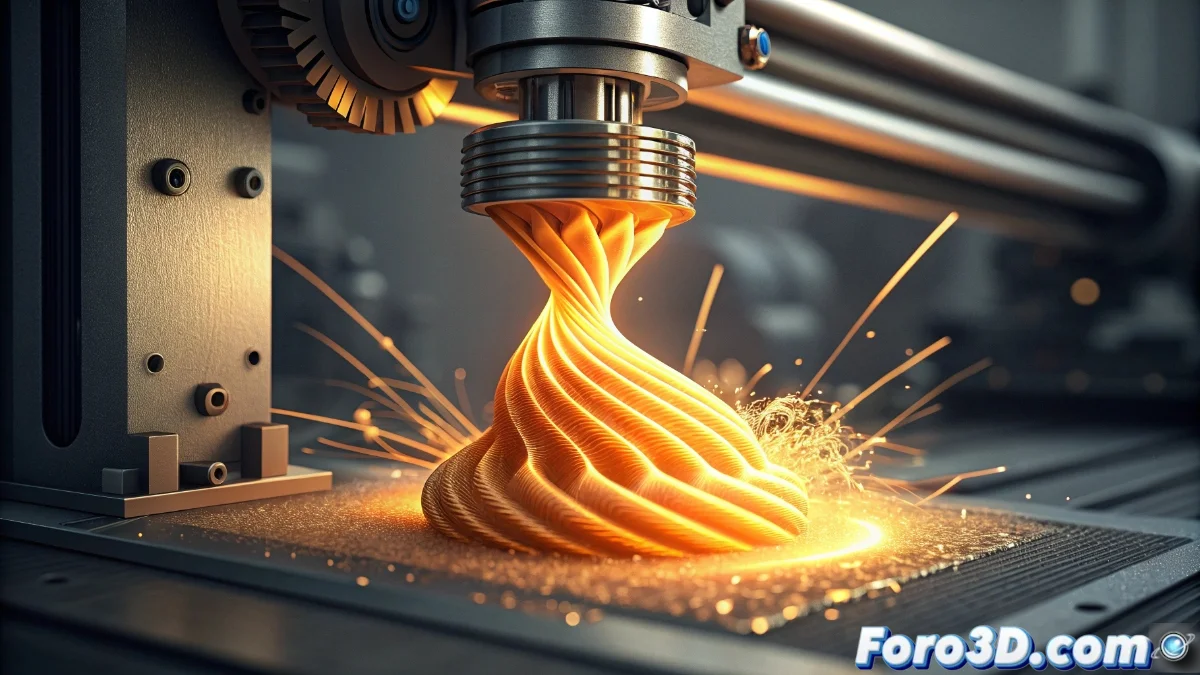
Rheology Applied to 3D Printing with Polymers
Rheology constitutes the science that analyzes how materials deform and flow under different conditions, being particularly relevant in the field of additive manufacturing with polymers. 🧪
Rheological Fundamentals in Filament Extrusion
The material's behavior during the 3D printing process is directly governed by its rheological properties. A deep understanding of viscosity, elasticity, and thixotropy allows for precise adjustments in printing parameters, resulting in significant improvements in the final quality of the parts. 🔬
Critical Parameters Influenced by Rheology:- Hotend Temperature - Determines the viscosity of the molten material
- Print Speed - Affects shear rates during extrusion
- Material Flow - Controls uniform deposition of each layer
Without proper rheological control, issues like clogging, stringing, or lack of layer fusion are common, affecting the final print quality.
Dynamic Viscosity in Thermoplastic Polymers
The viscosity of polymers is not a constant value, but experiences significant variations depending on the temperature and shear rate applied during the extrusion process. 🌡️
Consequences of Viscosity Mismatch:- Excessive Viscosity - Causes nozzle clogs and irregular extrusion
- Insufficient Viscosity - Leads to loss of definition and defects like elephant foot
- Optimal Viscosity - Allows uniform flow without material degradation
Viscoelastic Behavior in Printing Materials
Polymers in the molten state exhibit viscoelastic characteristics that combine properties of viscous liquids and elastic solids. This duality manifests through the phenomenon of viscoelastic recovery, where the material stores energy during extrusion and partially recovers its original shape upon leaving the nozzle. 🔄
Practical Challenges in Filament Handling
In everyday 3D printing practice, users frequently encounter situations where the filament appears to develop unpredictable behavior, alternating between ideal fluidity and stubborn resistance to extrusion. Although rheology provides scientific explanations for these phenomena, it doesn't always prevent frustration when materials like PLA mimic the stickiness of chewing gum. 😅
A comprehensive understanding of rheological principles not only allows for optimization of printing parameters but also facilitates troubleshooting and the development of best practices in the use of polymeric materials for additive manufacturing. 🎯