The revolution of additive manufacturing in the aeronautical industry
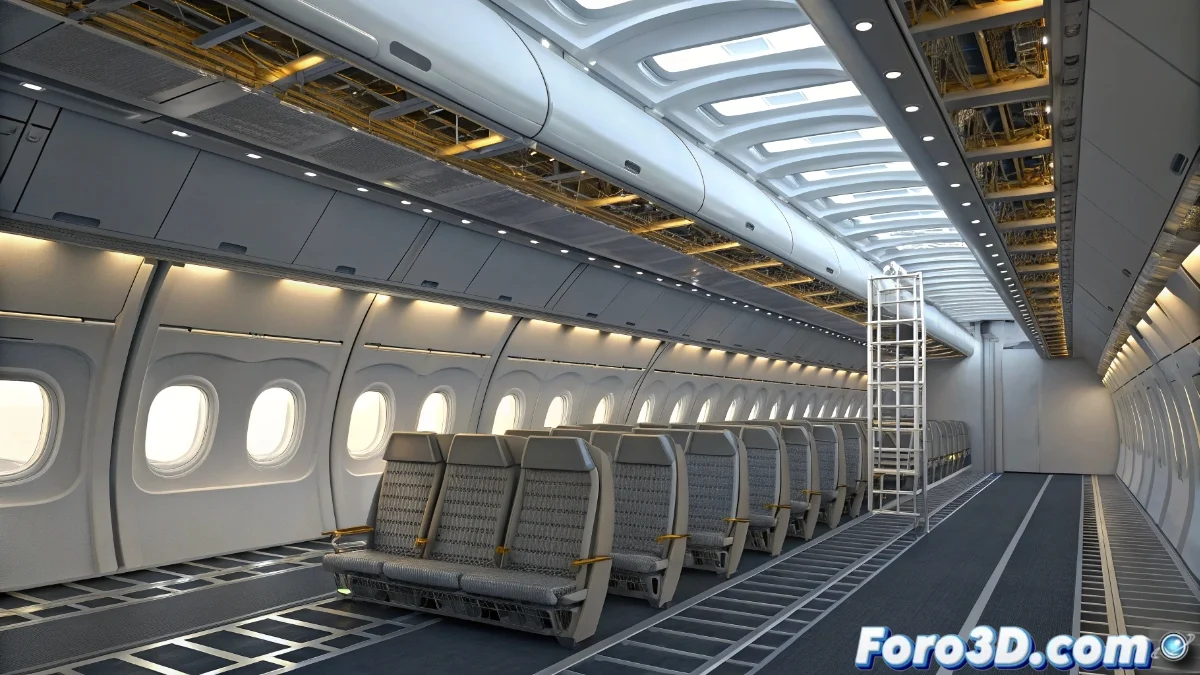
The aeronautical industry is undergoing a radical transformation with the integration of industrial-level 3D printing technologies. Airbus has achieved a significant milestone by incorporating more than thousand additively manufactured components in its A350 XWB model, specifically in critical areas such as the passenger cabin and structural support systems. This innovation enables the development of intricate geometries that would be unfeasible with conventional techniques, optimizing designs and reducing the number of parts required in each assembly ✈️
Weight optimization and operational efficiency
The application of three-dimensionally printed components results in a substantial weight reduction in aircraft, which directly translates to lower fuel consumption during flight operations. Each kilogram reduced in the aircraft's structure represents considerable savings throughout its operational lifecycle, making this technology not only innovative but also economically viable for airlines.
Key benefits in weight reduction:- Lattice structures that maintain structural strength while minimizing mass
- Honeycomb designs that optimize the strength-to-weight ratio
- Complex internal geometries that eliminate superfluous material
In aviation, every gram eliminated translates to fuel savings over millions of kilometers flown
Advantages in maintenance and customization
In addition to energy efficiency improvements, additively manufactured parts offer significant benefits in terms of availability and adaptability. Airbus can manufacture spare parts on demand, considerably shortening waiting times for maintenance and repairs. The design versatility allows for continuous optimization of components based on real operational data, establishing a cycle of perpetual improvement.
Improved operational aspects:- On-demand production of spare parts
- Customization of components according to specific needs
- Adaptability based on real-time operational data
The future of aeronautical specialization
This technological evolution suggests that aeronautical maintenance technicians will need to master both traditional tools and three-dimensional modeling software, as even basic elements like nuts and bolts will be digitally customized. This adaptability is crucial in an industry where reliability and uptime are determining factors for operational success, marking the beginning of a new era in aeronautical manufacturing 🛠️