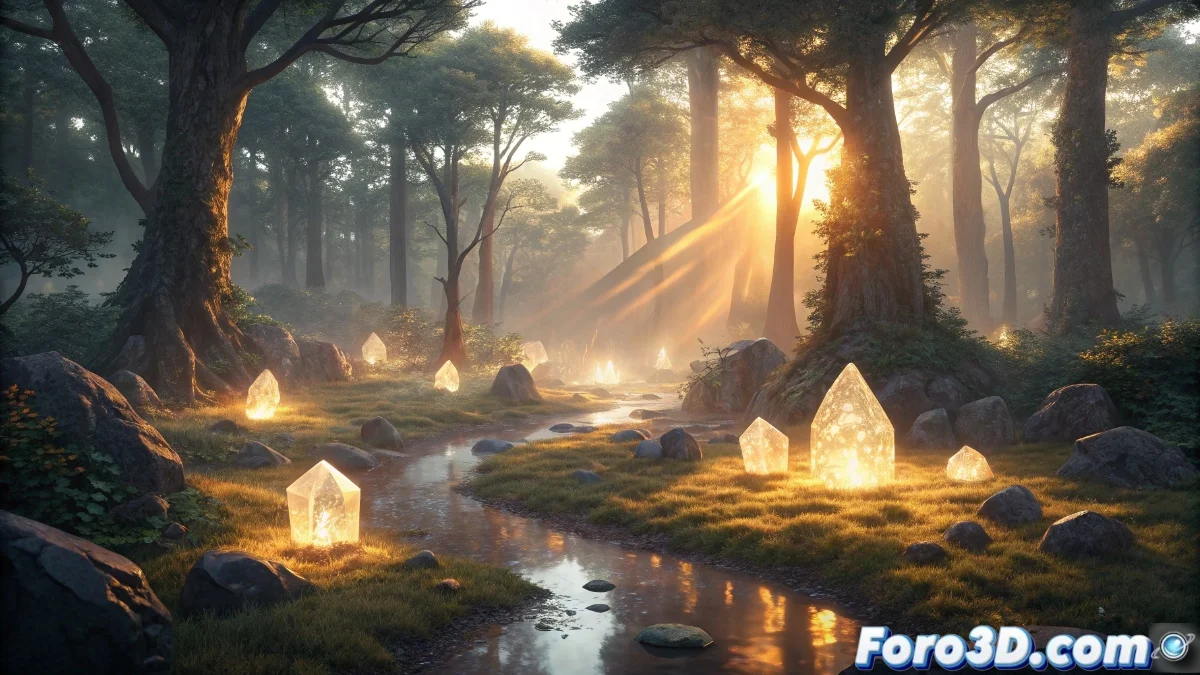
Reverse Workflow in Visual Creation
The reverse workflow represents a revolutionary approach to the creative process where lighting and atmosphere become the initial foundations of visual design. This methodology radically transforms how we conceive scenes, prioritizing the overall environment before developing any specific object 🎨.
Fundamental Advantages of the Initial Lighting Approach
Starting with the atmospheric setup provides significant creative and technical benefits. The established atmosphere functions as an implicit art director, naturally indicating which types of objects and materials will harmonize best under specific lighting conditions. This method prevents the recurring problem of designing isolated elements and then trying to forcibly integrate them into visually incompatible environments.
Key Benefits of the Reverse Method:- Aesthetic coherence guaranteed from the project's initial stages
- Optimization of technical resources like shaders and post-processing effects
- Significant reduction of revisions and rework in advanced phases
The predefined lighting atmosphere acts as an invisible guide that naturally suggests which visual elements will work best in the established context
Practical Implementation in Creative Pipelines
The effective application of this methodological approach requires specific adaptations in the traditional pipeline. We begin by developing test scenes with key lighting setups, ambient lights, and atmospheric effects before modeling any asset. We use basic geometries like spheres and cubes as placeholders to evaluate how different materials interact with our pre-established lighting.
Implementation Phases:- Creation of test lighting scenes with atmospheric effects
- Evaluation of materials using basic placeholder geometries
- Detailed object design once the visual atmosphere is confirmed
The Perfect Balance Between Form and Environment
This innovative method generates a symbiotic relationship between environment and elements, where each component is specifically designed to benefit from the established lighting conditions. The paradoxical situation of spending hours perfecting volumetric effects only to discover that the main character is basically a textured cube, but extraordinarily well-lit, perfectly exemplifies the essence of this methodology ✨.