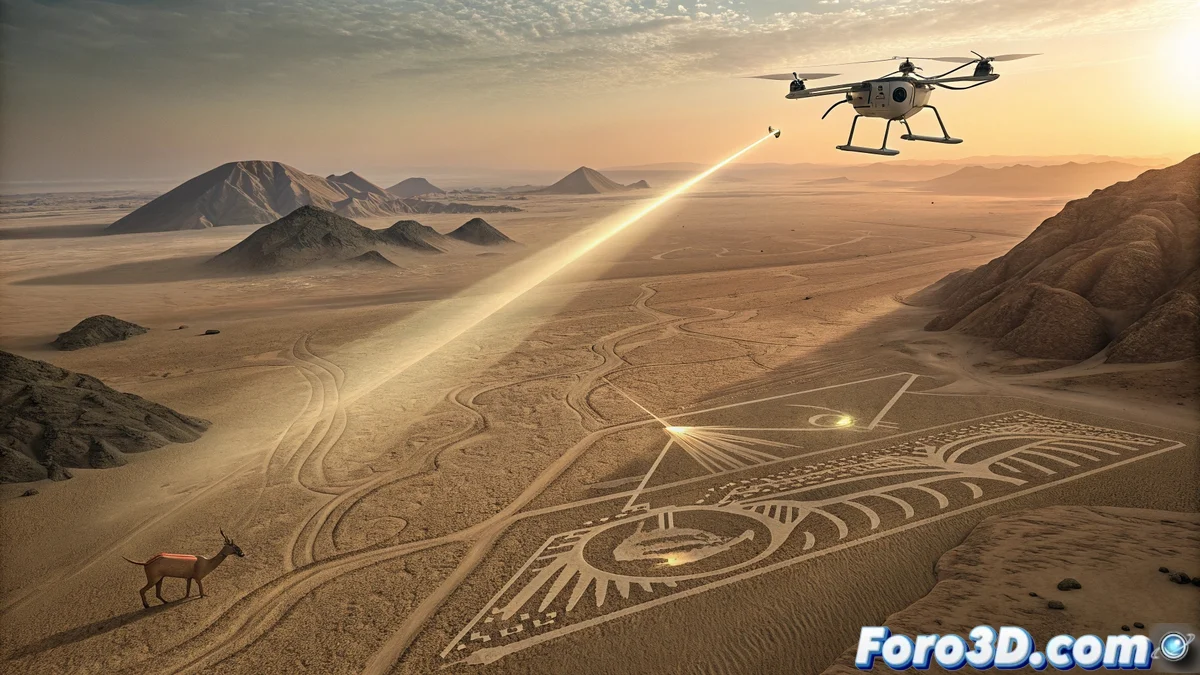
When Technology Reveals Millennial Secrets
The Nazca desert continues to be a box of surprises. 🏜️ The recent discovery of new geoglyphs using drones and laser scanners has brought this enigmatic culture back to the spotlight. However, the captured images often show faint lines eroded by centuries. This is where Photoshop becomes a fundamental tool not to alter history, but to help us see it more clearly, allowing archaeologists and the public to appreciate the true magnitude of these gigantic strokes.
The Base: Preparing the Image for Interpretation
The first step is to work on a good base. Aerial photographs or elevation maps obtained with LIDAR technology are imported. 📷 Using tools like Clone Stamp and Spot Healing Brush, modern imperfections, cloud shadows, or animal tracks that may distract are cleaned. The goal is to have the cleanest possible canvas that allows focusing on the ancestral lines. Adjusting the contrast levels globally is usually the first big breakthrough to make the almost invisible visible.
Photoshop doesn't create the geoglyphs, it just gives them the voice that time took away.
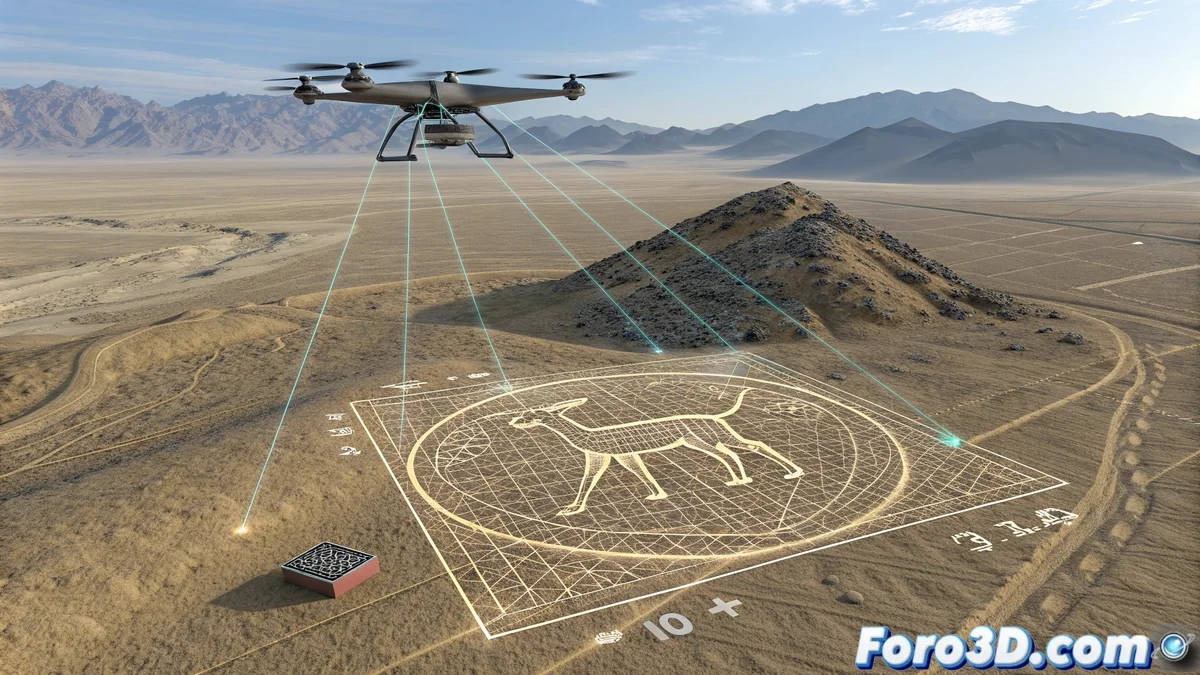
Enhancing the Lines with Precision
The key technique lies in the use of adjustment layers, specifically Curves and Levels. By playing with these adjustments selectively, the contrast between the geoglyph lines and the surrounding terrain can be dramatically increased. ✏️ For very eroded strokes, creating a new layer and using a soft brush with low opacity allows subtly "tracing" the lines, always guided by the visible evidence in the base photo. Precision and restraint are crucial to maintain archaeological authenticity.
- Dodge and Burn: To simulate the depth and relief of the incisions in the ground.
- Layer Masks: To apply adjustments locally and non-destructively.
- Textures: Overlay a sand texture to reintegrate the figure into the terrain naturally.
Final Composition for Disclosure
Once the figures are enhanced, the work focuses on composition. A small Gaussian blur in the surrounding areas helps direct the gaze toward the geoglyph. 🌅 Adjusting the color balance to reflect the desert light at a specific time (like dawn) adds drama and helps visualize how the figures would look under ideal conditions. The final export must be in high resolution, ready for use in scientific publications or disclosure materials.
After hours of precisely outlining what seems like a hummingbird, there's the risk that your mind plays a trick on you and you end up clearly seeing a giant chicken with sunglasses. 🐔 Archaeology, apparently, also has its surreal side.