Rethinking the Autism Spectrum Opens New Avenues of Support
For a long time, the autism spectrum model has defined how we perceive this condition, placing people on a linear continuum according to their level of support. However, this unitary vision is now under scrutiny. Emerging evidence suggests that we might be dealing with several distinct conditions that only share some superficial traits. This shift is not just about words; it has the potential to revolutionize how we diagnose and, crucially, how we effectively help autistic people. 🧠
Science Seeks to Define Subtypes with Biological Bases
Current research no longer limits itself to observing behavior. It employs advanced techniques to analyze genetic data, brain activity patterns, and other biological markers. The main goal is to identify groups with similar causes and developmental trajectories. Some preliminary studies already point to the existence of these subtypes, which could differ, for example, by how neural networks connect or by specific genetic signatures. This implies that two people with an identical diagnosis under the old model could have biologically different conditions.
Key Tools in the New Research:- Genomic analysis to find genetic profiles specifically linked to different developmental pathways.
- Advanced neuroimaging to map brain connectivity and structure precisely.
- Objective biomarkers that go beyond traditional behavioral assessment.
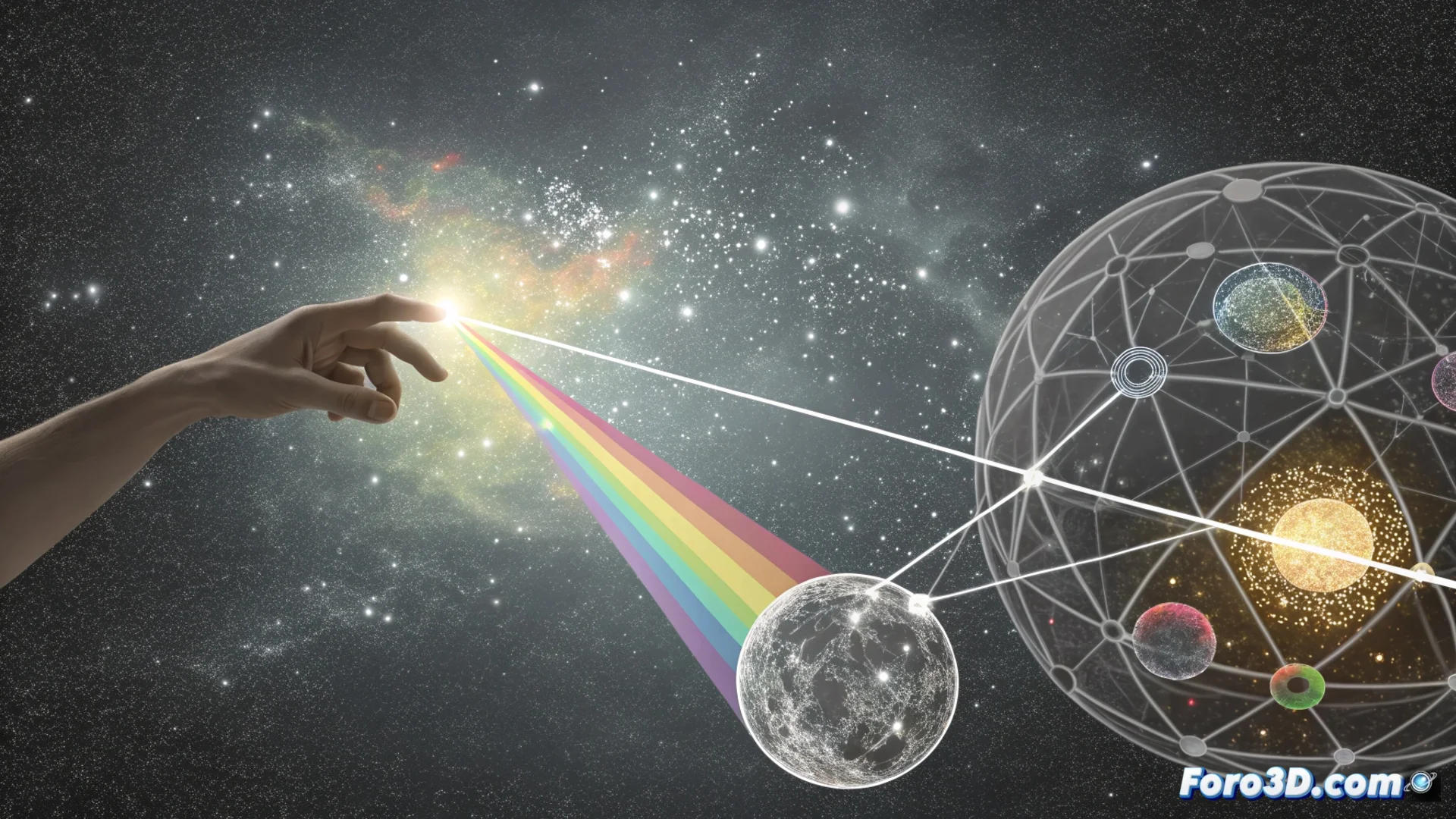
The future of autism support might rely less on a line and more on a map of unique neural pathways.
Practical Consequences for Effective Support
Confirming these biological subtypes would make the one-size-fits-all approach to intervention obsolete. Support, education, and therapy strategies could be tailored with unprecedented precision. One subtype might benefit more from certain communication tools, while another would need to prioritize sensory management or motor development. Understanding the biological root allows for designing more powerful interventions and avoiding generic methods that don't serve everyone. The horizon shows individualized support plans, created from each person's specific profile.
Possible Changes in Practice:- Communication therapies adapted to specific neural profiles.
- Educational environments modified according to predominant sensory and motor needs.
- Diagnostic protocols that integrate biological data alongside clinical observations.
Integrating Complexity Without Losing Progress
This rethinking does not mean the spectrum model has been useless. It played a crucial role in unifying concepts and promoting acceptance of neurodiversity. However, science evolves with new data. The current challenge is to incorporate this more complex and nuanced knowledge, ensuring that the hard-won achievements in rights and social inclusion are not lost. The path advances toward a richer understanding and more meaningful help. 🌈