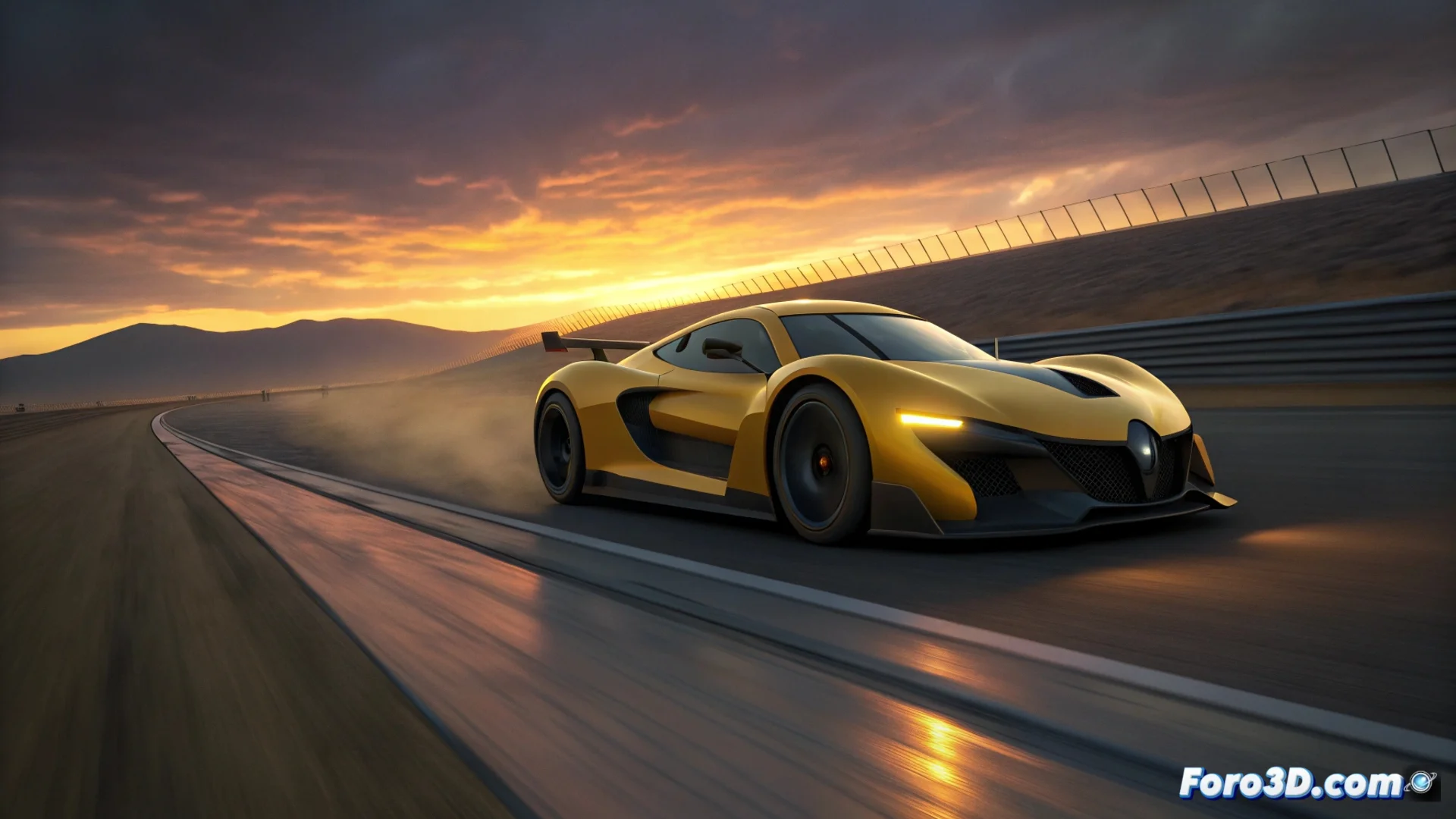
Renault presents an electric prototype that exceeds 400 km/h
The French brand Renault has unveiled a new electric car prototype that has managed to break a speed record on the track. This vehicle, which does not yet have a defined commercial name, was created to showcase the company's technical potential in the field of electrification and high performance. With this initiative, Renault aims to position itself in a high-end segment that has historically been dominated by other firms. 🚗⚡
A speed milestone for electric technology
During tests conducted on a private track, the prototype managed to exceed the 400 kilometers per hour barrier. This achievement is reached through an electric propulsion system that the brand describes as extremely powerful. Renault has not specified the exact configuration of the batteries or motors, but claims that the technology used comes from its competition program and its division dedicated to sustainable mobility. The ultimate goal is to transfer some of these advances to its future production models.
Key features of the development:- Verified top speed exceeding 400 km/h.
- Electric propulsion system derived from competition experience.
- Technology focused on optimizing power and transfer to production models.
"The knowledge acquired will have practical applications to improve the range and power of its conventional electric cars," states Renault's strategy.
A clear strategy to compete in the high-end segment
This project is not an isolated exercise, but part of a comprehensive strategy to revitalize Renault's image and compete fully in the premium segment of electric vehicles. The brand wants to demonstrate that it can manufacture cars that are not only efficient, but also exciting to drive. The speed record serves as a technological and marketing demonstrator, in the style of hypercars from other brands.
Renault strategy objectives:- Revitalize the brand's perception towards high performance.
- Demonstrate technical capabilities in powerful electrification.
- Compete directly in the coveted premium electric segment.
From the track to the road
Beyond the media impact, Renault insists that the technical knowledge obtained with this prototype will have a path to its street models. The intention is to use what has been learned to improve key parameters such as range and power delivery in its future production electric vehicles, thus closing the cycle between competition and mass production. 🔄