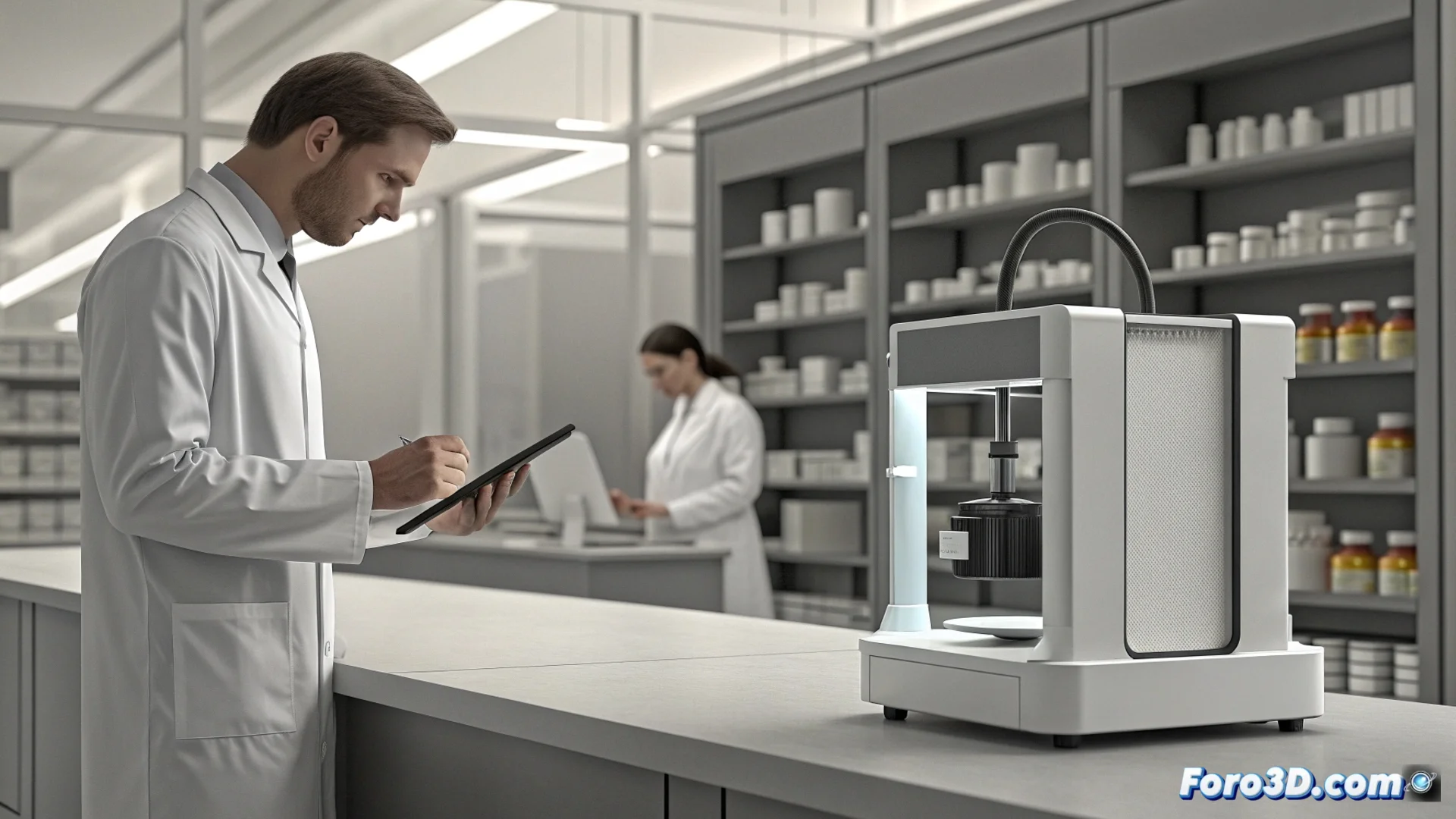
Rem3dy Health tests selling personalized supplements in physical stores
The company Rem3dy Health has begun a pilot project to offer its custom nutritional supplements directly in retail establishments. This action aims to bring individualized nutrition to the general public, making it easy for anyone to obtain products specifically designed for their profile in street stores. This move is a key advance in the company's plan to integrate personalized wellness into daily routines. 🏪
A method that fuses data and on-demand manufacturing
The mechanism is activated when a person completes a health questionnaire digitally. With that information, an intelligent algorithm generates a unique nutrient composition. Subsequently, a specialized 3D printer, located in the store itself, produces the capsules or gummies adapted on the spot. This process enables modifying the components according to each individual's needs, an advantage that generic products do not offer.
Key advantages of the in-store system:- Immediate response: The customer receives their personalized product minutes after completing the questionnaire.
- Total transparency: They can watch live how their supplement is manufactured, which builds trust.
- Absolute flexibility: The formula adjusts dynamically, allowing changes with each purchase.
Bringing technology to the street can reduce barriers and educate the consumer, who can see how their supplement is manufactured.
The goal: make personalized health more inclusive
By establishing its service points in commercial premises, Rem3dy Health seeks to make precision nutrition more accessible and less exclusive. Its model, which until now focused on online sales, takes a leap into the physical world. This test will serve to measure how the public reacts and to verify the viability of on-demand production in a real retail environment.
Elements to be evaluated in the pilot:- Customer acceptance and curiosity toward the technology in the store.
- Logistics and efficiency of local manufacturing with 3D printing.
- Impact on the perception of value and personalization of health products.
A future where your supplement bears your name
In short, the next time you look for vitamins, you might take home a package with your name and a blend that only an algorithm and a printer can create. This pilot marks a path toward a revolution in wellness, where technology brings unique solutions to each person. 💊