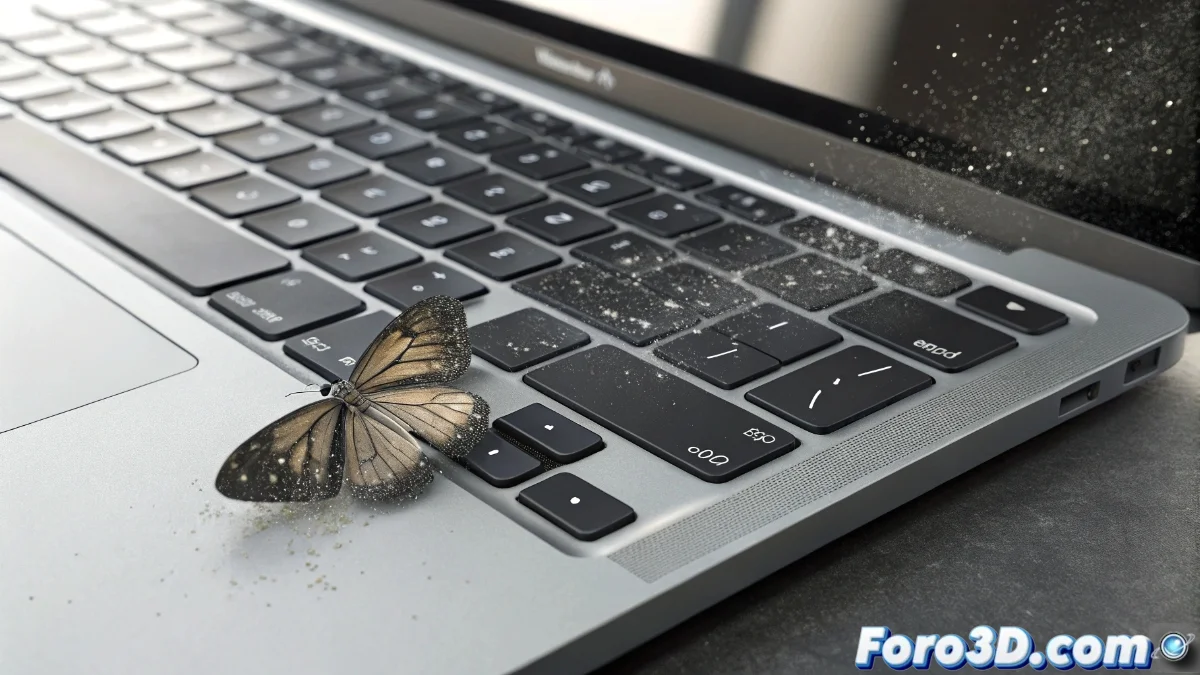
Recurrent Problems in Premium Laptop Keyboards and Their Impact on Durability
Membrane keyboards and butterfly mechanisms implemented in devices from brands like MacBook, Dell, HP, and Lenovo during the 2015-2020 period have proven to have significant vulnerabilities in their construction 🎯.
Most Common Technical Failures
Users report persistent problems that include keys that get stuck, inconsistent keypress registration, and irregular tactile feel. These deficiencies originate from designs with minimal tolerances, use of low-resistance materials, and accumulation of particles in mechanisms that are difficult to access for cleaning 🔧.
Main Identified Causes:- Extremely tight tolerances in the key mechanisms
- Component materials with little resistance to continuous wear
- Progressive accumulation of dust and dirt in critical areas
"Some keyboards seemed more interested in capturing crumbs than keypresses, reminding us that innovation must be balanced with practical functionality"
Manufacturers' Response
Companies have implemented different corrective strategies. Apple completely redesigned its butterfly mechanisms in 2019 and established no-cost repair programs, while other manufacturers optimized membrane designs in later models. Although these measures improve the situation in new devices, older equipment continues to present failures that require costly interventions 💰.
Implemented Measures:- Complete redesign of problematic mechanisms
- Service and replacement programs for affected models
- Improvements in materials and tolerances in updated versions
Consequences on Functionality and Lifecycle
Persistent defects in previous models force users toward frequent repairs or complete equipment replacement, accelerating functional obsolescence prematurely. This situation not only increases maintenance costs but also compromises daily productivity, underscoring the need to evaluate robustness and durability as critical factors when selecting future devices 📉.