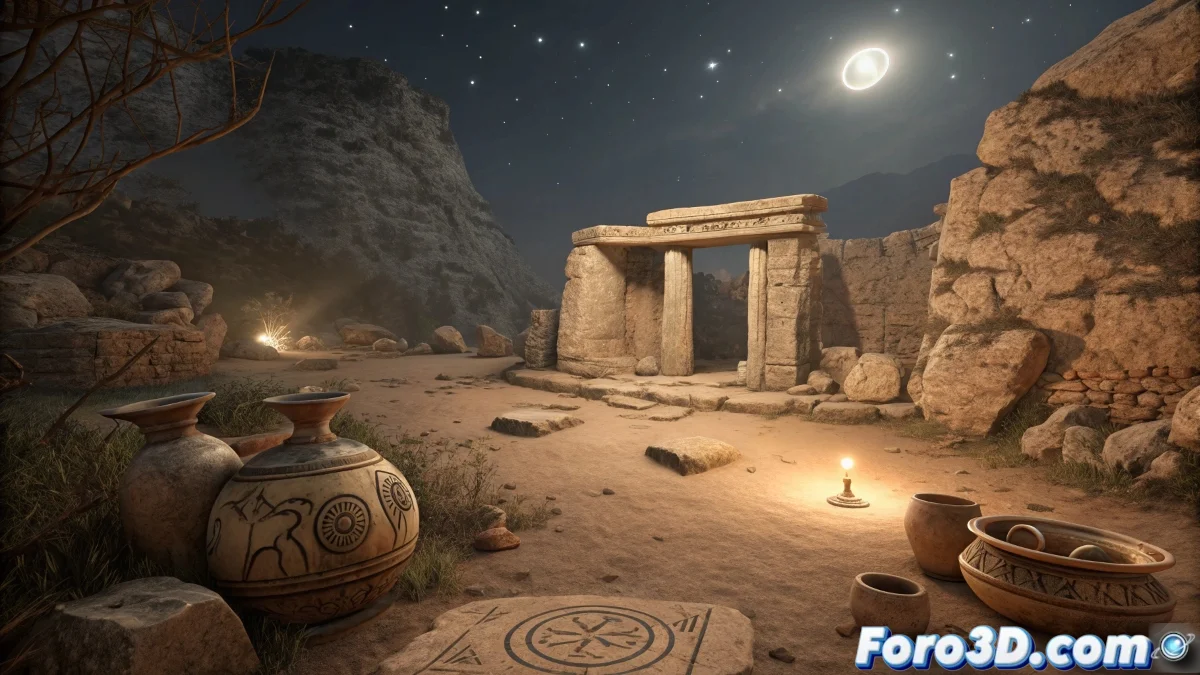
Where ancient magic meets digital simulation
The recent discovery of a sanctuary dedicated to Hecate on the island of Delos is a fascinating window into the ritual practices of the Hellenistic world. 🏺 For Houdini artists, it represents the perfect opportunity to apply the power of procedural modeling and dynamic simulations to revive a space charged with mysticism. Recreating this sanctuary is not just about architecture, but about capturing the ethereal and somewhat dark atmosphere that surrounded the worship of the goddess of crossroads and magic.
Building the ruins with procedural intelligence
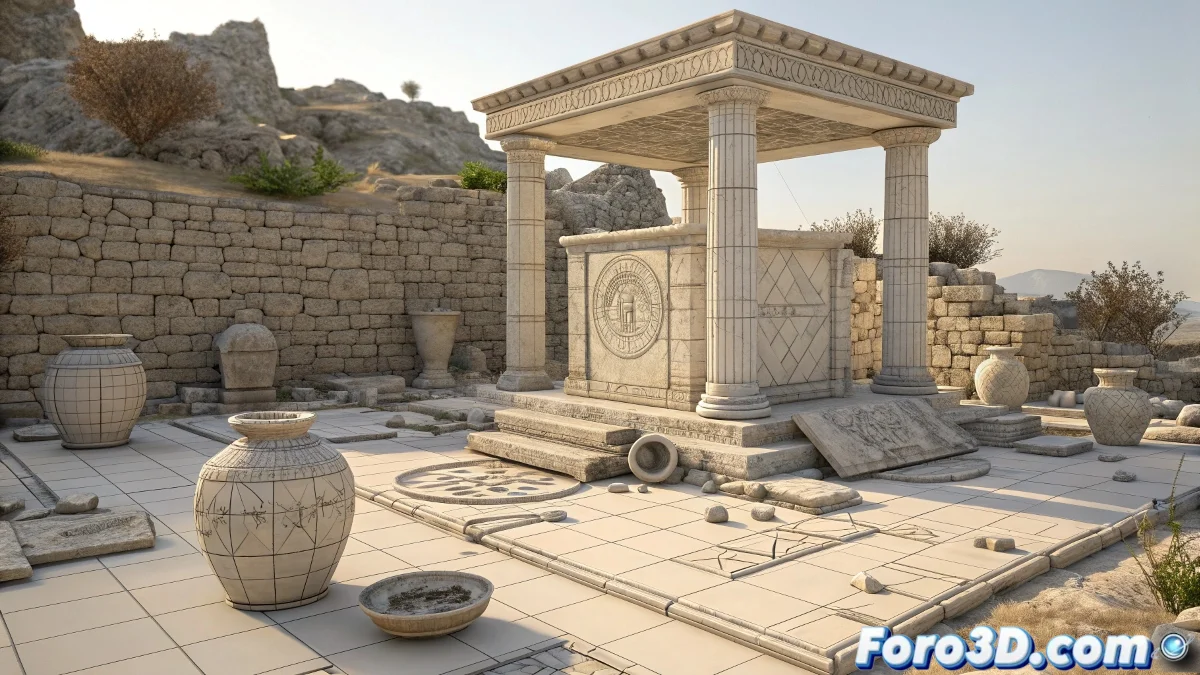
The first step is to generate the arid and rocky terrain of Delos using the HeightField node in Houdini. 🗻 From there, procedural modeling becomes the best ally. Building columns and ruined walls using non-destructive techniques allows total control over the level of erosion and deterioration. Cracks, detachments, and even vegetation breaking through the stones can be added, all in a parameterized way to experiment with different states of preservation.
Houdini allows not only to build the sanctuary, but to simulate the centuries that have eroded it.
Simulating the ritual environment
Houdini's true magic shines when recreating the elements that brought the sanctuary to life. Pyrotechnics simulations (Pyro FX) are ideal for creating smoke from torches and ceremonial fires. 💨 Particle systems can scatter floating ashes or small remnants of offerings around the altar. For the vases containing ritual liquids, fluid simulations can even be used to achieve convincing realism. Each simulation adds a layer of verisimilitude to the whole.
- Procedural destruction: Use Fracture Tools to break ceramics and create archaeological fragments.
- Thick atmosphere: Add light volumetrics to simulate morning mist or incense smoke.
- Aged textures: Apply materials that show the passage of time on stone and ceramics.
Lighting and composition for drama
Lighting is crucial to convey the mystery of the place. A sunset light grazing can accentuate the textures of the ruins and cast long, dramatic shadows. 🔦 Warm point lights in the altar area help direct the viewer's gaze to the heart of the ritual. Setting a subtle depth of field on the camera adds a cinematic touch and focuses attention on the most important details, like a set of vases or a ritual bone.
It's quite common that, after hours perfecting a ceremonial smoke simulation in Houdini, the final result suspiciously resembles the steam coming from a teapot. 🫖 Perhaps the ancient Greeks knew the secret to a good infusion while invoking the spirits.