Where History and Mystery Meet in 3D
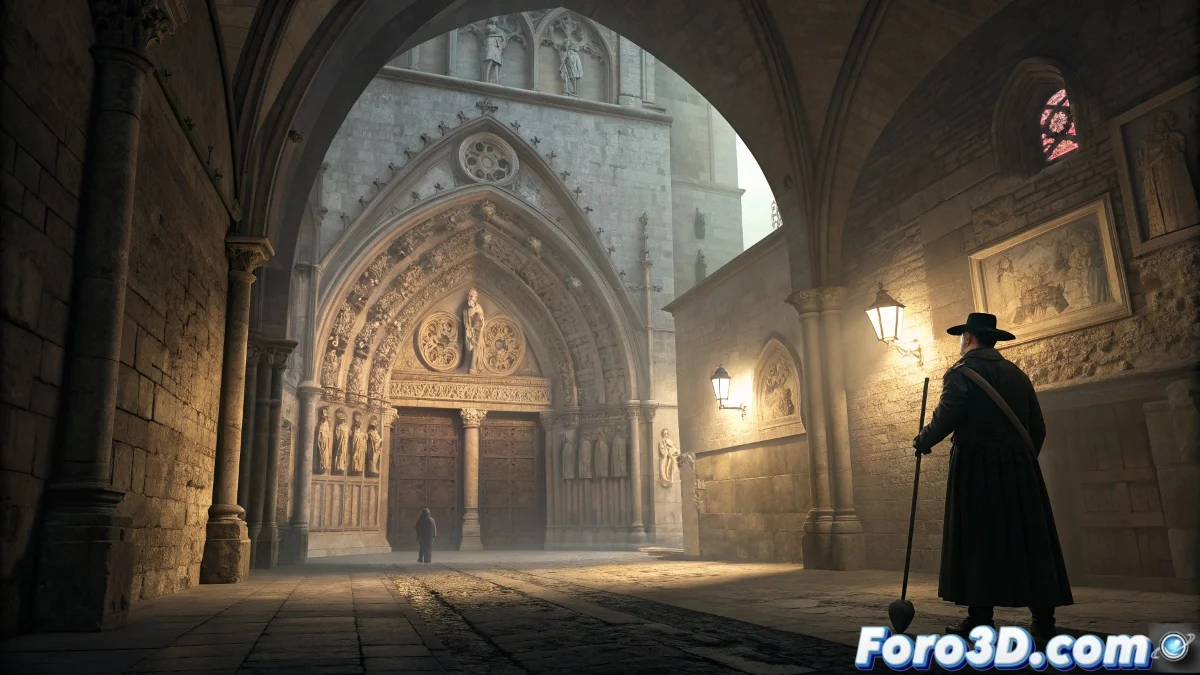
The Burgos Cathedral is not just a Gothic masterpiece; it is a stone book full of symbols that have intrigued pilgrims and historians for centuries. 🏰 Recreating it in 3ds Max is a project that goes beyond architectural modeling, delving into capturing its unique atmosphere and the symbolic details linked to the Camino de Santiago. For any 3D artist, it represents the perfect challenge to demonstrate technical skill and artistic sensitivity, attempting to visually decipher those secret codes that are talked about so much.
The Structure: Gothic Precision with Modern Tools
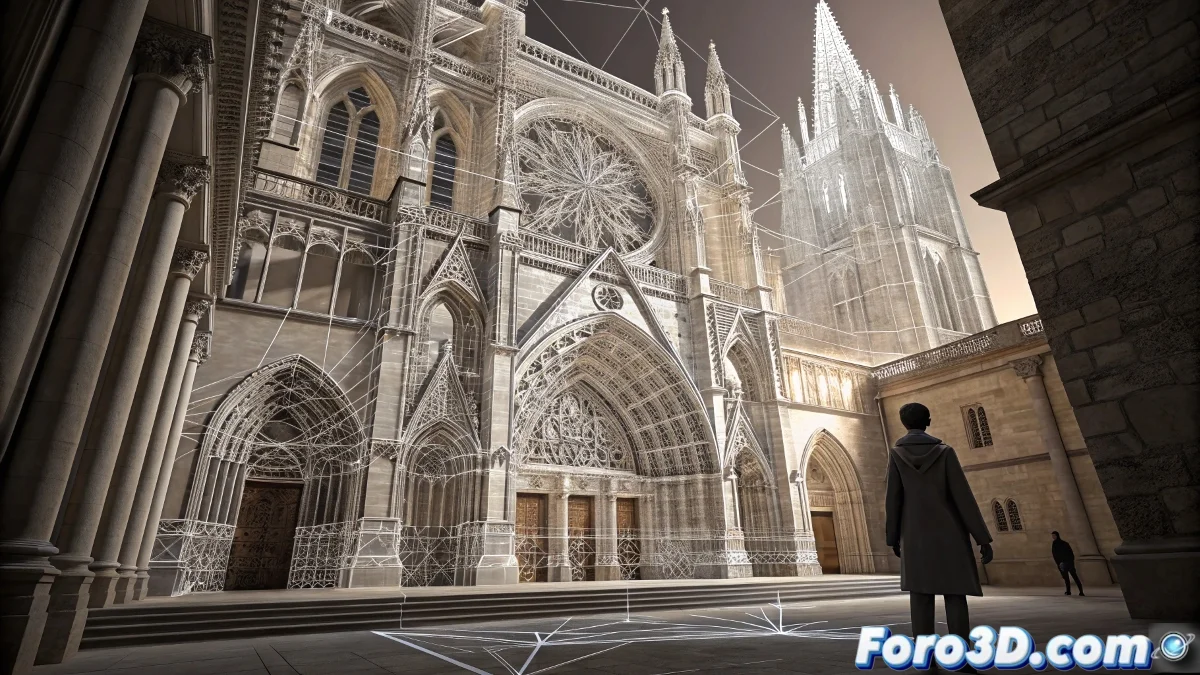
The first step is to tackle the complex structure of the cathedral. Using Editable Poly in 3ds Max, you can start with the basic shapes of the towers and naves. 🧱 Tools like Extrude and Bevel are essential for shaping the flying buttresses, pointed arches, and delicate pinnacles that characterize the Gothic style. Precision is key, as each architectural element not only has a structural function but can also enclose a symbolic meaning related to the spirituality of the path.
Every gargoyle and every stained glass window tells a story waiting to be deciphered.
The Soul of the Cathedral: Materials and Lighting
The true magic arises when applying materials and lights. Using engines like V-Ray or Arnold, you can simulate the Burgos limestone with roughness and displacement maps that show the wear of centuries. 💡 Lighting is crucial; setting up an HDRI light for the exterior and warm point lights in the interior allows recreating how sunlight filters through the stained glass windows, projecting beams of color that have inspired pilgrims for generations. Displacement Maps are ideal for carving the reliefs and esoteric symbols on the facades without overloading the mesh.
- Historical Textures: Apply layers of dirt and moss for authentic realism.
- Realistic Stained Glass: Use materials with transparency and reflection to simulate stained glass.
- Atmosphere: Add light volumetric effects to create a dense and mystical atmosphere.
Composition and Visual Narrative
To tell the story of the cathedral and its connection to the Camino, the scene must include narrative elements. Adding pilgrim figures with the Scatter modifier gives scale and life to the environment. 📷 Camera setup is fundamental; a general shot shows the magnificence of the building, while a close-up can reveal the hidden symbolic details in a capital or lintel. The use of Depth of Field helps guide the viewer's gaze toward these mysteries.
And the thing is, after days of meticulous work, there is always a digital pilgrim who, instead of walking praying, decides to do a handstand in front of the main facade. 🧘♂️ A perfect reminder that even in the most serious recreation, the unexpected and humor always find their place.