Uncovering Historical Secrets with LightWave
An exciting archaeological discovery has confirmed what for centuries was only a legend: the existence of a network of secret tunnels beneath the majestic Sforza Castle in Milan. 🏰 Using ground-penetrating radar technology, scientists from the Polytechnic University of Milan have verified what Leonardo da Vinci's sketches already suggested: hidden passageways that likely served as defensive routes for the castle's soldiers. This finding resolves a historical mystery while opening new possibilities for digital recreation.
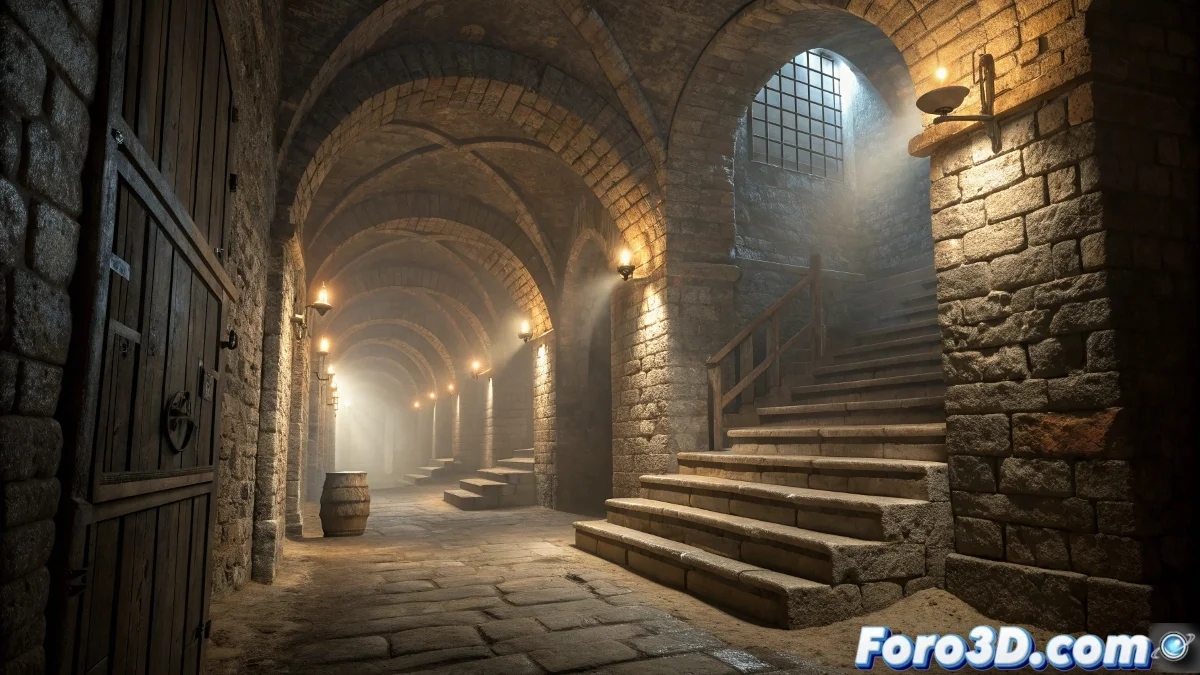
For 3D artists and visualizers, this discovery represents a fascinating opportunity to digitally revive these hidden spaces using tools like LightWave. The key is to capture not only the architectural precision of the tunnels, but also that atmosphere of mystery and history that has surrounded them for centuries. 💡 The combination of dim lighting, aged textures, and attention to historical detail can transport us directly to these forgotten passageways.
A digital journey through time that connects us with Renaissance defensive ingenuity.
Historical Context and Archaeological Approach
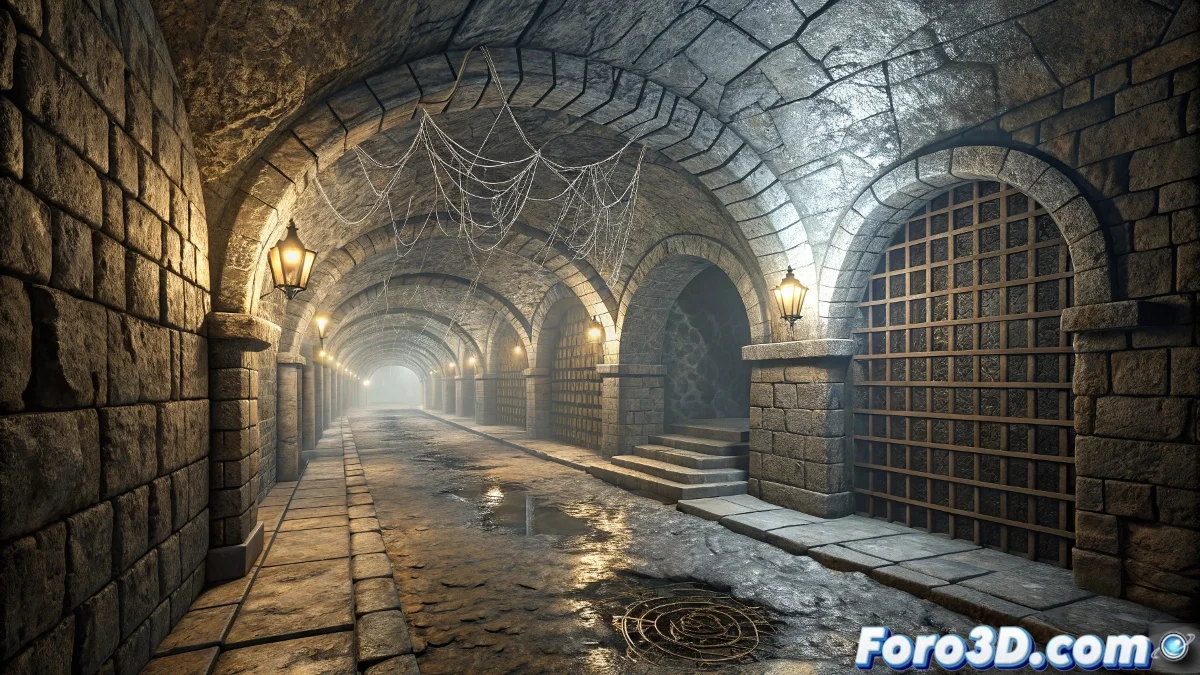
The first step for an authentic recreation in LightWave is to establish a precise measurement system in meters, ensuring that the proportions of tunnels and chambers match the real findings. 📐 Layer organization is essential: Surface, Tunnels, Chambers, Lighting, Cameras, and Details. This structure allows efficient management of the multiple elements that make up the scene and adjustment according to available historical documentation.
The key elements to include in the recreation are:
- Narrow passages with irregular geometries typical of ancient constructions
- Aged stone textures with moisture and wear
- Architectural elements such as stone arches and staircases
- Small archaeological remains that suggest the passage of time
Mastering Underground Lighting and Atmosphere
Lighting is the element that truly brings these hidden spaces to life. A dim and dramatic lighting must be configured to simulate torches or oil lamps, creating elongated shadows that accentuate the mystery of the passageways. 🔦 The strategic use of spotlights helps highlight specific areas while maintaining the overall sense of darkness and secrecy. The addition of light fog or suspended dust particles completes the atmosphere of abandonment and antiquity.
It is profoundly ironic that Leonardo da Vinci hid these tunnels to protect military secrets, and today we discover them using radar technology… which the Renaissance genius himself would probably have wanted to invent. 🎯 Another demonstration of how modern technology can dialogue with the ingenuity of the past to reveal hidden stories.