When Technology Unearths the Past
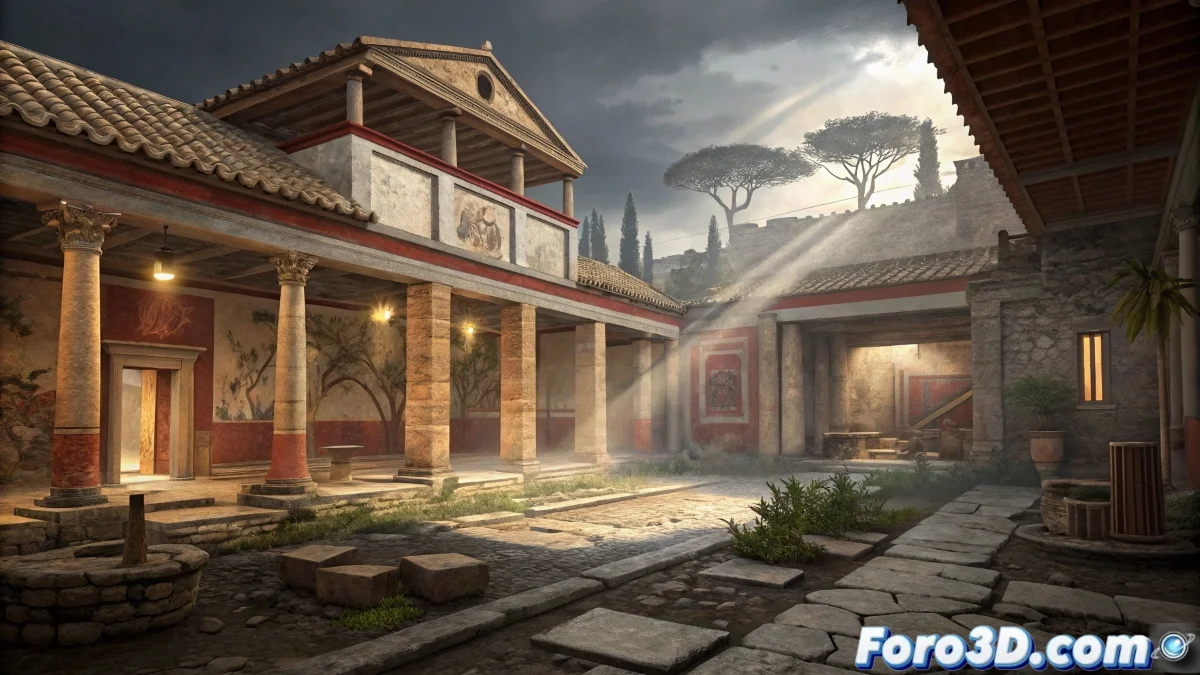
The recent excavations at the famous Villa of the Mysteries in Pompeii continue to reveal secrets hidden under the ash of Vesuvius for nearly two millennia. 🏛️ The discovery of the main entrance and the service area, buried since the catastrophic eruption of 79 AD, is providing invaluable information about daily life and the social structure of ancient Rome. These findings, which include fragments of collapsed walls and roofs, help complete the puzzle of this iconic Pompeian residence.
For digital artists and visualizers, these discoveries represent a fascinating opportunity to digitally recreate the past using tools like LightScape. The key is to capture not only the architectural precision, but also the unique atmosphere of an archaeological site in the full process of discovery. 💻 The combination of dramatic lighting, realistic textures, and attention to historical detail can transport us directly to the heart of the excavations.
A digital window to the past that complements the meticulous work of archaeologists.
Initial Setup and Archaeological Approach
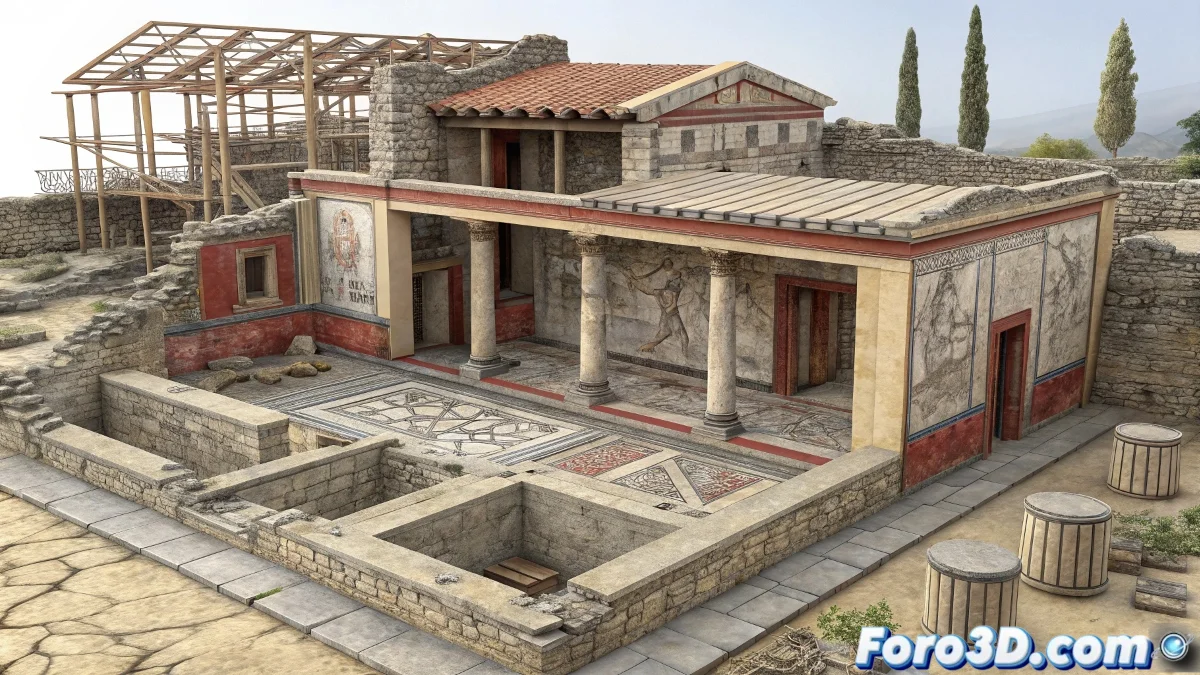
The first step for a historically accurate recreation in LightScape is the exact metric setup and a coordinate system that allows working with the real proportions of the villa. 📐 Layer organization is fundamental: Walls, Roofs, Main entrance, Service area, Archaeological details, and Lighting. This structure allows efficient handling of the multiple elements that make up the scene and adjusting them individually according to the latest documented findings.
The essential elements to include in the recreation are:
- Collapsed walls and roof fragments in excavation state.
- Authentic textures of volcanic ash and lapilli.
- The main entrance recently discovered with architectural details.
- Archaeological tools and excavation context elements.
Mastering Lighting and Historical Atmosphere
Lighting is the soul of this recreation. A natural light must be configured to simulate the conditions of Pompeii, with angles that create deep shadows accentuating the relief of the newly discovered structures. ☀️ The strategic use of spotlights helps highlight the areas of greatest archaeological interest, such as the main entrance and fresco fragments. The ambient lighting should be dim but directional, creating that atmosphere of discovery that characterizes ongoing excavations.
It is profoundly ironic that, while archaeologists meticulously unearth the past, we continue to build upon it without pause. Perhaps we should learn to look more downward before deciding where to advance. 🏗️ At least tools like LightScape allow us to digitally preserve these historical treasures for future generations.