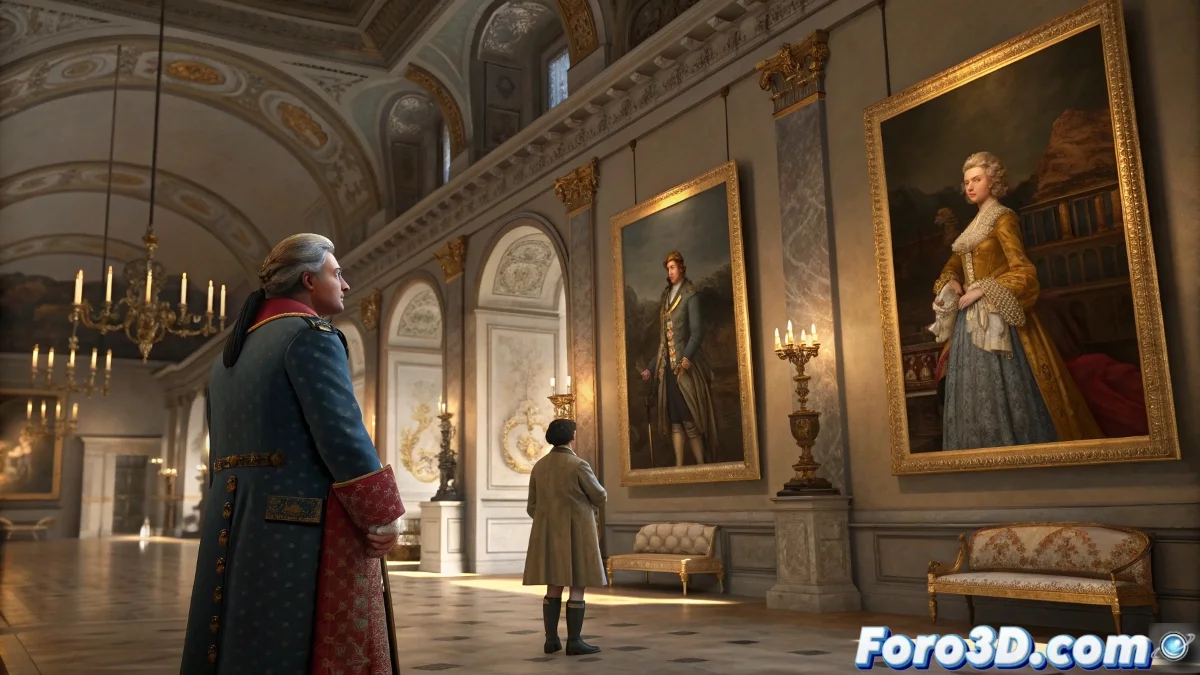
A Digital Journey to the 17th Century with iClone
The Prado National Museum has made an exceptional loan for a historical exhibition. Four crucial portraits of the Bourbon family will travel to the Palace of Versailles for the first major exhibition dedicated to Louis de France, the Grand Dauphin. 🖼️ This historical figure, son of Louis XIV, never came to reign, but his legacy is now celebrated in an exhibition that will unite Spain and France through art. The star piece is a portrait of the Dauphin at his baptism, specially restored for the occasion.
For digital artists, this museum collaboration represents a fantastic opportunity to explore historical recreation in 3D environments. Using software like iClone, the exhibition can be virtually revived, allowing people from all over the world to visit the halls of Versailles in an immersive way. 🎨 It is a perfect fusion between cultural heritage and the latest technology.
A unique opportunity to democratize access to a historical exhibition through digital recreation.
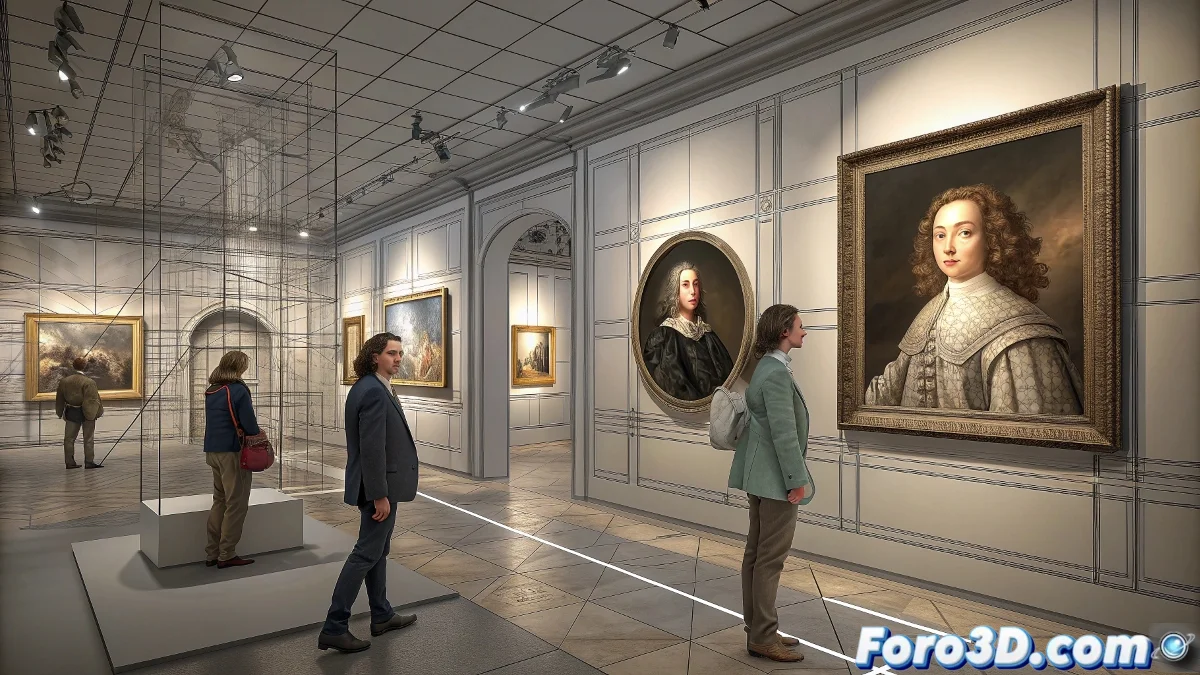
Practical Guide to Recreate the Exhibition in iClone
The recreation process requires attention to historical detail and good handling of lighting and modeling tools. The first step is always the meticulous project setup, ensuring that the metric units are exact to maintain the proportion of the majestic palace halls. 🏛️ Layer organization is fundamental to efficiently manage the multiple elements: architecture, works of art, lighting, and virtual visitors.
The key technical aspects to consider are:
- Precise architectural modeling of the Versailles halls.
- Import or creation of 3D models of the portraits.
- A soft and directional museum lighting that enhances the works.
- Animation of visitors with natural poses and gestures.
The Power of Lighting and Post-Production
Light is everything in a museum. In iClone, soft Area Lights should be configured to bathe the paintings without creating annoying reflections, imitating the careful lighting of a curator. 💡 The use of directional spotlights helps guide the virtual viewer's gaze toward the most important works. In the rendering phase, enabling anti-aliasing and soft shadows is crucial for realism. The final post-production, with color adjustments and a slight vignette, finishes integrating all elements harmoniously.
It is profoundly ironic that the Grand Dauphin, who never came to reign, is now the absolute protagonist of an exhibition in the most symbolic palace of the French monarchy. His destiny was to be remembered not for his rule, but for his presence in art. 👑 And now, also, in the digital world.