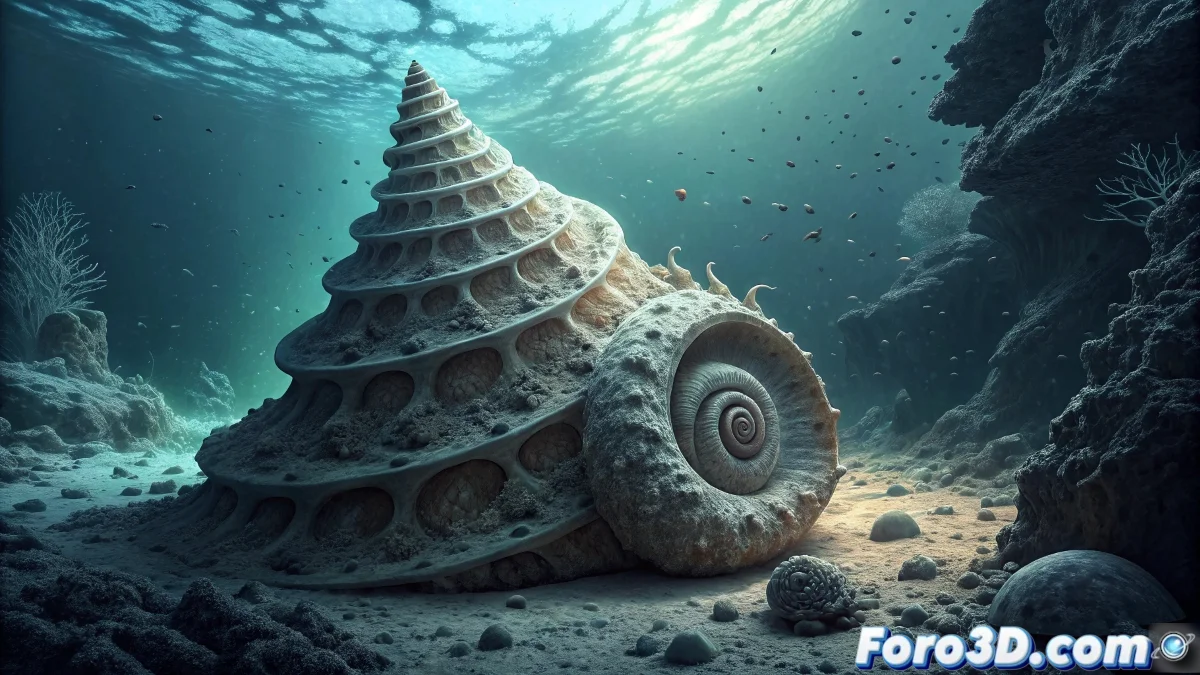
Recreating the Antarctic Troll-Snail with withpoly: Ross Sea Mystery
The Antarctic Troll-Snail represents one of the most intriguing biological discoveries from the marine depths, a strange structure found on the bottom of the Ross Sea that initially puzzled scientists due to its unusual appearance. This formation, which resembled a giant tower or snail about 2 meters tall, was later identified as the burrow of a polychaete worm, specifically from the Serpulidae species. However, the mystery persists regarding the extreme life forms that inhabit the unexplored depths of the Southern Ocean and the complex structures they build under conditions of extreme cold, abyssal pressure, and complete darkness. This phenomenon underscores how much we still don't know about the biodiversity of Antarctic ecosystems. 🐌
Initial Project Setup in WithPoly
Start by creating a new project in WithPoly, the browser-based 3D modeling platform that allows quick model creation using text prompts. Set up the scene to represent the Ross Sea seabed, one of the deepest and coldest areas of the Antarctic Ocean.
Environment Preparation in WithPoly:- Select the empty project template for maximum creative control
- Set appropriate scale for the 2-meter tall structure
- Establish base lighting that simulates the low-light conditions of the depths
"The Troll-Snail reminds us that the Antarctic Ocean remains a frontier of discovery, where each expedition can reveal life forms that challenge our imagination" - Antarctic marine biologist
Generation of the Snail's Base Structure
Use WithPoly's text generation system to create the characteristic spiral shape of the Troll-Snail. The structure features a spiral tubular morphology that rises from the seabed, created by the accumulation of sediments and secretions from the polychaete worm.
Prompts for generating the structure:- "Spiral biological structure 2 meters high with textured surface"
- "Antarctic worm tube formation with organic patterns"
- "Deep sea calcium carbonate structure with sediment layers"
Refinement and Burrow Details
Once the base shape is generated, use WithPoly's editing tools to refine the details. Add organic textures and growth patterns that capture the biological nature of this structure built by a living organism.
Refinement Techniques:Materials and Textures for Antarctic Environment
Apply materials that reflect the extreme conditions of the Antarctic seabed. The Ross Sea has characteristic sediments and unique mineral formations influenced by proximity to the icy continent and glacial activity.
Materials for the Environment:- Marine sediment textures with grayish and beige tones
- Effects of biological encrustations and adhered microorganisms
- Surfaces with calcareous appearance to simulate polychaete secretions
Final Composition and Ecosystem Context
Integrate the structure into a scene that shows the complete Antarctic ecosystem, adding elements like seabed sediments, suspended particles, and the characteristic dim lighting of the depths. The final composition should convey the mystery and wonder of this discovery that illustrates life's incredible ability to thrive in our planet's most extreme environments. ❄️