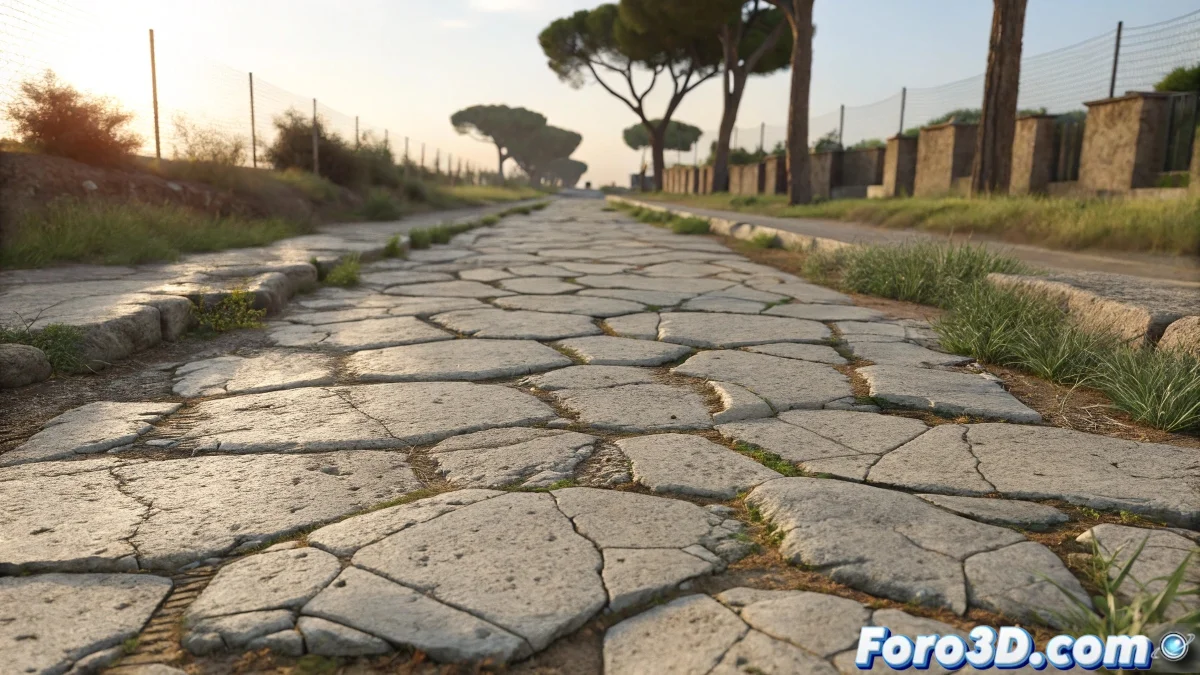
When Romans Built to Last (and 3D Proves It) 🏛️
While our modern roads need repairs every winter, a Roman road in Córdoba has been patiently waiting 2,000 years for us to scan it in 3D. This newly discovered 1,160-meter stretch is being digitized with cutting-edge technology, proving that Roman engineers not only built to last, but perfectly modelable in Blender. 🚧
What the legionaries trod and the chariots traversed, drones now capture and polygons recreate with millimeter precision.
21st Century Technology for 1st Century Engineering
The documentation process combines:
- 3D laser scanners to capture every stone and groove
- Aerial photogrammetry with drones that map the entire layout
- Specialized software that merges all data into a coherent model
The result is so precise it even shows the marks from Roman chariot wheels... and perhaps a forgotten sandal print. 👣
Virtual Analysis of Millennial Engineering
With the 3D model, experts can:
- Study Roman construction techniques in detail
- Simulate wear over the centuries
- Test conservation solutions before applying them physically
It's like a time machine, but with better rendering and less risk of temporal paradoxes.
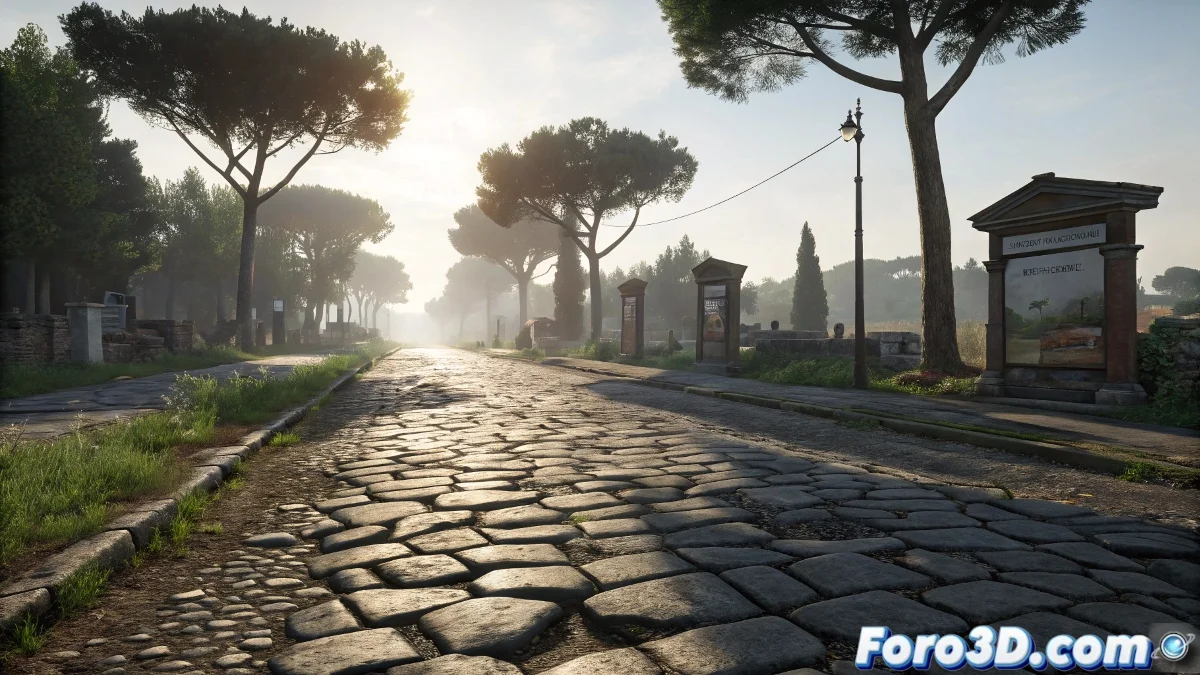
Walking Through History with a Click
This digitization opens fascinating possibilities:
- Virtual tours that allow "walking" along the original Roman road
- Educational applications that show the construction process
- Historical recreations of caravans and ancient travelers 🐎
All without leaving the armchair or risking sunstroke like the poor legionaries.
A Legacy Connecting Eras
This project demonstrates how 3D technology can bridge the past and future. While the Romans left us roads that still endure, we return the favor with digital models that will ensure their memory for centuries... or at least until the file format changes. 💾
Now, if someone finds the original Roman construction manual, please share it... it's sure to be in Latin, but Google Translate will do what it can.