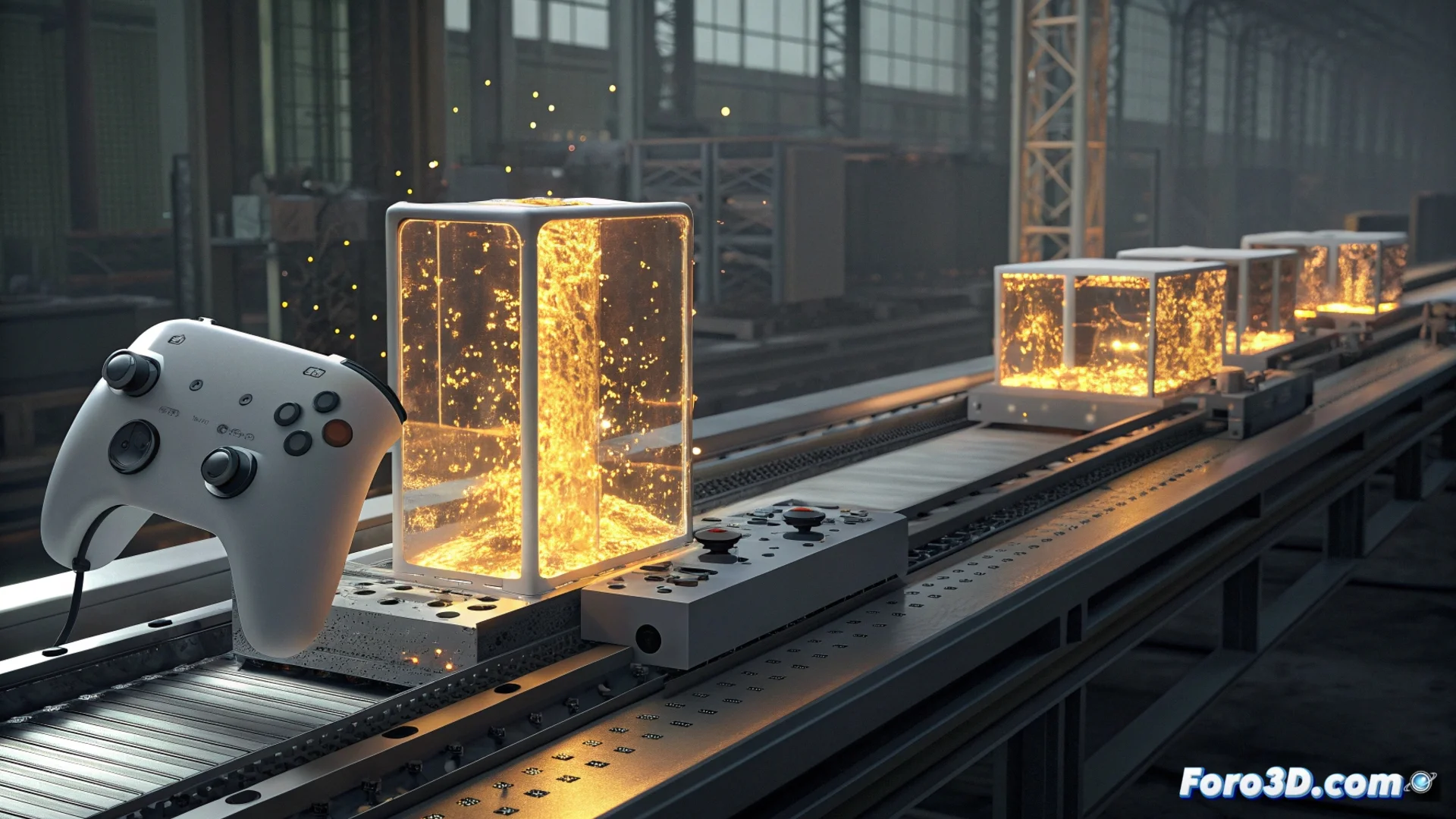
RAM Shortage Could Delay Next-Generation Consoles
The video game industry faces an unforeseen challenge that jeopardizes its roadmap. The debut of the PlayStation 6 and the next Xbox, originally scheduled for the 2027-2028 window, now faces the real possibility of a delay. The core of the problem is a severe global shortage of RAM memory, a critical component whose availability has been strangled by the explosive demand from another sector. 🤯
Artificial Intelligence Competes for Components
The need for high-speed memory to train and run complex AI models has grown uncontrollably. This demand absorbs a huge portion of worldwide manufacturing capacity, causing RAM module prices to skyrocket. For giants like Sony and Microsoft, this scenario poses a major dilemma. Proceeding with initial plans means risking consoles with an excessively high retail price or, worse still, being unable to produce them in the massive volumes their business model requires. 💸
Direct effects on console hardware:- Substantial increase in the manufacturing cost of the main unit.
- Possible stock shortages from the first day of launch.
- Difficulty in designing powerful hardware while maintaining a competitive price.
The future of the console generation may depend more on the ability to manufacture memory than on designing a revolutionary graphics chip.
Companies' Strategy: Wait or Risk?
Faced with this situation, manufacturers are seriously considering postponing the launch of their new platforms. The clear goal is to wait for memory availability to improve and costs to stabilize. This approach would allow designing consoles with the expected power without the final price straying from the mass consumer segment. A delay, though not the preferred option, is seen as a more prudent move than releasing products with limited availability or a cost that alienates the player base. ⏳
Factors companies must weigh:- The optimal timing to secure stable supply chains.
- The market reaction and competitors to a possible delay.
- Balancing technological innovation with economic viability.
An Unusual Competitive Landscape
While the fan community debates teraflops and new architectures, the real battle for basic components is fought on a different playing field. Now, console manufacturers not only compete with each other but also against huge tech companies deploying large-scale AI servers. This competition for finite resources redefines priorities and could dictate the pace of the next generation of interactive entertainment. The shortage of a seemingly common component like RAM demonstrates how interconnected today's tech industries are. 🎮⚙️