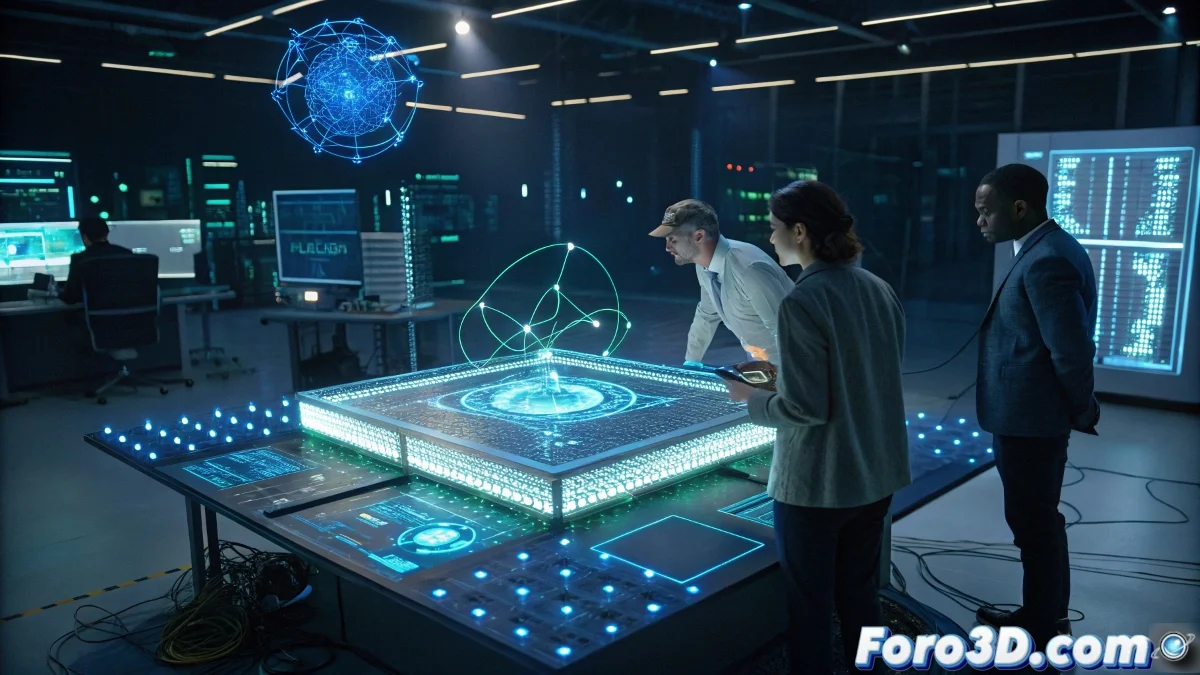
Qubits: The Bits That Learned Quantum Magic
While traditional bits settle for being boring zeros and ones, qubits are revolutionizing computing with their quantum tricks. These little rebels can be in multiple states at once and connect with each other in ways that would make a classical physicist cry. And the best part: their number is growing faster than your to-do list. ⚛️
"Qubits are like quantum teenagers: they do the opposite of what you expect and are impossible to control"
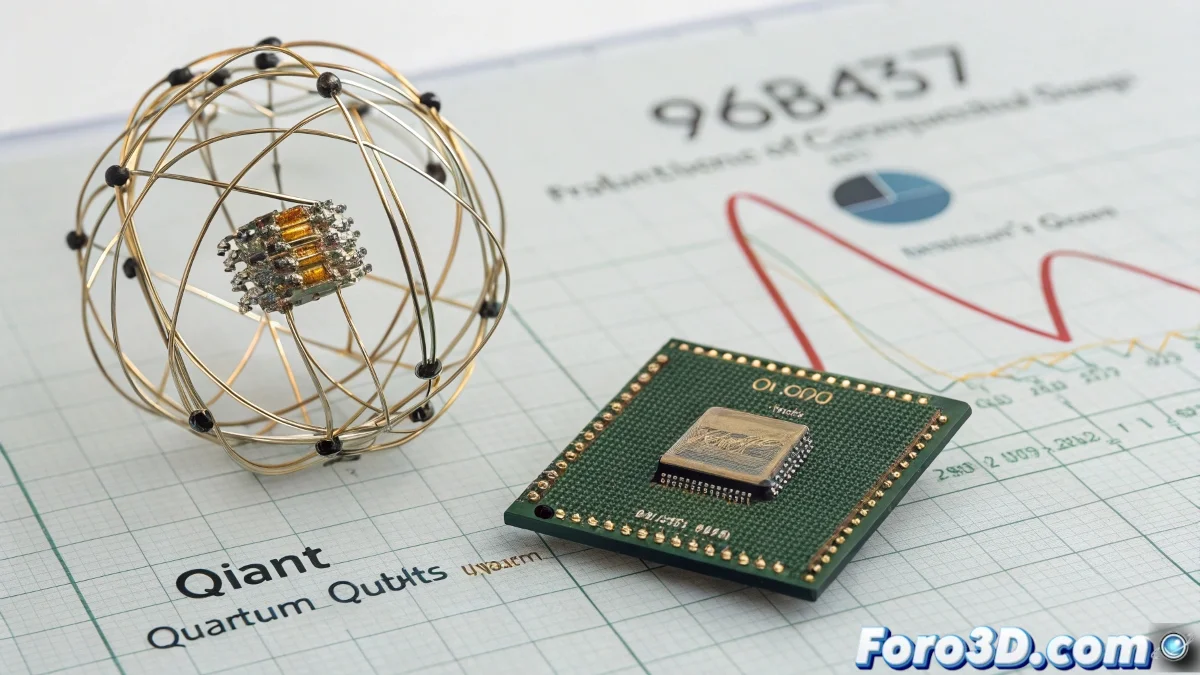
From Moore to Quantum: The Evolution Continues
The famous Moore's Law is getting a quantum update:
- 1965: Gordon Moore predicts the exponential growth of transistors
- 2020s: Qubits decide they can do it better (and weirder)
- Result: A race to entangle more and more quantum particles
Why Qubits Are the New Rockstars
These quantum particles have characteristics that make them special:
- Superposition: They can be 0, 1, or both at the same time (like not deciding what to order at a restaurant)
- Entanglement: Instant connections that would make social networks pale
- Instability: They are more delicate than a house of cards in an earthquake
The amazing thing is that the number of entangled qubits has nearly doubled in the last year, demonstrating that in the quantum world, normal rules don't apply. 🎢
The (Quantum) Future Awaits Us
More qubits mean amazing possibilities:
- Solving problems that would paralyze traditional supercomputers
- Molecular simulations to discover new drugs
- Cryptography that will make hackers reconsider their careers
But don't expect a quantum computer on your desk anytime soon. These machines require more extreme conditions than an opera diva: temperatures near absolute zero and isolation from any interference. For now, we'll keep using our boring classical bits to watch memes and shop online. 💻😅