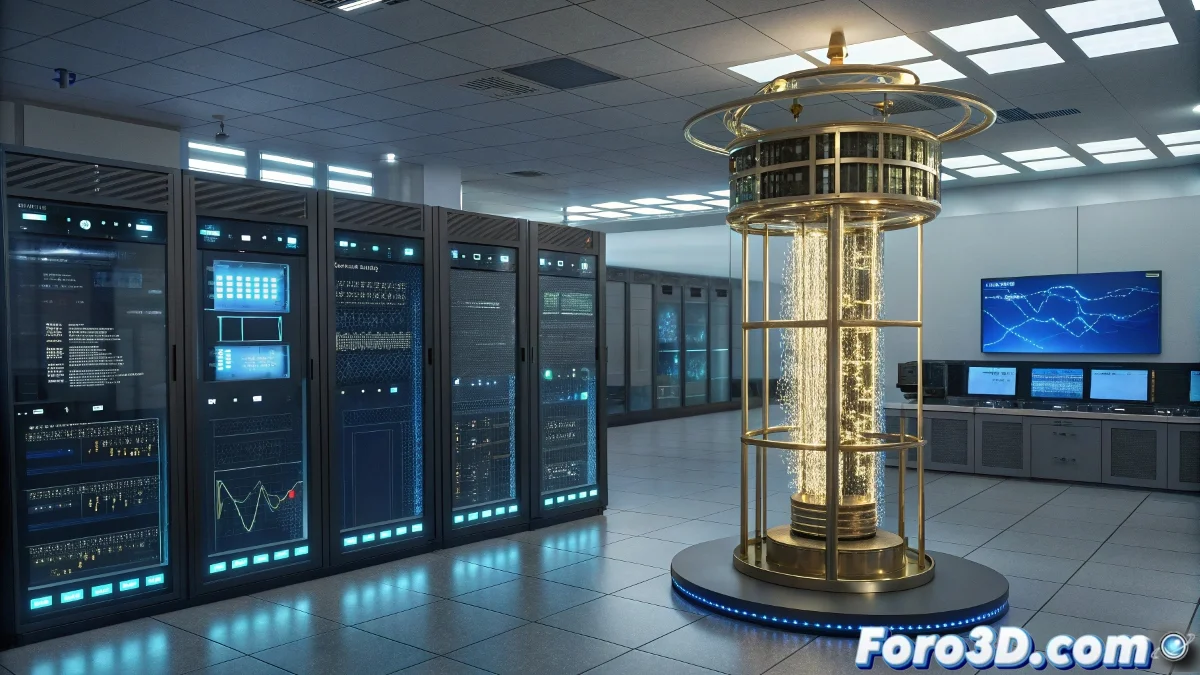
The Quantum Future Where Your "123456" Password Will No Longer Be Secure
Imagine a world where computers can break any encryption in seconds. It's not the plot of a science fiction movie, but the possible future posed by quantum computing. According to researchers, with just one million well-behaved qubits (which isn't asking for much, right?), the RSA algorithm that protects everything from your bank to your favorite memes could become obsolete. 💻
Classical Bits vs Qubits: The Battle of the Century
While traditional bits are like switches (on or off), qubits are more like those indecisive friends who can't decide whether to go to the movies or stay home. They can be in superposition (0 and 1 at the same time) and entangle with each other. This allows them to perform calculations at speeds that would make any current supercomputer cry. 🚀
"Quantum computing isn't just faster, it's like going from riding a bicycle to teleporting" - explained no serious scientist ever.
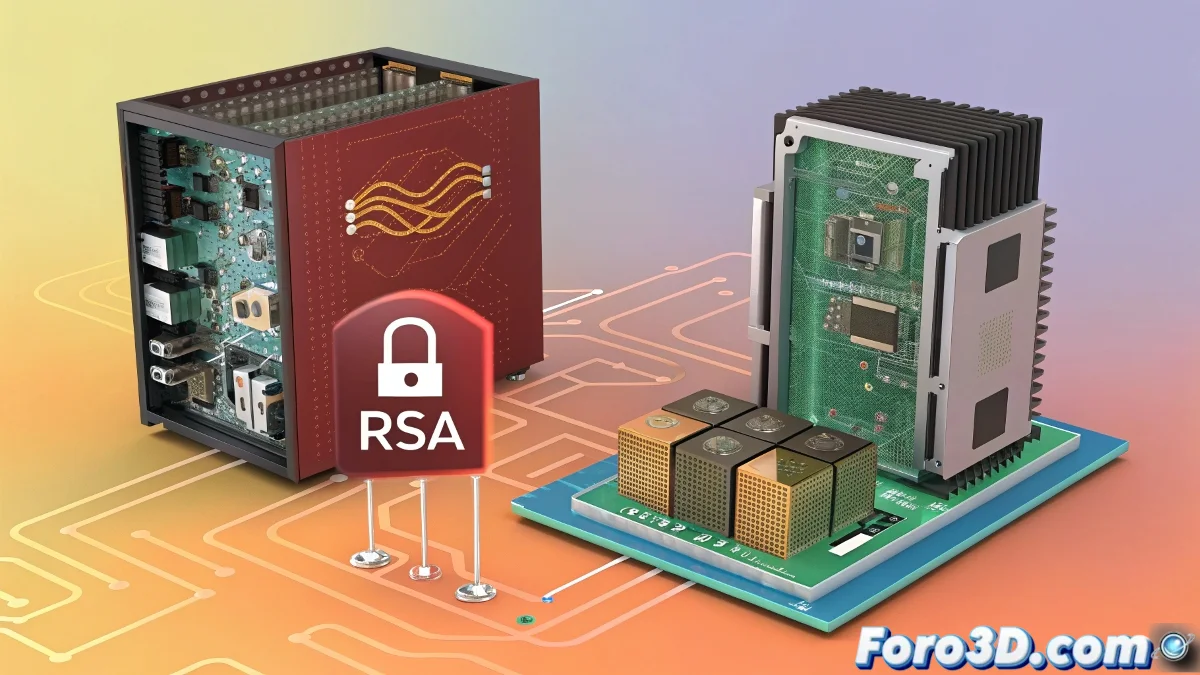
The Main Players in This Quantum Race
Currently, there are several approaches to building these machines of the future:
- Superconductors: IBM and Google lead with chips that operate at temperatures colder than your ex.
- Trapped Ions: Like magnetic cages for atoms, the specialty of IonQ.
- Photons: Particles of light that could be the basis of a quantum internet.
Why This Should Matter to You (Even If You're Not a Physicist)
The arrival of quantum computing poses fascinating challenges for designers and content creators:
- Visualizing abstract concepts like quantum superposition
- Designing interfaces for post-quantum security systems
- Creating attractive representations of cryogenic hardware
And while scientists try to tame these quantum systems, digital artists face the challenge of making them look as cool on screen as they do in theory. After all, what good is a technological revolution if it doesn't have good lighting and special effects? ✨
So next time you change your password, remember: in a few years, quantum computing might crack it in seconds. But don't worry, by then we'll probably have forgotten all our passwords anyway. 😅