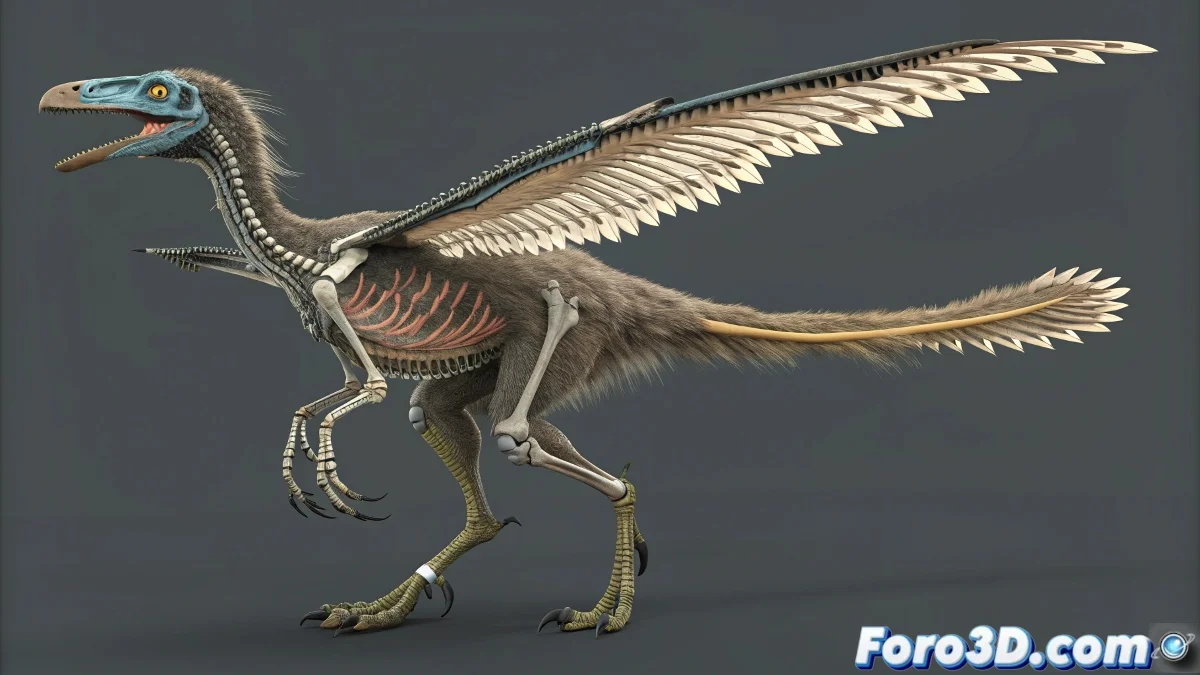
The Art of Bringing Digital Beasts to Life
Diving into quadruped rigging is like becoming a digital surgeon for prehistoric creatures 🦖. Unlike bipeds, these beasts require a deep understanding of unique anatomy, where front and rear limbs, a flexible spine, and an expressive tail demand a specialized structure of bones and controllers. The ultimate goal is to create a system that allows animating from a smooth trot to an agile jump with absolute naturalness.
Breaking Down a Beast's Skeletal Architecture
The spine of any effective quadruped rig is its bone hierarchy. A typical system incorporates an FK/IK Switch for the legs, giving the animator freedom to switch between forward and inverse kinematics animation as needed. 🦴 Dedicated controllers for the spine and tail allow those arches and fluid movements that so characterize animals. Don't forget to add Foot Roll and specific controls for elbows and knees, which greatly simplify the animation of steps and supports.
A quadruped rig without a good hierarchy is like a disarticulated skeleton in a museum, interesting but totally useless for moving.
From Simple to Complex: A Layered Approach
Patience is a virtue in rigging. Always start with a solid base and add complexity layer by layer. Prioritize the core of movement:
- Main leg system: set up FK/IK controls and foot roll for all four limbs.
- Flexible spine: implement bones and controllers for the backbone, crucial for organic movement.
- Articulated tail: add bones and controllers to achieve balance and expression.
- Final refinements: integrate the head, neck, and any necessary muscle or facial deformation.
Workflow and Best Practices
Maintaining sanity during the process is easier with clear and descriptive nomenclature for all bones and controllers. 🔧 Before diving deep into weight painting (Weight Paint), test the rig with basic animations—a walk or a trot—to identify and fix deformation or kinematic issues. Use references from real animal videos; they are the best compass for achieving realism. Remember, a powerful rig is invisible, allowing the animation to shine on its own.
In the end, mastering quadruped rigging turns you into a wizard capable of bringing any creature from your imagination to life. And if your microraptor ends up running like a duck, you can always say it's a newly discovered species 😉.