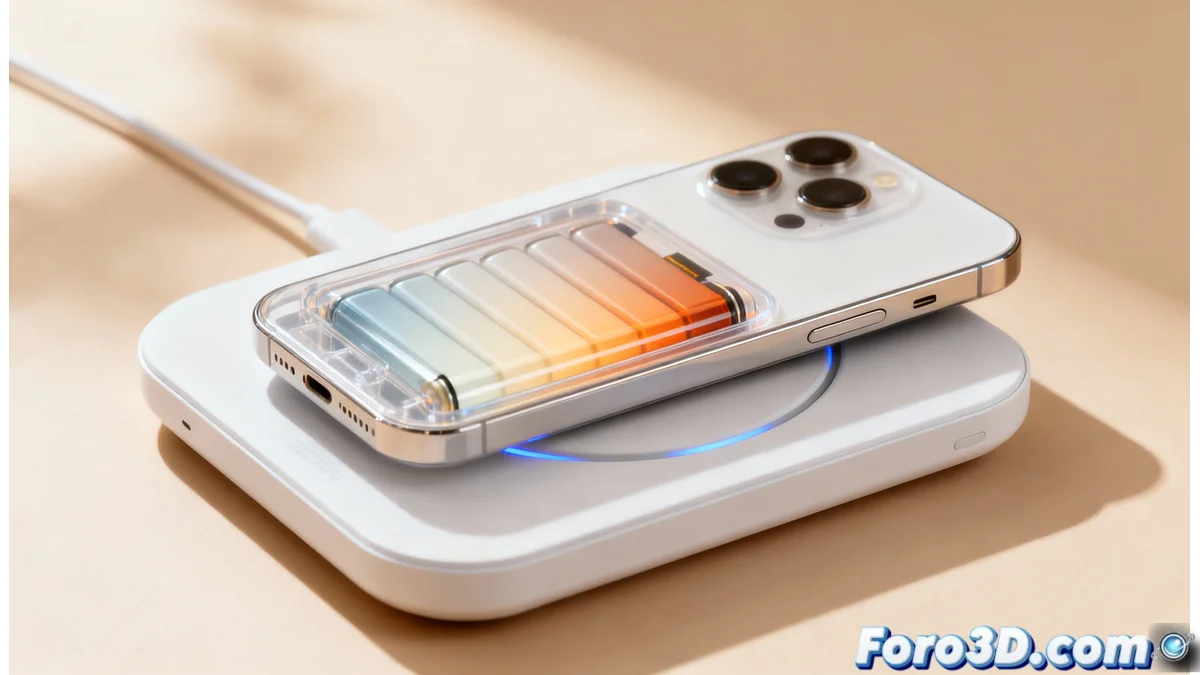
Qi Wireless Charging and Its Impact on Lithium-Ion Battery Degradation
The wireless charging technology based on the Qi standard has become a popular option due to its convenience by eliminating physical connections, but it hides a concerning side effect: accelerated degradation of lithium-ion batteries. This problem mainly arises from the heat generated during energy transfer via electromagnetic induction, which increases the device's internal temperature and activates harmful chemical reactions within the cells 🔋.
Mechanisms of Thermal Degradation
Lithium-ion batteries operate optimally within a moderate temperature range. Continuous exposure to heat during wireless charging triggers accelerated electrolyte decomposition and promotes deposit buildup on the electrodes. This progressive chemical deterioration reduces the energy storage capacity over time, requiring more frequent recharges and shortening the smartphone's lifespan. Research reveals that just a 10 °C increase in operating temperature can double the degradation rate.
Critical Factors in Degradation:- Residual heat generation due to efficiency losses in wireless transfer
- Accelerated chemical decomposition of the electrolyte and formation of layers on the electrodes
- Permanent reduction in charging capacity and device autonomy
The irony of wireless charging: we pay for the convenience of avoiding cables, but end up charging the phone more frequently due to premature battery deterioration.
Comparison with Wired Charging
Compared to wired charging, which is generally more efficient and generates less residual heat, current wireless technology exhibits significant energy losses that directly convert to heat inside the device. While a modern wired charger keeps the smartphone relatively cool, wireless charging typically raises the surface temperature by an additional 5 to 10 degrees, especially in cases of misalignment between the charger and phone or when using thick protective cases.
Key Differences Between Both Methods:- Superior energy efficiency in wired charging versus higher losses in wireless
- Lower heat generation with traditional chargers compared to significant thermal increases in Qi
- Direct impact on battery longevity: greater degradation with prolonged wireless charging use
Final Reflections on Convenience
The immediate convenience of cable-free charging contrasts with the long-term consequences for battery health. Users must weigh whether the practicality of not plugging in a cable justifies the progressive reduction in autonomy and the need to replace the battery sooner than expected. Future advances in efficiency and thermal dissipation could mitigate these effects, but for now, wired charging remains the most conservative option for preserving the device's lifespan 📱.