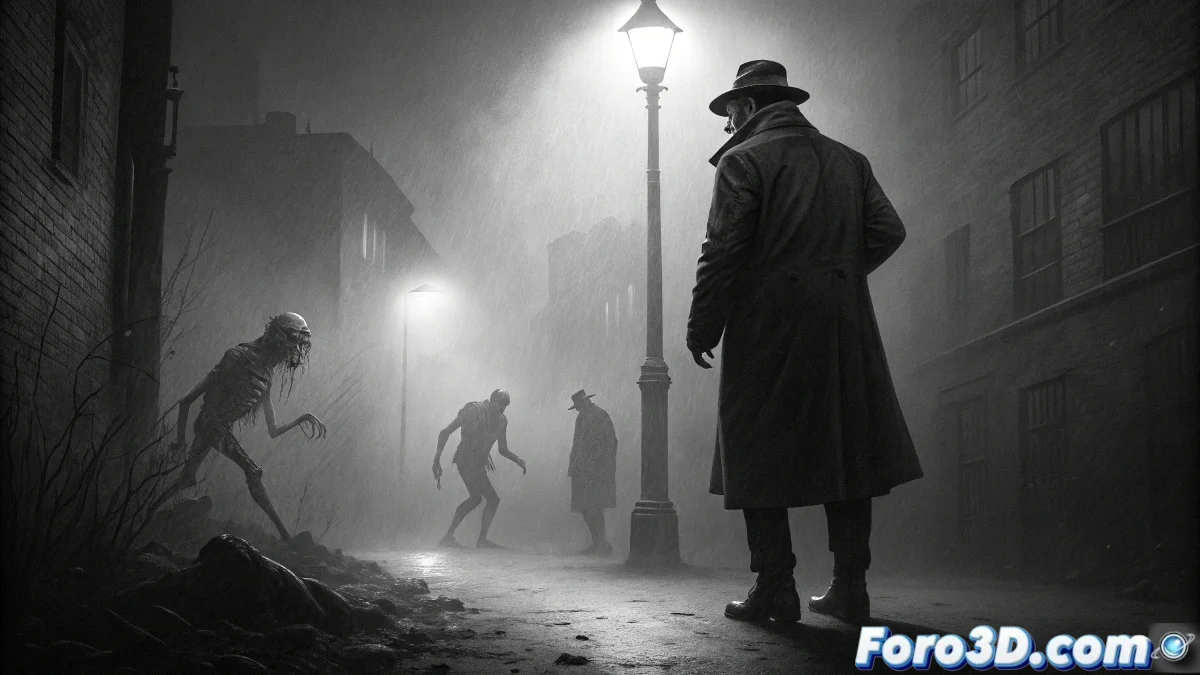
Pulphead: the innovative fusion of noir horror and pulp terror in the indie comic
In the landscape of independent comics, Pulphead stands out as a work that redefines the boundaries of psychological horror through a masterful combination of classic and contemporary aesthetics. This creation immerses the reader in universes where the sinister and the morally ambiguous intertwine in an unsettling way 🕵️♂️.
Revolutionary visual aesthetic
The graphic language of Pulphead is characterized by its extremely expressive monochromatic palette, where shadows not only define forms but also mental states. The granular texture and exaggerated chiaroscuro build an atmosphere that seems to breathe urban anguish and existential decay.
Distinctive visual elements:- Panel composition simulating deteriorated pulp magazine pages
- Characters designed with expressionist silhouettes and distorted features
- Architectural backgrounds reflecting corroded urban psychology
The shadows in Pulphead are not the absence of light, but tangible presences that whisper macabre secrets
Narrative that transgresses genres
The narrative structure challenges conventions through a rhythm that alternates between noir suspense and the most visceral supernatural horror. Dialogues function as sharp daggers that tear apart the characters' sanity, while situations evolve toward disturbing surrealist territories.
Narrative innovations:- Antiheroic protagonists with questionable morality and deep traumas
- Temporal transitions that break linearity to increase disorientation
- Lovecraftian creatures reinterpreted through contemporary noir lenses
Legacy and cultural impact
Pulphead has catalyzed a creative movement within the indie scene, demonstrating that classic genres can be reinvented without losing their dark essence. Its influence extends beyond comics, inspiring transmedia projects that explore a similar fusion of aesthetics and narratives 🎭.