UNESCO Protects Vietnam's Dong Ho Folk Paintings
The UNESCO Intergovernmental Committee made a key decision during its meeting in Paraguay: to include the craft of creating Dong Ho paintings on the list of intangible cultural heritage in need of urgent safeguarding. This recognition underscores the unique value of a practice that is now struggling to survive. 🎨
A Handcrafted Technique with Deep Roots
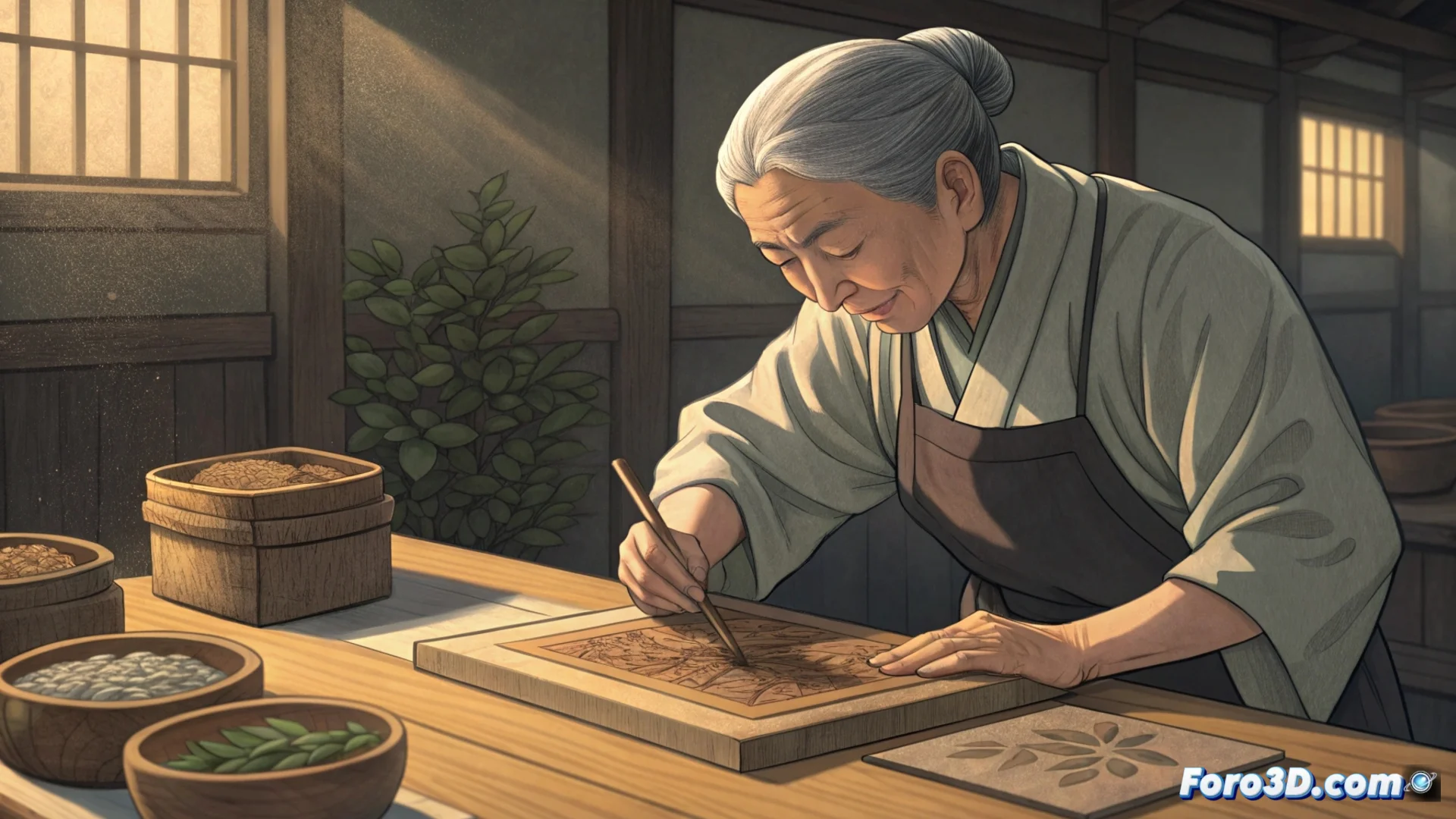
To produce these works, artisans carve wooden blocks that they then use to stamp images onto Dó paper. The pigments do not come from a tube; they are extracted from completely natural materials like crushed shells, indigo leaves, or bark from specific trees. Each print conveys wishes for good luck, reflects ethical values, or captures scenes from rural life.
Key Features of the Dong Ho Process:- Paper Preparation: The Dó paper is treated with ground oyster shells to achieve a smooth and durable surface.
- Color Sourcing: Each shade has a distinct natural origin, creating a unique and eco-friendly palette.
- Knowledge Transmission: The complete know-how, from preparing materials to printing, is passed from masters to apprentices, usually within families.
“Perhaps the greatest challenge is not carving the wood, but carving a future for those who work it.”
The Path After Recognition and Obstacles to Overcome
Vietnamese authorities, led by Bac Ninh province, submitted the nomination. They now must implement a safeguarding plan required by UNESCO. This plan must address critical issues that threaten the continuity of this art.
Priority Actions in the Protection Plan:- Document the Techniques: Systematically record all steps and secrets of the craft to prevent their loss.
- Support the Artisans: Create mechanisms so that masters can earn a living from their work and keep the tradition alive.
- Promote Generational Renewal: Encourage young people to learn and dedicate themselves to this craft, ensuring its transmission.
A Future That Depends on Action
Inscription on the UNESCO list is a starting point, not a goal. The real work lies in implementing the agreed measures to combat the scarcity of natural raw materials and the decreasing number of practitioners. The ultimate goal is clear: to ensure that this cultural expression does not disappear and retains its vital role in the community, especially during celebrations like Lunar New Year, where these paintings wish prosperity to homes. 🏮