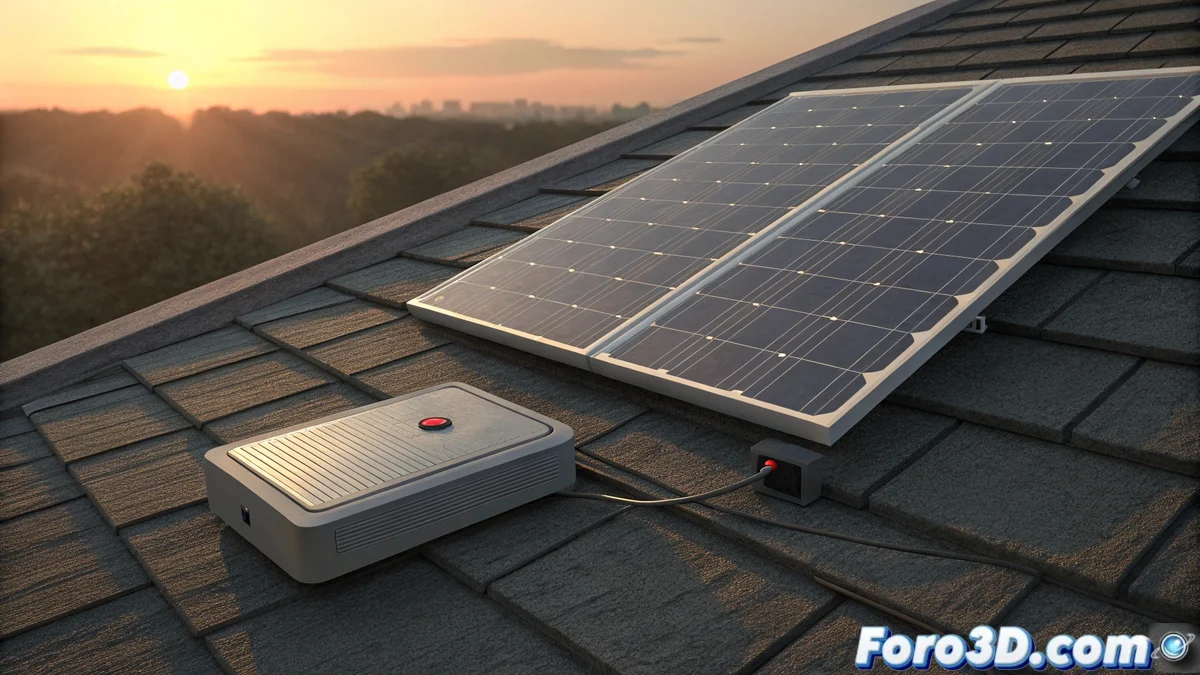
Proprietary Microinverters Can Leave Solar Panels Inoperable
Many solar installations use microinverters from a single manufacturer, one for each panel. Although this modular approach can optimize individual performance, it creates a dangerous technological dependency. If a device fails years later and its creator is no longer operating or has updated its catalog, finding an identical replacement becomes nearly impossible. The result is that one or more panels stop producing energy, reducing the efficiency of the entire installation. ⚡
The Core of the Problem: Obsolescence and Vendor Lock-in
The real drawback is unplanned obsolescence. Manufacturers typically design their microinverters with communication protocols or exclusive physical connectors. This strategy prevents installing a device from another brand to replace the failed one, permanently tying the user to that supplier for spare parts. The situation worsens if the company goes bankrupt or decides not to support older models. 🔒
Direct consequences of this lock-in:- Technical incompatibility: You cannot mix brands or generations of devices.
- Loss of investment: Functional panels become useless due to a small component.
- Lack of autonomy: Your system depends on the continuity of a single manufacturer.
A solar panel of the future could become an expensive roof ornament, a monument to technology that no one manufactures anymore.
Strategies to Protect Your Photovoltaic Installation
To avoid this scenario, it is vital to research before buying. You must ask about the future availability of spare parts and the brand's long-term support policy. Opting for manufacturers with a solid track record and an open or standardized ecosystem significantly reduces the risk. 🛡️
Key actions to mitigate the risk:- Prioritize open standards: Look for brands that guarantee interoperability between their own product generations.
- Consider alternatives: Evaluate systems with central inverters, which, although they have other failure points, avoid modular dependency.
- Demand support guarantees: Include clauses in the installation contract regarding future spare parts availability.
Conclusion: The Choice Defines Longevity
The initial decision about the equipment determines the lifespan of the entire solar installation. A proprietary microinverter may offer advantages today, but it also represents a patrimonial risk tomorrow. Protecting your investment requires choosing technologies that prioritize sustainability and long-term freedom of choice, avoiding your roof ending up decorated with expensive technological scrap. ✅