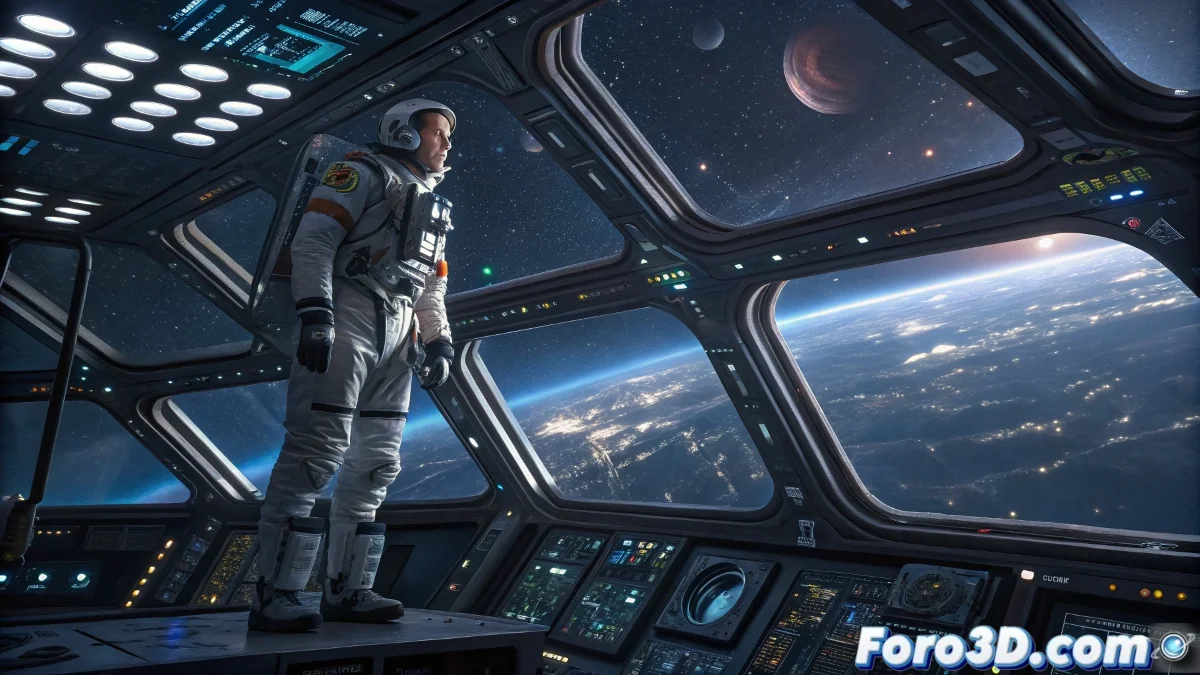
When Outer Space is Created from a Computer
Project Hail Mary takes space visual effects to new limits, demonstrating that in modern cinema even the void of the cosmos is rendered. 🌌 The collaboration of studios like Framestore and ILM has created a universe where every star, every floating particle, and every zero-gravity effect contributes to the narrative. And all this while Ryan Gosling tries to remember why he's alone in a spaceship (spoiler: it's not because of a bad wake-up).
The Dream Team of Space VFX
The visual magic was achieved through:
- Digital Environments: Creation of space scenarios with Houdini and Maya
- Physical Simulations: Zero gravity and hyperrealistic astronomical phenomena
- Perfect Integration: Combination of physical sets with CGI using Nuke
Technology in Service of Space Drama
The technical challenges included:
- Simulation of fluids in weightlessness
- Creation of believable alien creatures
- Precise space lighting using Arnold
"In Project Hail Mary, every rendered frame is a small step for VFX, but a giant leap for science fiction"
Final Reflection with a Cosmic Touch
While Ryland Grace tries to save Earth, the VFX artists demonstrate that saving a movie requires as much talent as saving a planet. 🌍💻 That said, with the advantage that when something goes wrong in the visual effects, you can always restart the render... something that Ryland, poor guy, can't do with his mission. At least until they invent Ctrl+Z for astronauts.