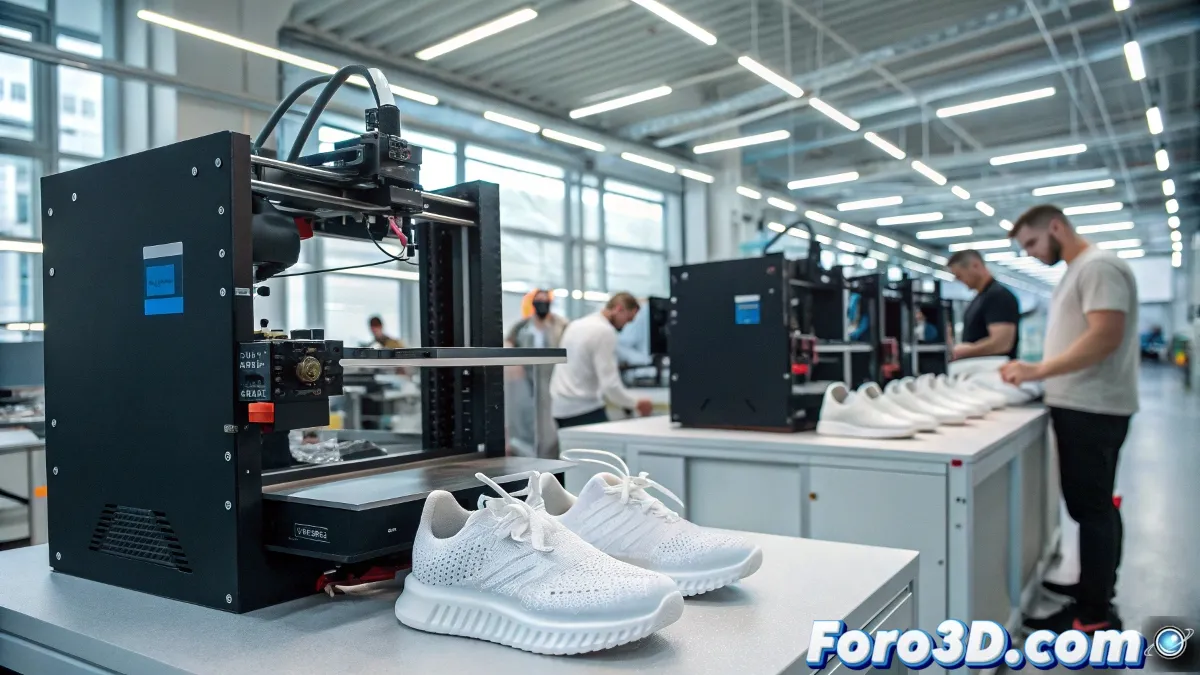
Innovation in Footwear Manufacturing through 3D Printing
The company Zellerfeld, with presence in Germany and the United States, is taking a step forward in the production of customized shoes using 3D printing technology. Its model focuses on creating footwear adapted to the unique morphology of each foot, which has generated an increase in demand. To respond to this growth, the company plans to scale its operational capacity, multiplying the number of printers in use.
Strategic Alliance for Industrial Expansion
Zellerfeld has established a collaboration with the Fraunhofer IAPT institute, specialized in advanced manufacturing. During an analysis period, bottlenecks in the current production were identified and solutions were proposed to optimize resources. Among the aspects evaluated are:
- Intelligent distribution of space in production plants
- Compliance with industrial safety regulations
- Selection of strategic locations for new facilities
Technological Growth Objectives
The development plan contemplates an exponential increase in manufacturing capacity, going from hundreds to thousands of printing units. Lennard Stoever, co-founder of Zellerfeld, highlighted the importance of this advancement: "The technical advice allows us to build our expansion on solid foundations". This quantitative leap requires meticulous planning to maintain quality and efficiency standards.
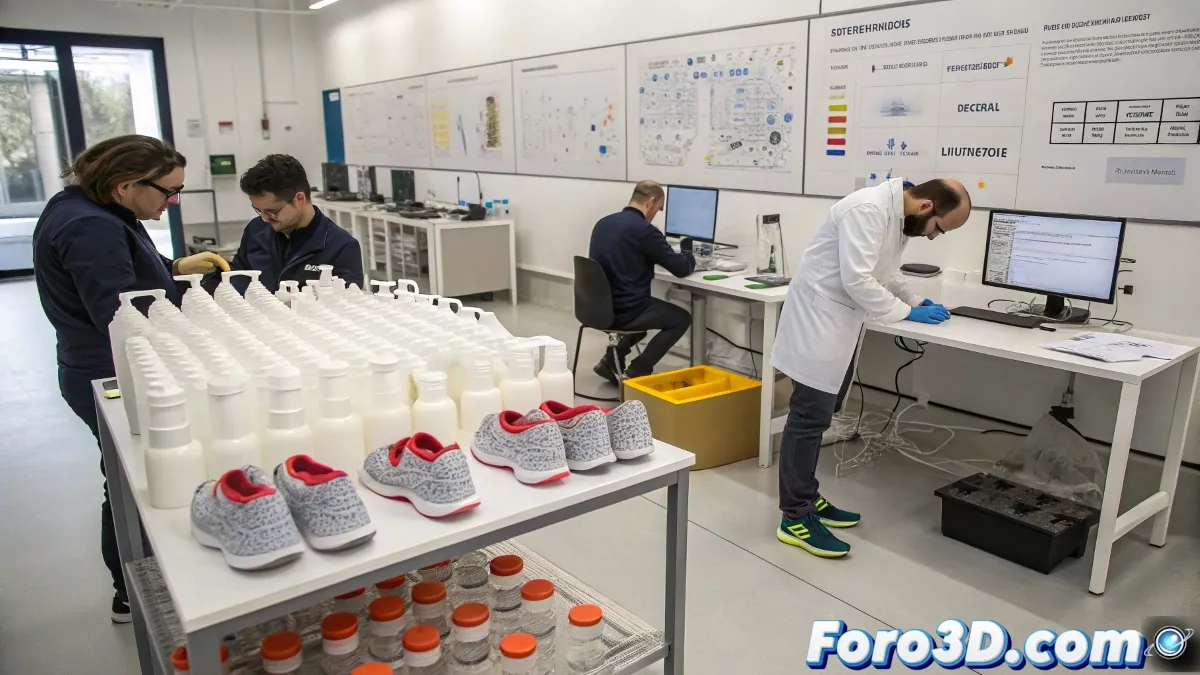
Integration of Specialized Knowledge
The project has involved close cooperation between the technical teams of both organizations. Fraunhofer IAPT contributed its expertise in additive manufacturing to:
- Optimize digital design processes
- Improve logistics planning
- Implement quality control systems
This synergy has enabled the creation of a scalable production model that could transform the customized footwear sector.
Perspectives on Digital Manufacturing
Zellerfeld's evolution represents a milestone in the industrial application of 3D printing. What began as artisanal production of unique pieces is now transforming into a system capable of meeting massive demands. This case demonstrates how emerging technologies can adapt to revolutionize traditional processes, opening new possibilities in various manufacturing fields.