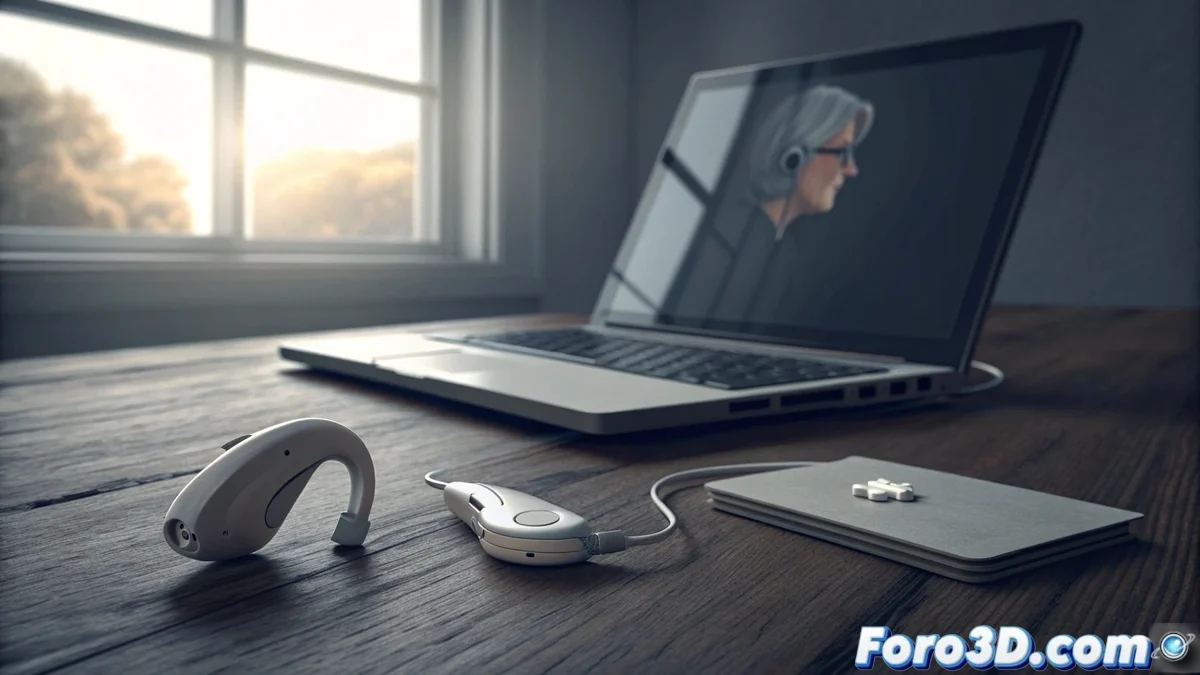
Programmable Digital Hearing Aids Face Obsolescence Due to Software
Current digital hearing aids are complex medical devices that require specific software to adjust their operation. This program is usually proprietary and locked, restricting its use only to the audiologist or clinic that sold the device. This practice creates total user dependence on that provider for any configuration changes. 🔒
The Dilemma When Changing Professionals or Hearing Centers
The main problem arises when the user needs or wants to change audiologists. If the original professional retires, the clinic closes, or the patient simply chooses another center, they may encounter a technical barrier. The new specialist may not be able to access the necessary software to reprogram the devices, as each manufacturer or distributor uses its own closed systems. This turns a thousands-of-euros investment into a useless device, unable to adapt to changes in the user's hearing or new needs. 💸
Direct Consequences for the User:- Total loss of investment in high-end technology.
- Impossibility of optimizing the device for the evolution of their hearing loss.
- Lack of freedom to choose a professional or center offering better service or price.
A device designed to improve autonomy can end up creating a new dependence, this time technological and commercial.
The Absence of Open Standards and Vendor Lock-in
The hearing industry has not adopted a universal open standard that allows any authorized professional to access and adjust hearing aids. This strategy, known as vendor lock-in, prioritizes customer loyalty to a brand or clinic over freedom of choice and product durability. The user is tied for life to the original provider if they want to keep their purchase functional, nullifying market competition and alternatives. ⛓️
Limitations Imposed by This Practice:- Restricts competition between professionals and hearing centers.
- Artificially shortens the lifespan of a hardware device that could last many more years.
- Generates planned obsolescence based on software, not physical wear.
An Unanticipated Dependence for the User
Thus, what is marketed as an advance to improve quality of life and independence can lead to an unforeseen bondage. The patient, when buying, usually does not perceive that they are acquiring a closed system that will bind them indefinitely to a single provider for basic tasks like increasing the volume or adjusting frequencies. This situation raises serious questions about consumer rights, ethics in medical device design, and the need for regulation to protect the end user. ⚖️