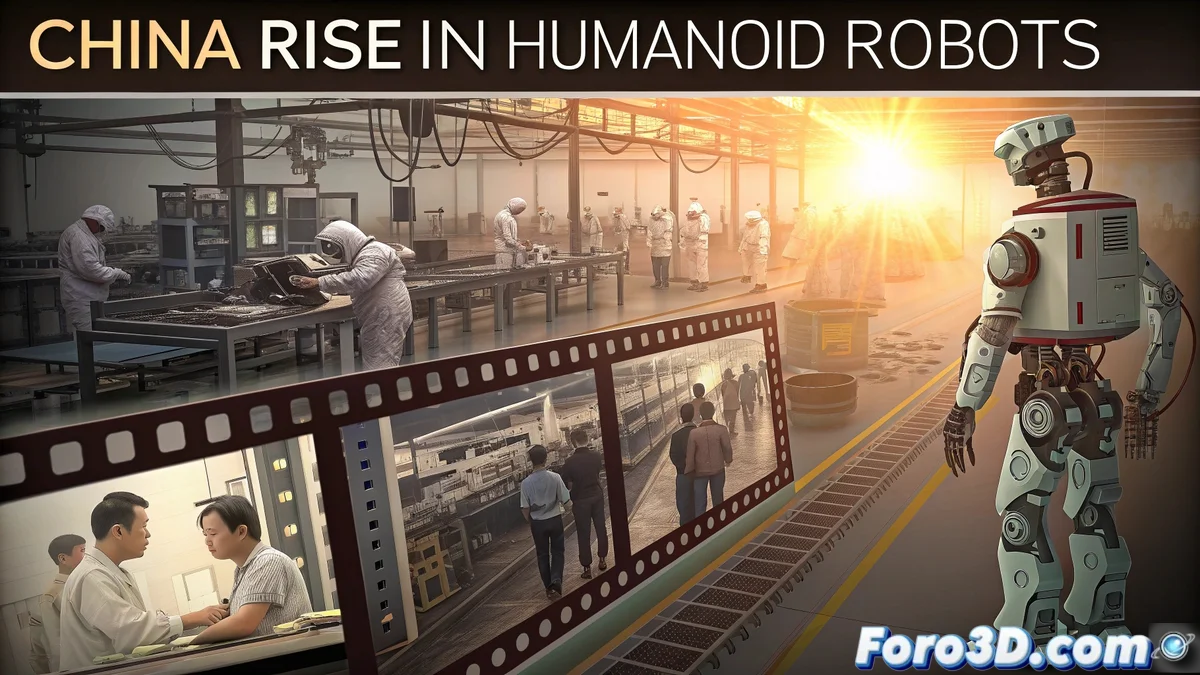
When Editing Meets the Robotic Revolution
China is massively investing in AI humanoid robots, transforming industries and sparking debates about the future of work. 🤖🏭 In Premiere Pro, we can create a documentary video that captures this transformation, combining striking images of automated factories with critical analysis of the social implications of this technological revolution. Editing allows weaving multiple perspectives into a coherent and visually compelling narrative.
Initial Project Setup
Upon opening Premiere Pro, a new project is created with a 1920x1080p sequence at 25 fps, ideal for documentary content. Bin organization is essential: Material_Robots, Interviews, Graphics, B-Roll, and Audio keep the workflow orderly. Saving as robots_china_premiere.prproj ensures the entire structure is preserved… because in documentary editing, organization is as important as the narrative.
Building the Visual Narrative
The initial sequence sets the tone with wide shots of ultra-modern Chinese factories, followed by close-ups of humanoid robots in action. 🎬 Rhythms alternate between fast-paced for technical sequences and slower moments for interviews and reflection, creating a dynamic flow that maintains engagement. Transitions are chosen carefully—chain dissolves for smooth changes, abrupt cuts for impactful emphasis.
Technological documentary editing doesn't just inform; it builds interpretive frameworks that help the audience process disruptive changes, balancing technological wonder with critical questioning.
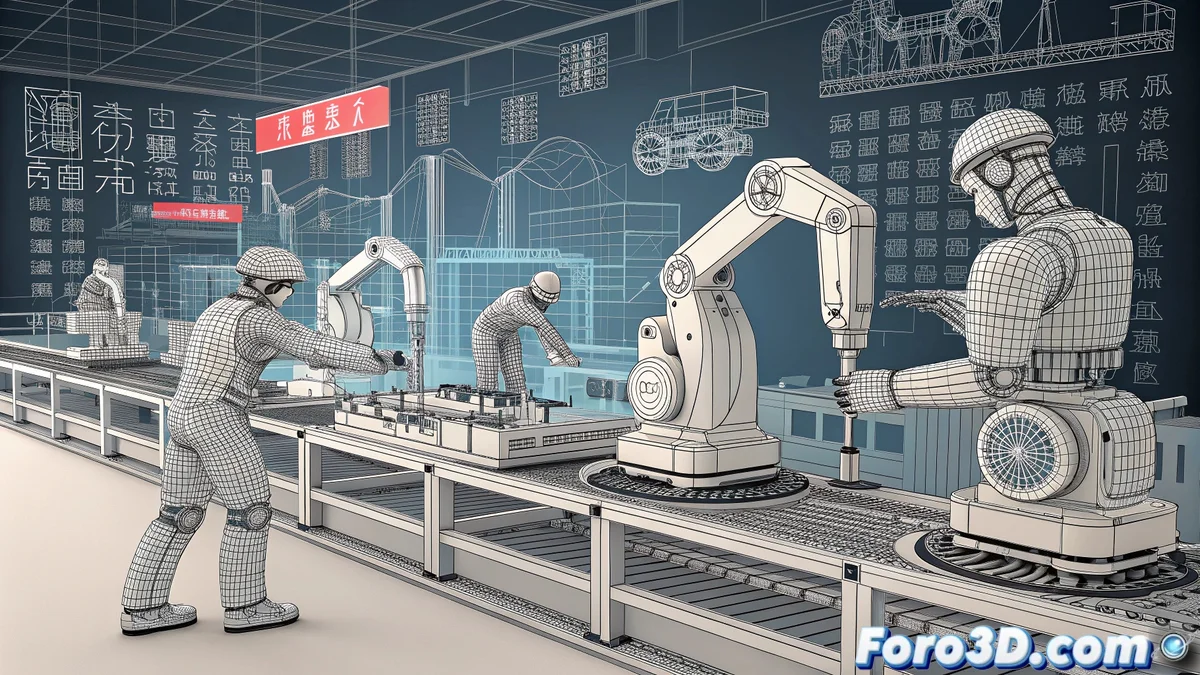
Implementation of Graphics and Data
Elegant lower thirds are created to identify AgiBot and MagicLab executives, using modern fonts and colors aligned with Chinese corporate identity. 📊 Investment data—billions in subsidies—is visualized with animated graphics in Essential Graphics, using growth bars and on-screen updating percentages. These elements are integrated subtly, never dominating the image but reinforcing key information.
Color Correction and Atmosphere Techniques
- Thematic Grading: A cold look with blue and gray tones is applied to industrial sequences, while human interviews receive warmer tones for emotional contrast.
- Rhythm Manipulation: Robot working sequences are slightly sped up to convey efficiency, and human-robot interaction moments are slowed down to emphasize the uncanny valley.
- Transition Effects: Digital interference and glitches are added to passages discussing ethical risks, metaphorically visualizing the system's "flaws."
Sound Design and Music
The soundtrack combines futuristic electronic themes with factory ambient sounds—hydraulic engines, servomotors, synthetic voices. 🎧 The mix is balanced so the music never overshadows the interviews, using audio keyframes to fade during crucial statements. Subtle sound effects—metallic clicks, precision hums—are added to enhance immersion during robotic sequences.
Export and Distribution
Export is done in H.264 with a bitrate of 15-20 Mbps for a balance between quality and file size, optimized for digital platforms. 🌐 Versions with subtitles in multiple languages are generated for global reach, critical for a topic of international interest. Metadata includes relevant keywords to improve discoverability on platforms.
Beyond the Video
This project can be extended to social media content—short clips of robots in action, viral data graphics—maximizing the impact of the original material. 📱 Premiere's modular structure allows efficient reuse of assets for multiple formats and platforms.
Thus, while China accelerates toward its automated future, we can edit, critique, and reframe that future from multiple angles… without a single algorithm telling us how to do it. Because in Premiere, the only allowed bot is the rendering one. 😉