When Algorithms Play at Being Digital Gods 🌍✨
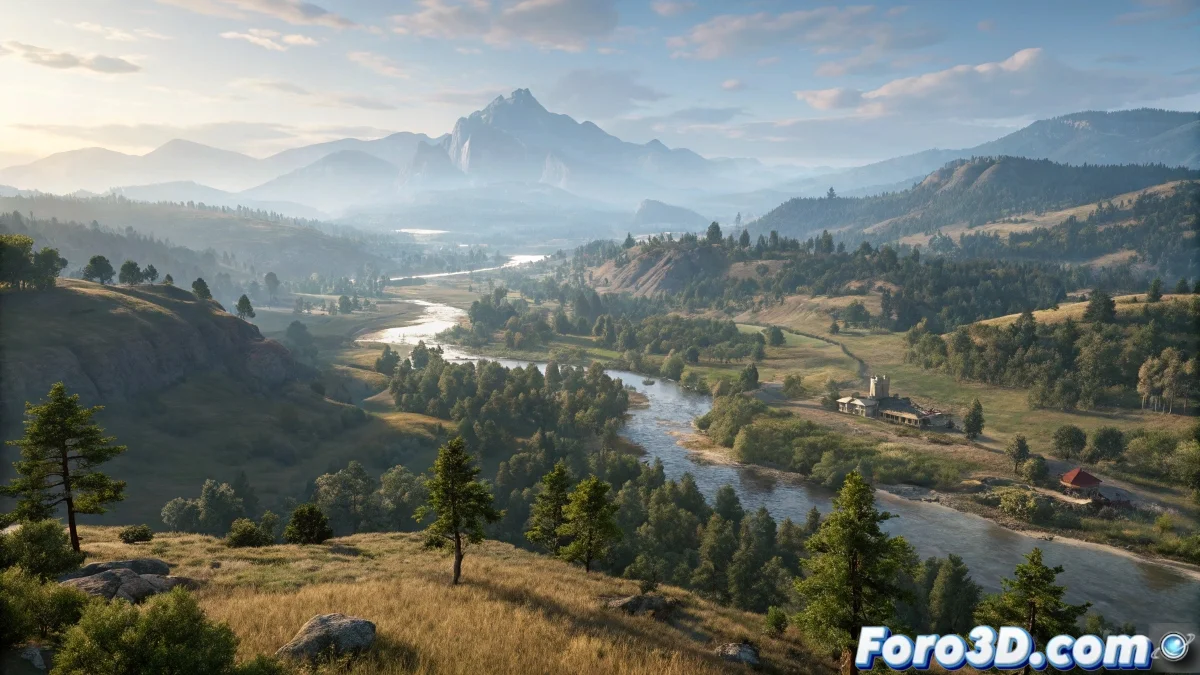
Imagine creating a world the size of a continent without having to model every stone. That's exactly what procedural generation makes possible. With a bit of magical code (and a lot of math), developers can generate unique landscapes that would make any overworked 3D artist cry with joy.
Why Everyone Loves Procedural Generation?
This technique isn't just for lazy people (although it helps a lot). It offers real benefits:
- Brutal time savings: A forest with 10,000 trees? Generated in seconds!
- Infinite replayability: Every game is a new adventure in a unique world 🌲
- Scalability: Your game can be as big as imagination (and hardware) allows
"Procedural generation is like having a team of 3D artists working 24/7 without asking for a raise" - Some tired developer
Not Everything is Rose-Colored (Procedural)
As powerful as it is, this technique has its challenges:
- Avoiding the "copy-paste effect" that makes everything predictable
- Maintaining artistic coherence (so a cactus doesn't appear in the middle of the Arctic) ❄️
- Optimizing performance: more isn't always better
Beyond Video Games
This technology is sneaking into:
- Cinematographic production (for backgrounds and sets)
- Architectural and urban planning simulations
- AI training (they need lots of varied data)
Final reflection: Soon algorithms will be able to generate worlds so detailed that we'll need algorithms to explore them... and thus we'll enter an infinite loop of procedural generation. 🌀