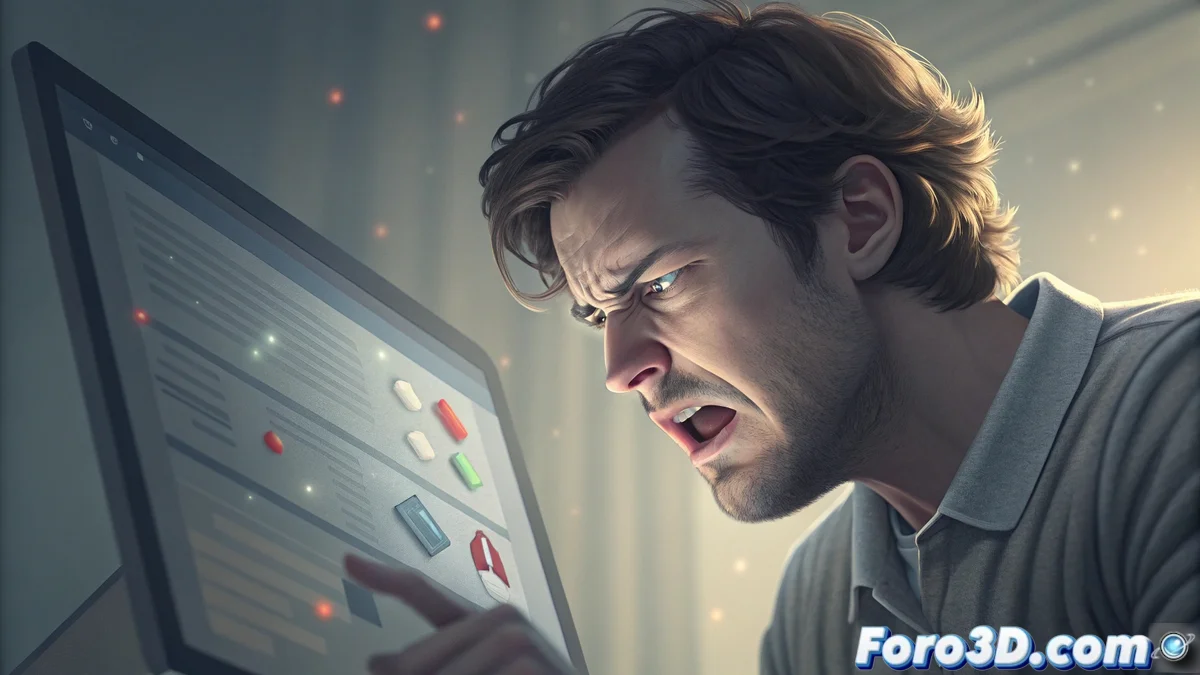
Problematic Hover Effects and Their Impact on User Experience
Poor implementation of hover effects can become a significant source of frustration for users, especially when they abruptly interrupt their reading or navigation process. These excessive animations often sacrifice basic functionality in favor of immediate visual impact, generating an unpleasant and counterproductive digital experience 🚫.
The Delicate Balance Between Interactivity and Disruption
A well-designed hover should provide subtle feedback that enriches the interaction without interfering with the core experience. Problems arise when animations incorporate exaggerated transformations, abrupt displacements, or intense parallax effects that disorient the user. The solution lies in maintaining visual and temporal coherence, ensuring that transitions are agile but not sudden, and that animated elements do not block other interactive areas of the interface.
Common Problems in Poorly Implemented Hovers:- Animations with excessive duration that slow down navigation
- Flickering effects that hinder concentration on the main content
- Transformations that hide relevant information during interaction
Designers sometimes create visually striking effects that end up making users avoid interacting with certain elements for fear of triggering annoying animations.
Consequences on Usability and Digital Accessibility
These problematic effects go beyond aesthetics to directly impact the website's usability. Users with visual sensitivity may experience physical discomfort from flickering animations or high contrast, while people with motor disabilities face obstacles interacting with elements that move unpredictably. Additionally, invasive hovers often generate performance issues on mobile devices where processing resources are more limited.
Specific Impacts on Different User Groups:- Visual discomfort for users with photosensitivity
- Interaction difficulties for people with motor limitations
- Performance issues on devices with limited resources
Final Reflections on Responsible Design
It is paradoxical how features intended to improve the experience can transform into barriers that deteriorate it. The key is to always prioritize functionality over visual effect, ensuring that each animation serves a clear purpose and genuinely improves user interaction. User-centered design requires constantly evaluating the real impact of these effects on the browsing experience 🎯.