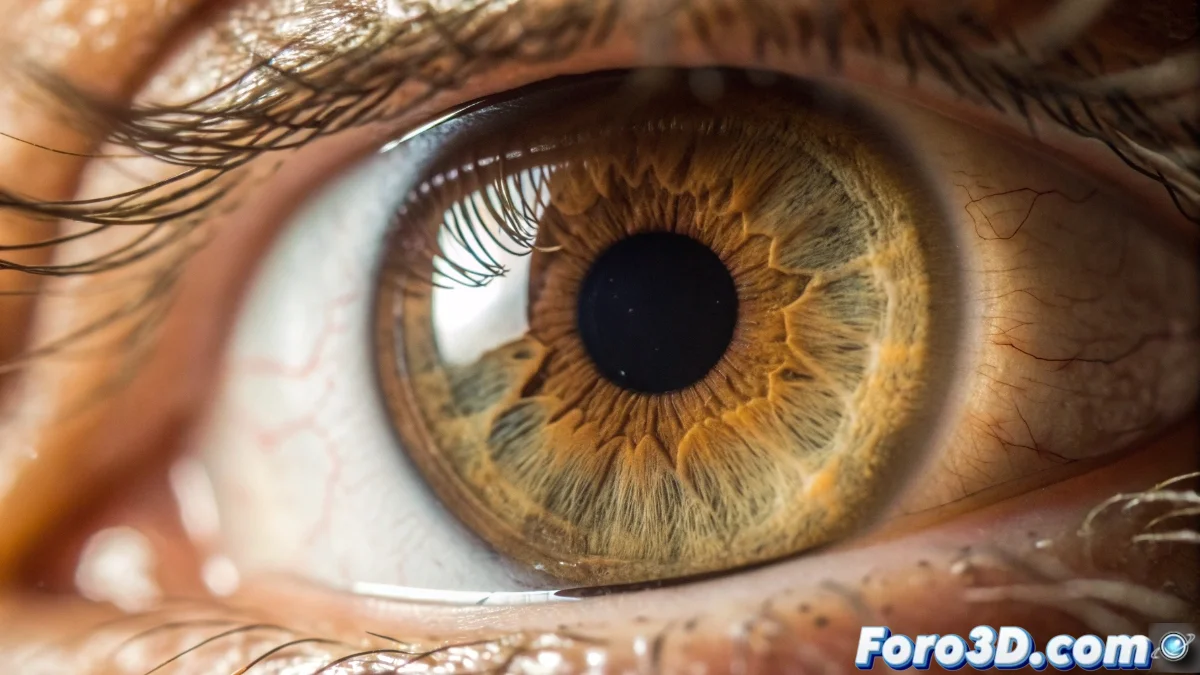
Presbyopia: the natural process of ocular aging
Presbyopia represents an inevitable physiological transformation in our visual capacity that generally manifests from the fourth decade of life onward. This phenomenon affects the vast majority of the population and constitutes a natural part of the maturation process of our ocular system 👁️.
Mechanism of visual aging
The process of visual accommodation fundamentally depends on two key components: the elasticity of the lens and the functionality of the ciliary muscle. In youthful stages, the lens maintains a gelatinous and flexible consistency that allows its constant remodeling. With advancing age, the lenticular proteins undergo structural changes that increase their rigidity, while the surrounding muscle fibers lose tone and contractile efficiency.
Key factors in the development of presbyopia:- Progressive loss of lens flexibility due to changes in its protein composition
- Decrease in the ciliary muscle's efficiency to modify lens curvature
- Gradual reduction in the ability to focus at short and intermediate distances
"It is paradoxical how after a lifetime trying to distance ourselves from problems, we reach an age where we need to hold the newspaper farther away to read it clearly"
Symptoms and therapeutic approaches
People who develop presbyopia usually exhibit specific needs such as holding texts farther away to achieve clarity, experiencing asthenopia (visual fatigue) after prolonged near activities, or presenting headaches due to sustained focusing effort. Corrective alternatives include various options according to individual needs and lifestyle.
Available treatment options:- Monofocal glasses for reading and near vision activities
- Progressive or bifocal lenses that allow vision at multiple distances
- Surgical interventions such as implantation of multifocal intraocular lenses
Perspective and daily management
Unlike other refractive defects, presbyopia cannot be prevented as it is part of the natural aging of the visual system. However, strategies such as maintaining adequate lighting during reading, taking periodic visual breaks, and adopting correct postures can significantly minimize associated discomfort. Accepting this process as a natural part of our biological evolution is essential for adapting adequately to these changes 👓.