Pluto: Naoki Urasawa's Reimagination of Astro Boy
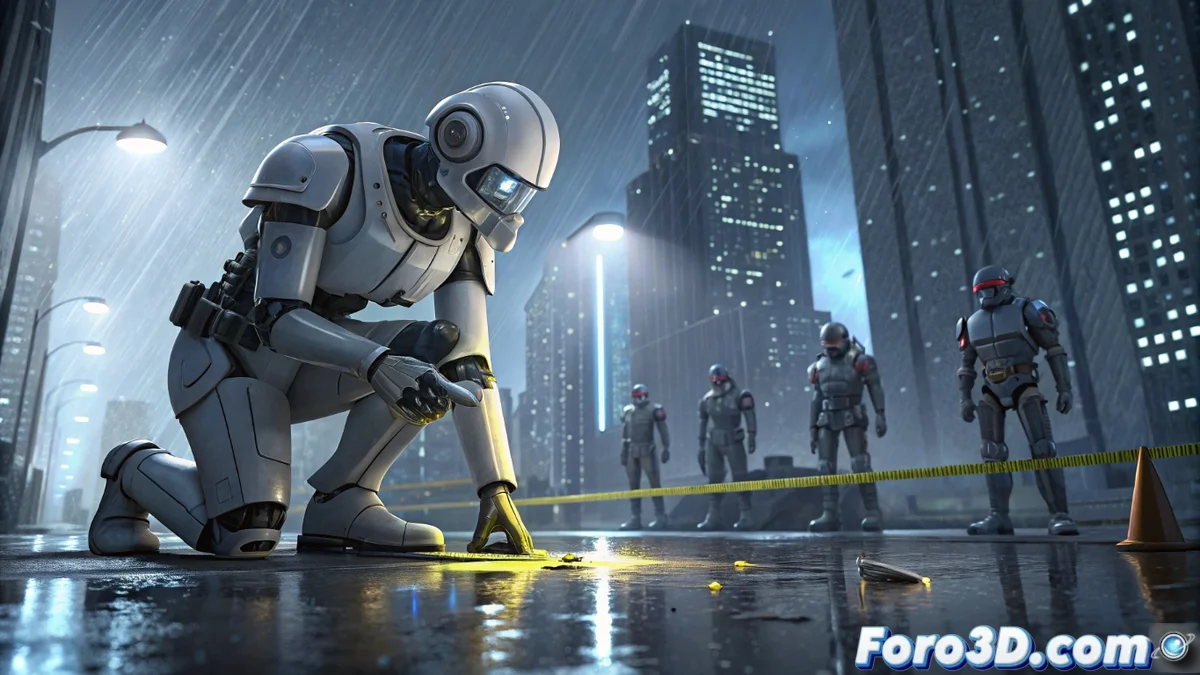
Naoki Urasawa surprises us with Pluto, a work that reinterprets the most iconic arc of Astro Boy, originally created by Osamu Tezuka. 🚀 Set in a future where humans and robots coexist in apparent harmony, the plot is triggered when a series of inexplicable murders endangers this peaceful coexistence. The robotic detective Gesicht is assigned to solve these crimes, discovering that both humans and the seven most powerful robots on the planet are targets of a ruthless killer. The narrative delves into themes such as artificial consciousness, discrimination, and the essence of humanity, maintaining a fast-paced rhythm that hooks from the start. 🤖
Urasawa's Art: Mastery in Suspense and Expressiveness
Urasawa demonstrates his skill as a benchmark of contemporary manga with exceptional artistic work. His clean and cinematic style combines with a unique ability to convey emotions through the characters' facial expressions. The panel compositions are meticulously designed to maximize narrative tension, employing angles and framing that evoke the best suspense cinema. The most notable aspect is how he infuses humanity and psychological depth into his robotic characters, making the reader identify with them even more than with the humans. 🎨
Key Aspects of the Art in Pluto:- Detailed facial expressions that convey complex emotions in robotic characters
- Panel compositions planned to generate suspense and narrative rhythm
- Use of framing and angles inspired by cinema, creating an immersive visual experience
Urasawa's ability to humanize robots challenges our perception of life and emotionality, reminding us that the human essence can reside in the unexpected.
Narrative and Tezuka's Legacy in Pluto
Pluto is not a simple adaptation, but a reimagination that respects Tezuka's original spirit while incorporating Urasawa's distinctive vision. The work preserves the philosophical and emotional essence of Astro Boy, but takes it to darker and more complex territories, suitable for an adult audience. Each volume advances Gesicht's investigation while delving into the personal stories of the involved robots, weaving a rich and moving narrative. The balance between the police thriller and existential reflections results in an experience that transcends the manga genre. 📖
Highlighted Narrative Elements:- Crime investigation that reveals ethical and social conflicts in a futuristic world
- Development of personal plots for robots, exploring their struggle for identity and acceptance
- Fusion of genres that combines mystery, drama, and science fiction for a mature audience
Final Reflection on Humanity and Technology
In Pluto, Urasawa invites us to question what truly defines a human being. Through robotic characters with deep emotions, the work suggests that humanity is not limited to biology, but to the capacity to feel and connect. This narrative not only entertains, but provokes reflection on discrimination, empathy, and the future of coexistence between species. With impeccable art and an engaging plot, Pluto stands as a milestone in modern manga, honoring Tezuka's legacy while expanding its horizons. 🌟