Pluribus by Vince Gilligan: Science Fiction and the Pursuit of Happiness
The episode Pluribus by Vince Gilligan stands as a narrative exploration where science fiction acts as a vehicle to dissect the nuances of human happiness 🚀. Gilligan deploys his characteristic argumentative precision to build a story that directly questions the essence of personal satisfaction, establishing a constant dialogue between genuine happiness and that which can be artificially induced through technological advances. This approach maintains the distinctive balance between philosophical depth and accessibility that defines the creator of Breaking Bad and Better Call Saul.
The Duality of Happiness in Gilligan's Narrative
Through the resources inherent to the science fiction genre, Gilligan constructs a scenario where characters face the dilemma between organic happiness and programmed happiness. The episode raises uncomfortable questions about how far we are willing to sacrifice emotional authenticity in exchange for guaranteed well-being, using technology as a metaphor for the shortcuts that contemporary society constantly seeks. This approach allows the screenwriter to maintain a subtle yet penetrating social critique, where the pursuit of happiness reveals itself as complex territory full of contradictions.
Key aspects of the duality:- Contrast between authentic happiness and artificially induced happiness
- Reflection on emotional sacrifices for technological comfort
- Implicit social critique of modern shortcuts to well-being
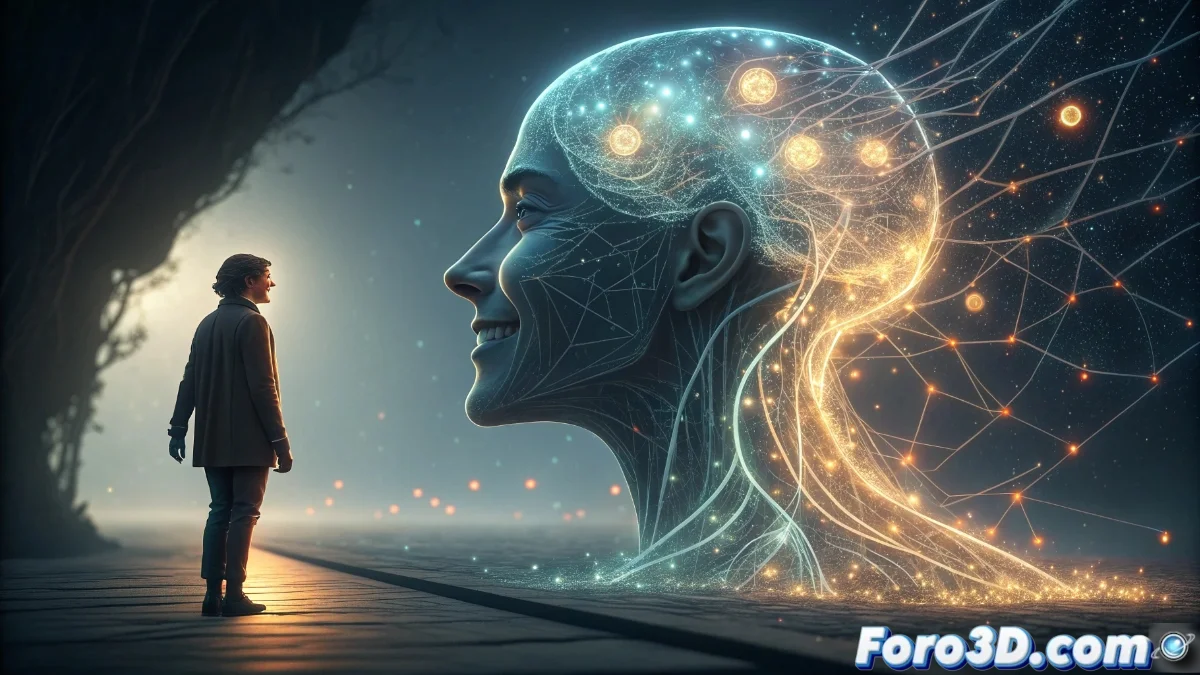
Technology is not the enemy, but the mirror that reflects our own human limitations.
Technology and the Human Condition in Pluribus
The treatment of technology in Pluribus functions as a mirror of contemporary anxieties about technological advancement and its impact on the human experience. Gilligan does not present technology as an antagonist, but as a catalyst that reveals the vulnerabilities and contradictions of its characters. This nuanced approach allows exploration of how systems designed to guarantee well-being can end up exposing human limitations, creating a narrative tension that keeps the viewer constantly questioning the ethical and emotional limits of technological intervention in the human psyche.
Highlighted technological elements:- Technology as a reflection of social anxieties
- Well-being systems that expose human fragilities
- Ethical questioning of emotional manipulation
Final Reflection on Contemporary Happiness
It is ironic that in an era with more tools to achieve happiness than ever, we need science fiction episodes to remind us that perhaps the instruction manual for being happy should come pre-installed in our biological operating system, not as a downloadable update. Gilligan invites us to reconsider whether the pursuit of happiness through technology really brings us closer to a fulfilling life or simply masks our fundamental insecurities.