Plug-in devices that promise to save energy are a scam
Small devices are circulating in the market that connect directly to any outlet and claim to miraculously reduce what you pay for electricity. They are promoted with catchy names like current stabilizers or consumption optimizers, even guaranteeing unreal savings of up to half the bill. The reality is that their operation lacks scientific basis and has no impact on the energy your home uses. Their design is a deception to take advantage of the consumer. ⚡
Debunking the myth of plug-in savings
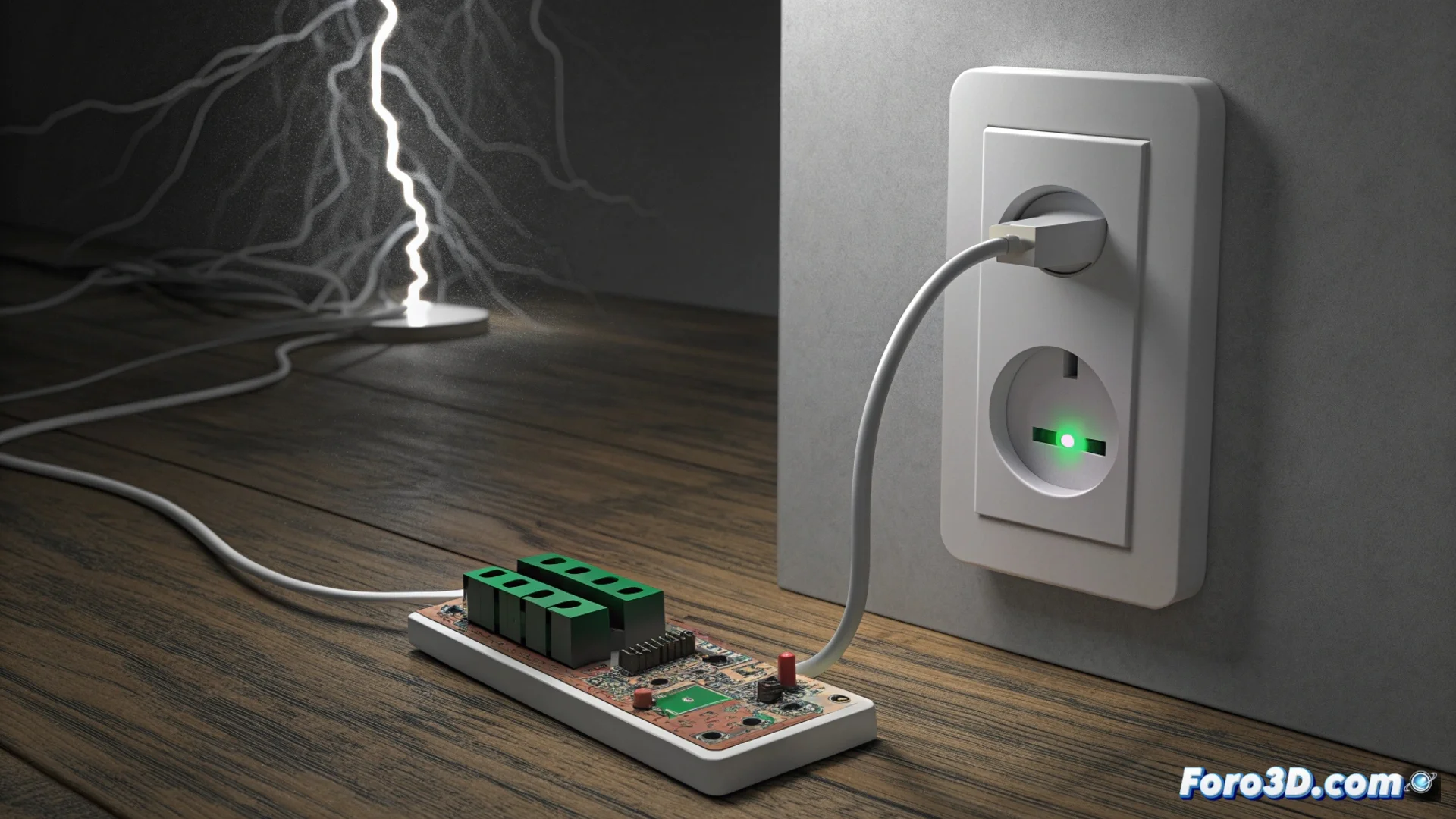
When you analyze the interior of these supposed energy savers, you discover minimal and very low-cost electronics. They normally include only a capacitor, a resistor, and an LED diode that lights up to give the false impression that it is operating. This simple circuit is incapable of interacting with a home's electrical grid to change how much you consume. It does not filter harmonics, does not correct the power factor in a practical way in a home installation, and, most importantly, does not reduce the kilowatt-hours measured by the meter. Its only function is to look like an advanced technological gadget.
Components that reveal the fraud:- Basic capacitor and resistor: Common and cheap electronic parts that cannot manage a home's power.
- Indicator LED: Only lights up to simulate activity, without fulfilling any real savings function.
- Deceptive casing: Designed to appear as a complex device, hiding its useless empty interior.
If it were that easy to save electricity with a plugged-in device, electricity companies would give them away to sell you more power.
Real dangers beyond the money lost
Acquiring one of these products not only means throwing away your money, but it can also introduce a dangerous element into your home. Manufactured with extremely low-quality materials and without following electrical safety standards, they can overheat and cause a short circuit or, in extreme situations, start a fire. Additionally, the user who installs it mistakenly believes they are saving energy, which can lead them to neglect effective consumption practices, such as unplugging devices on standby or improving door and window insulation.
Consequences of using these devices:- Fire risk: Low-quality components can overheat and cause a fire.
- False sense of security: The user neglects real saving habits by trusting the device.
- Direct economic loss: Money paid for a product that does not deliver the promised benefit.
Physics doesn't lie to wishes
The next time you come across an ad for a magical wall-plug artifact, remember that the principles of electricity are clear. A small, cheap device cannot alter the consumption measured by a certified meter. To truly manage and reduce your energy spending, you must focus on verified measures: using efficient appliances, controlling heating and cooling, and turning off what you don't use. Distrust miracle solutions and protect both your wallet and your safety. 🛡️