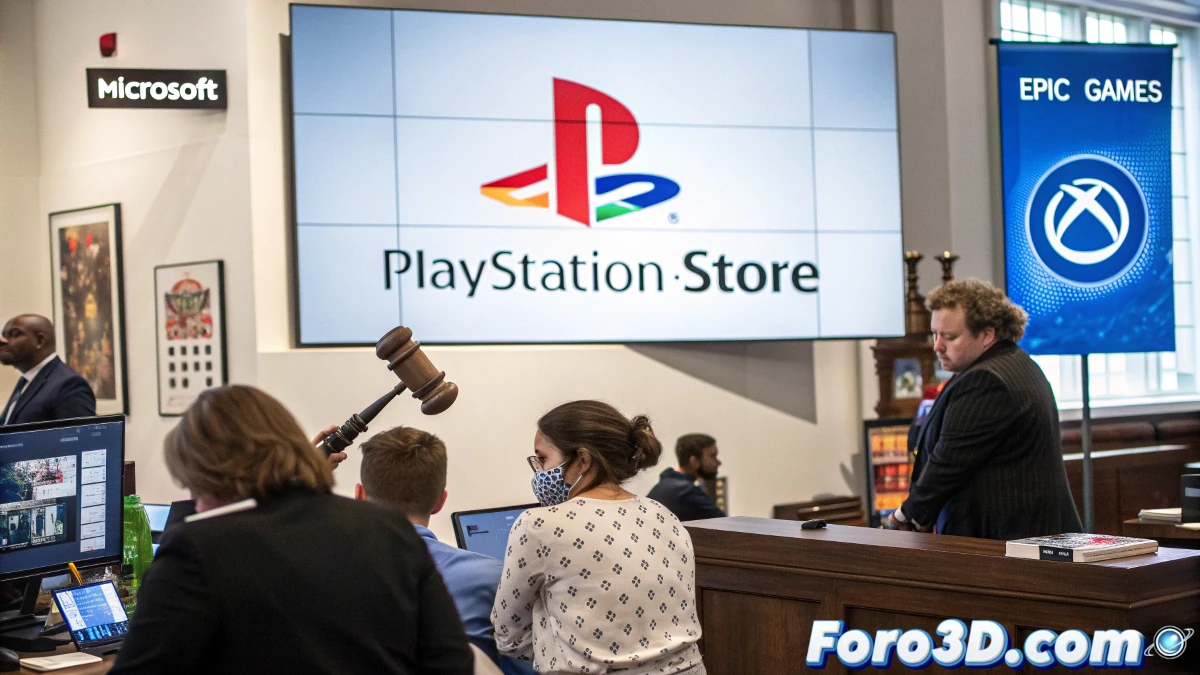
The video game market has undergone a significant transformation in recent years, with an increase in the purchase of games in digital format. However, this trend has sparked a debate about price fixing and the lack of competition on certain platforms. Recently, PlayStation has been singled out for imposing high costs in its digital store, raising concerns among consumers and user protection organizations.
A Business Model Without Direct Competition
One of the main criticisms of PlayStation's digital store is that, due to the lack of real competition within its ecosystem, players have no alternatives to buy games at more accessible prices. In the past, physical titles allowed price comparisons among different distributors, but in the digital era, options are considerably reduced.
The Effect on Consumers
The lack of alternatives creates an environment in which users must accept the fees imposed by the platform. Some of the most evident effects of this situation include:
- Higher prices compared to other digital distribution platforms.
- Less flexibility to find offers or discounts outside the PlayStation ecosystem.
- Restrictions on competition, which limits the possibility of natural market regulation.
Reactions and Responses in the Industry
While other companies allow the distribution of their games on multiple digital platforms, PlayStation has maintained a more closed system. This policy has been criticized for affecting both players and developers, who are forced to sell their products under the platform's conditions.
Comparison with Other Services
There are platforms that have bet on more flexible and competitive models, offering more accessible prices and allowing users to choose where to acquire their games. Some key differences between PlayStation and other digital stores include:
- Open platforms like Steam and Epic Games allow developers to adjust their prices freely.
- Hardware competition: on other consoles, digital games can be purchased from various online stores.
- More promotions and discounts on platforms that allow the distribution of activation codes.
"The future of digital video game distribution will depend on finding a balance between accessibility, competition, and sustainability for the industry."
Towards a Change in the Distribution Model?
As digital purchases continue to increase, regulations on competition in the sector could become stricter. Players and consumer protection organizations have begun to question the lack of options and the need for a fairer market for all users.
Possible Solutions
- Greater transparency in price fixing so that players better understand game costs.
- Allow alternative distributors within the platform's digital ecosystem.
- Incentivize promotions and discounts that are more accessible and frequent for the gaming community.
Conclusion: The Future of Digital Stores
The debate over prices in PlayStation's digital store reflects a broader problem within the video game industry. With the transition to digital format, it is essential to find ways to balance access to games with fair prices. Competition and regulation will be key to defining how this model evolves in the future.