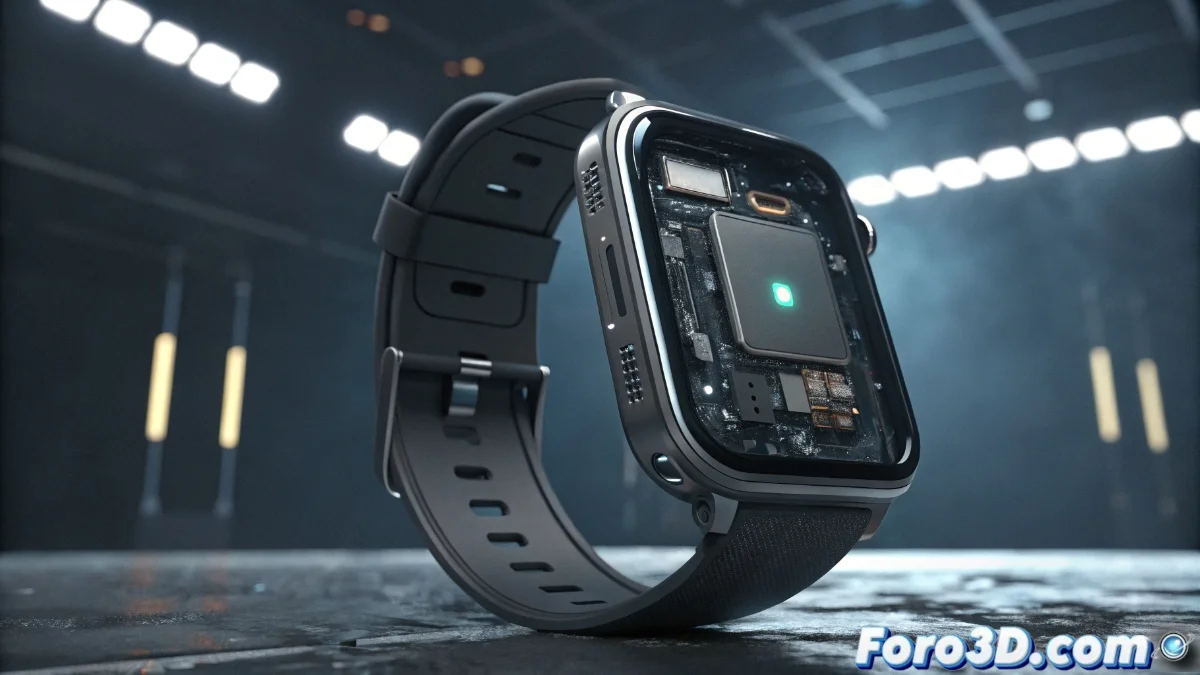
Planned Obsolescence in Smartwatches Due to Non-Replaceable Batteries
The most popular smartwatches, such as Apple, Samsung, and Fitbit models, face a critical challenge with their integrated lithium batteries, which do not allow user replacement. This limitation leads to accelerated degradation after hundreds of charge cycles, seriously affecting the daily experience and device durability. ⌚️
Durability Issues in Integrated Batteries
The lithium batteries in these devices typically experience noticeable wear after approximately 300 to 500 charge cycles, resulting in reduced autonomy and declining performance. Factors such as the compact battery size, the implementation of fast charging technologies, and the impossibility of simple replacement accelerate this process, limiting the practical life of the watch to just 2 or 3 years in most cases. 🔋
Aspects that worsen the situation:- Sealed design that prevents battery access without specialized tools
- Intensive use of features that demand more energy and frequent charge cycles
- Lack of standardization in components, making independent repairs difficult
In the pursuit of an elegant and slim design, the ability to maintain the device long-term is often sacrificed, leaving users trapped in a constant replacement cycle.
Manufacturers' Efforts and Their Limitations
In response to these criticisms, manufacturers have implemented measures to mitigate the problem, such as optimizing processor energy efficiency and adjusting charging systems to slow degradation. Additionally, they offer authorized replacement services, which theoretically allow extending the device's life. However, these solutions are partial and insufficient, as users depend on expensive repairs and do not have the option to perform the change themselves. 💡
Persistent Barriers in Current Solutions:- High repair costs at authorized centers, often approaching the price of a new device
- Lack of availability of original spare parts for users and independent workshops
- Incompatibility of modular designs that facilitate preventive maintenance
Environmental Impact and User Experience
The non-replaceable nature of the batteries not only affects consumer economics but also significantly contributes to the growing problem of electronic waste. Many smartwatches are prematurely discarded, generating a negative environmental impact. Although the industry has achieved advances in efficiency, the absence of a circular and modular design approach perpetuates an obsolescence cycle that could be avoided with more sustainable practices. 🌍